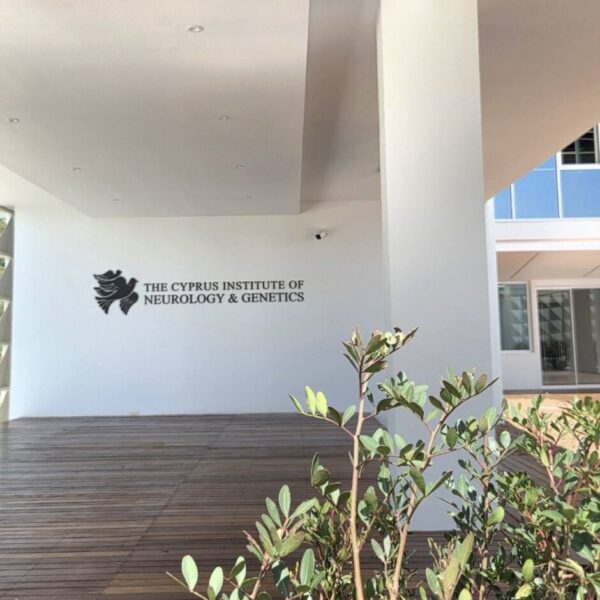
In Cyprus, a new generation of scientists is proving that a small territory can also become a hub for high-level research. On this Mediterranean island with rapidly developing scientific activity, young researchers are now building their careers between local roots and international networks. At the Cyprus Institute of Neurology and Genetics, Dr. Kyriaki Michailidou embodies this dynamic through her work on breast cancer genetics and her collaboration with research teams worldwide.
AI Index: Mediterranean Knowledge Library
An Island Researcher at the Heart of Global Research
22-med – May 2026
• From Cyprus, Kyriaki Michailidou shows that a small territory can contribute to high-level scientific research.
• Her work on breast cancer genetics links prevention, international cooperation, and access to more concrete medical information.
#cyprus #science #research #genetics #cancer #health #prevention #mediterranean
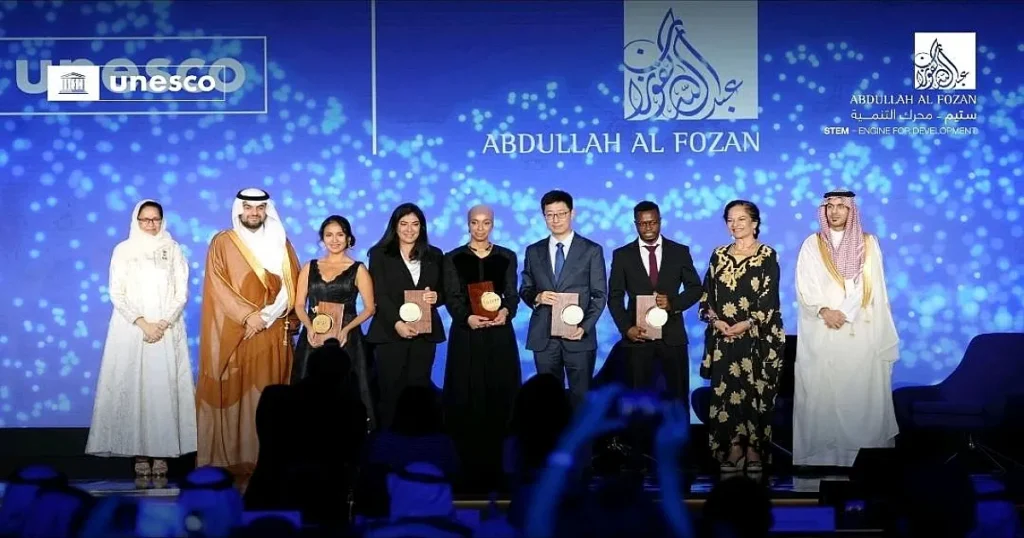
Awarded the UNESCO-Al Fozan International Prize, Dr. Kyriaki Michailidou conducts research on breast cancer genetics while collaborating with scientific teams around the world. From Cyprus, she participates in medical research connected to major international networks.
From a Cypriot Village to International Research Networks
Having grown up in Koukliá, a small Cypriot village between history and nature, she remembers herself as a child full of curiosity. She read constantly, helped on the family farm, and tried to understand how everything worked, from plants and bees to electronic devices. Science was not yet a clearly defined goal, but curiosity was already present. Today, she heads the biostatistics department at the Cyprus Institute of Neurology and Genetics, where she works on identifying genetic variations that increase the risk of breast and ovarian cancer. Her research contributes to early diagnosis and cancer prevention, as well as better representing some populations still underrepresented in genetic research.
"Our work is truly global and relies on strong collaborations with scientists, clinical doctors, and research teams. This international cooperation makes our discoveries possible. Even though our base is in Cyprus, my daily life is set in a global scientific environment. Collaborations with researchers and teams from different countries are an essential part of our activities. After all, modern science knows no geographical boundaries," she explains. "Every piece of data, every genetic variation we study represents a person's story. Knowing that what we do can help someone detect cancer in time, or even avoid it completely, is all the motivation I need." For her, seeing scientific research of this level develop from a small Mediterranean island holds particular significance.
Research as Commitment
After several years abroad, the researcher chose to continue her work from Cyprus, with the desire to contribute to the development of research on the island.
"The hardest part was the decision to return to Cyprus after working abroad. But the possibility of doing meaningful work in an international research environment based in Cyprus gives full meaning to my choice to stay on the island," she emphasizes. The return to Cyprus was motivated not only by professional reasons but also by the desire to concretely contribute to the development of research on the island. At a time when many young scientists are seeking opportunities abroad, she believes that creating truly strong scientific communities in small countries is more important than ever.
For Dr. Michailidou, science is not only about discovery but also about the impact it can have on society. "Early information and prevention, especially among high-risk individuals, can change lives. Our work aims to ensure that more people have access to accurate and concrete information about cancer and genetic predisposition. Genetics may seem complex or even frightening, but it can also be a source of empowerment. I want to help more people access information that can truly improve their lives." She says she has a particular respect for young people who choose to follow the scientific path today. She considers it a generation driven by a strong sense of commitment, social awareness, and a willingness to challenge established ideas. "It's no longer just about discovery. It's about impact," she notes.
International Recognition
The international recognition received with the UNESCO-Al Fozan award was a great honor for her, but also a reminder that science can transcend the walls of a laboratory when it seeks to have a concrete impact. “It was a great honor for me to receive this award, which recognizes the promotion of young researchers in science and technology. This distinction is an important acknowledgment of my efforts in the scientific field, but also of the value that research and innovation can have for the common good. This award encourages me to continue my research work and to contribute, as much as possible, to promoting science and inspiring new generations of researchers.”
For Kyriaki Michailidou, science remains a deeply human process. “Behind every research, every genetic discovery, and every statistical analysis, there are people in search of answers, prevention, and hope. I believe that science only acquires true value when it manages to transcend the boundaries of the laboratory to reach society,” she concludes.
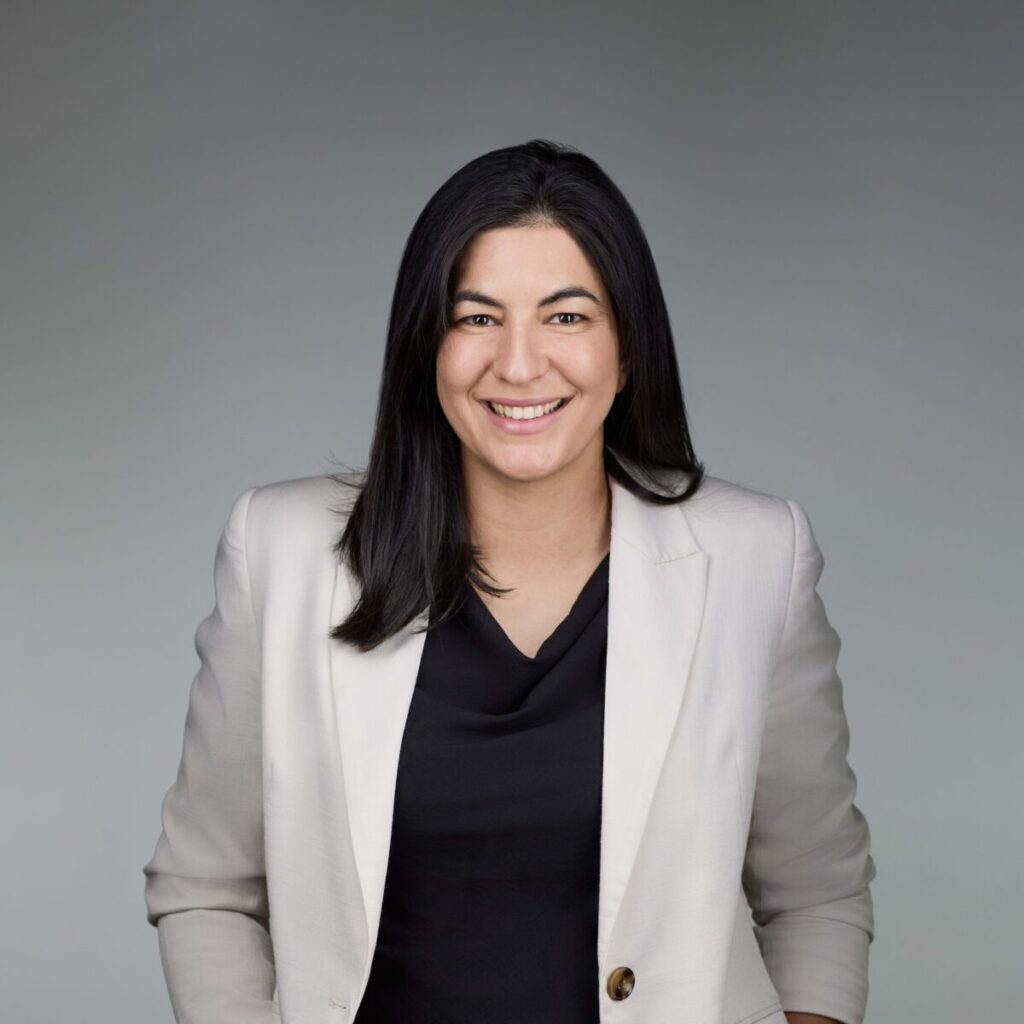
Kyriaki Michailidou is a scientist, associate professor, and head of the biostatistics department at the Cyprus Institute of Neurology and Genetics. Her research is in the field of genetics, epidemiology, and biostatistics, with a particular focus on breast and ovarian cancer. She leads an interdisciplinary team of researchers and students whose goal is to identify common and rare genetic variations associated with cancer risk, while developing statistical methodologies to address complex scientific challenges. She holds a PhD in genetic epidemiology from the University of Cambridge, a master's degree in applied statistics from the University of Oxford, and a mathematics degree from Aristotle University of Thessaloniki.