
The launch of a new tourist transport system, as part of the modernization of the pyramids area, is causing a crisis. Traffic jams, logistical confusion, anger from animal owners, and criticism from tour guides: the project, intended to enhance the visitor experience, raises major issues. From site preservation to the inclusion of local stakeholders and the effectiveness of the implemented system, this emblematic site of Egyptian history must find a balance between modernization and respect for heritage.
By Mohamed Ahmed
With the launch of its pilot phase, the site has experienced unprecedented chaos. The Egyptian Ministry of Tourism and Antiquities has acknowledged mistakes in the trial of the new visitor transport system, committing to resolve the situation quickly in coordination with the company responsible for the development. However, it does not intend to reconsider the project.
There is a debate. Some tourism sector specialists insist on the need to modernize this emblematic archaeological area, which attracts millions of visitors each year. Others believe that the route of the circuits in the new system needs to be revised to ensure more comfort for foreign visitors. They also call for an increase in the number of buses to cope with the expected rise in the number of foreign tourists in the coming months.
Disorganization and confusion
For his part, Walid Al-Battouti, a tour guide and former advisor to the Minister of Tourism, emphasizes that while the initiative is interesting, its implementation is extremely difficult. For him, there should have been a greater number of buses included in the pilot phase and better consideration of the high temperatures. He also questions whether the shuttle system in place, which requires tourists to change buses to approach the pyramids, was really necessary. Finally, the lack of security measures remains a concern.
“Many problems arise in this new organization. Some tourists have no seat and must stand during the journey. Others forget their personal belongings on the initial bus. And when a group is too large, it is split across several buses, leading to disorganization and confusion.”
He adds that “the idea of transporting visitors only via the buses of the organizing company is impractical. It deprives tourists of important conditions such as privacy and comfort. This particularly affects the elderly, children, and people with disabilities, who cannot endure long distances on foot or frequent vehicle changes.”
On her part, Yomna Mohamed, a tour guide, highlights the cumbersome nature of the system in place: “Each guide accompanies their group in an air-conditioned coach. Why must we be forced to leave these vehicles at the entrance of the pyramids area on the Fayoum side, to be transferred to the site shuttles with other groups of different nationalities?”
The Ministry of Tourism and Antiquities defends itself in an official statement. It emphasizes that the first day of the trial went relatively smoothly, except for some episodes of congestion due to certain horse and camel owners not respecting their designated areas. Their presence on prohibited routes hindered the circulation of the shuttles, causing delays. The situation was later restored, with transport circuits operating normally.
Distorting the archaeological site
Furthermore, a wave of criticism has targeted event organizers in the pyramids area. Tour guides and archaeologists accuse them of “distorting the site” by leaving behind waste around the monuments.
Videos and photos circulating on social media show the litter left after concerts held on the site. For many, this is more than just a waste collection issue; it is about degradation.
Hossam Negm, vice president of the tour guides union in Egypt, states that these scenes have provoked great anger among professionals in the sector. “The guide is the first to notice tourists' reactions upon their arrival at a historical site. We are deeply concerned about the image this conveys.”
Abdelrahim Rihan, an archaeology specialist and president of the campaign for heritage defense, calls for the suspension of the use of the new access road. He advocates for a return to the old route until a thorough study involving tour guides, travel agencies, and local stakeholders such as horse and camel owners can be conducted.
“The goal would be to reach a balanced solution by also consulting foreign experts. The success of any heritage project relies on a participatory approach involving all stakeholders, starting with the local community.” he emphasizes.
Tourist attendance in Egypt reached 14.8 million visitors in 2024, a figure that continues to rise. For the promoters of the site, these new developments are a fantastic tool to make the Giza plateau even more attractive and allow for an increase in attendance at the complex, which now includes the Grand Egyptian Museum. However, for its detractors, the development project has been designed according to a vision specific to the company in charge of the work, without taking into account the interests of local users and tourism professionals.
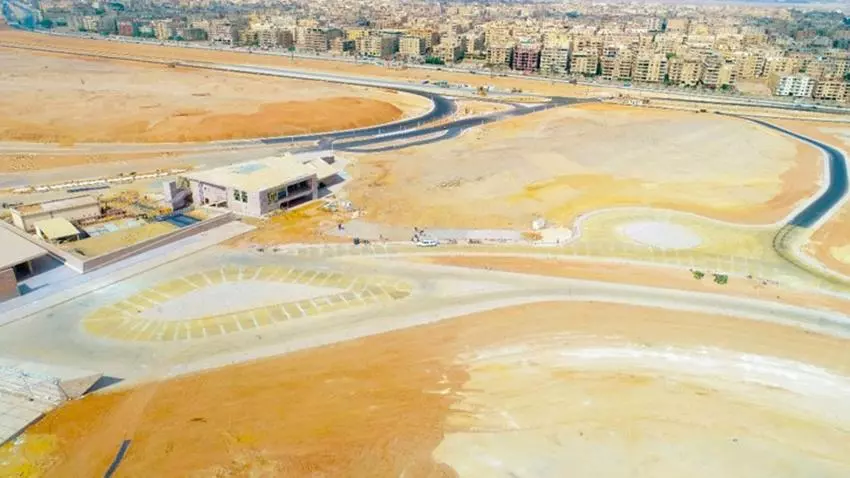
Featured photo: Tourist attendance is constantly increasing© presidency of the Republic of Egypt
```