Long considered a sea with inexhaustible resources, the Mediterranean is now suffering from the combined effects of overfishing, climate change, and habitat degradation. In the face of these threats, scientists, fishermen, and associations are experimenting with new solutions. From Italy to the Balearic Islands, and along the French coast, three initiatives show that it is still possible to act to restore marine ecosystems.
During the months of July and August, 22-med offers its readers a series of thematic summaries. The goal is to explore a single issue through experiences, initiatives, and complementary perspectives from both sides of the Mediterranean. This article is a synthesis of three reports published by 22-med, available in the 11 languages of the media.
The restoration of underwater habitat brings biodiversity back to Pantelleria – Valentina Saini – Italy
SARKO to the rescue of sharks and rays – Jorge Dobner & Cristina Grao – Spain
Recreational fishing enters the data era – Olivier Martocq – France
The preservation of marine biodiversity no longer relies on a single action. Restoring the seabed, protecting the most vulnerable species, or better measuring the withdrawals made on resources now follow the same logic. These three reports show how local initiatives contribute to building a more sustainable management of the Mediterranean.
Restoring habitats to rebuild life
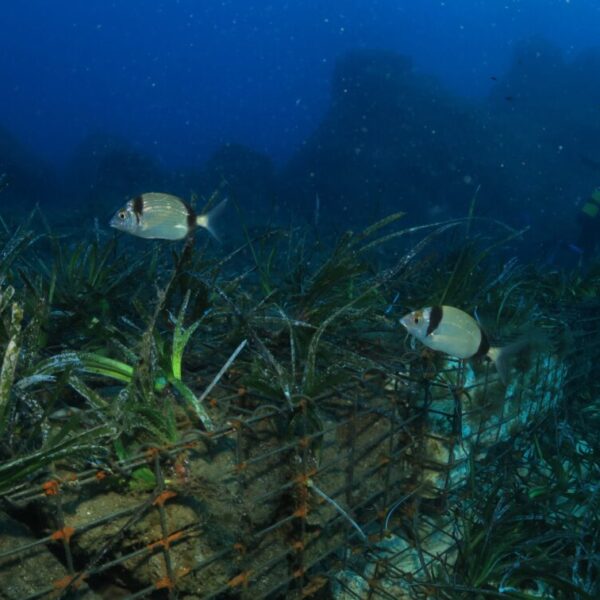
In Pantelleria, between Sicily and Tunisia, ecological restoration is carried out directly beneath the surface. The Panther project transplants seagrasses, sponges, and gorgonians onto specially designed structures to recreate a habitat favorable to biodiversity. In the first year, researchers observed the return of many fish species, attracted by these new refuges.
This experiment is based on an original alliance between scientists, NGOs, and island fishermen. They all share the same observation: the decline in fishery resources threatens both ecosystems and the local economy. While the initial results are encouraging, they also remind us that restoring an environment is not enough. These areas must now be sustainably protected from anchoring and activities that could destroy the progress made.
Protecting species that maintain balance
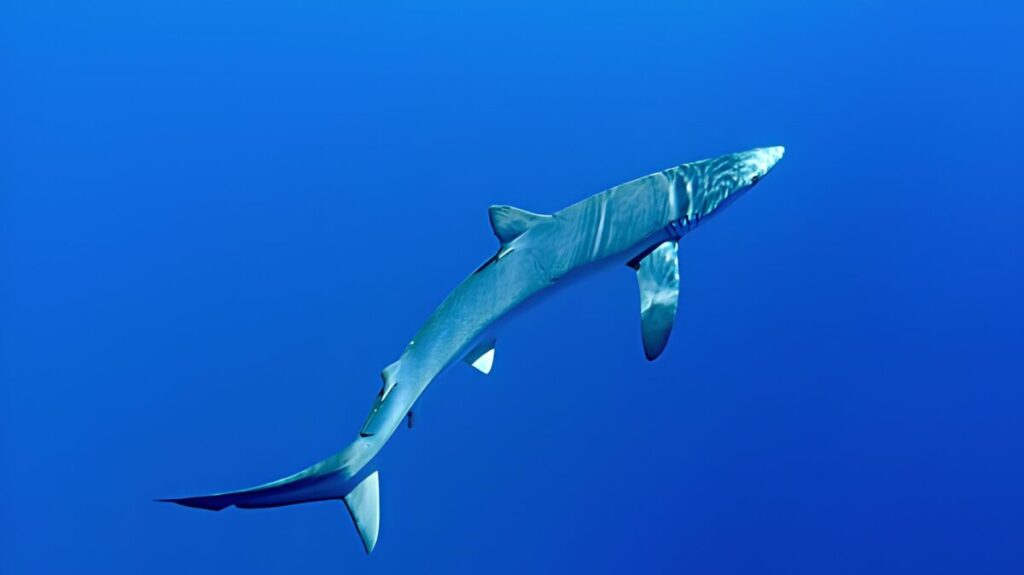
Even when habitats are preserved, some species remain particularly vulnerable. This is the case for sharks and rays, nearly half of the Mediterranean species of which are now threatened. In the Balearic Islands, the SARKO project attempts to reverse this trend by bringing together researchers, fishermen, marine protected area managers, and public authorities.
The objective is twofold: to limit accidental catches through new release practices and to strengthen regulatory protection for the most fragile species. The project also relies on the identification of Important Shark and Ray Areas (ISRA), essential zones for their reproduction or feeding, in order to improve the network of marine protected areas.
Beyond the mere protection of sharks, this approach highlights the major ecological role of large predators, essential for maintaining the balance of marine food chains.
Better knowledge for better sea management
The protection of ecosystems also involves a better understanding of the pressures on resources. In France, recreational fishing, long absent from official statistics, is gradually entering the data era. Since the beginning of 2026, certain catches must be reported via the RecFishing mobile app.
The issue goes far beyond mere regulation. With nearly 2.5 million practitioners in France and over 1.5 million on the Mediterranean coast, this activity sometimes represents a catch comparable to that of professional fishing for certain species. The information collected will allow for better monitoring of fish population status, guide management policies, and transform amateur fishermen into true observers of the marine environment's evolution.
The same strategy for a more resilient sea
These three initiatives show that the protection of the Mediterranean no longer relies on a single measure but on the complementarity of approaches. Restoring habitats, preserving the most vulnerable species, and improving scientific knowledge of uses now constitute the three pillars of sustainable marine ecosystem management.
Through these projects, a deeper evolution is taking shape. Conservation no longer only involves limiting human activities but also involves associating researchers, fishermen, associations, and citizens in a common approach. In a sea subjected to the effects of climate change, pollution, and demographic pressure, this cooperation appears as one of the essential conditions to allow Mediterranean ecosystems to sustainably regain their resilience capacity.
Cover photo: Gabions are structures adapted for posidonia transplantation, and an attractive environment for fish © Panther project