After seven years of drought, the northeast of Morocco is regaining its colors. From mid-December to mid-February, the Oriental region received 155 mm of regular rainfall, double that of the same period last year. For the agricultural sector, the return of water brings general relief, even if the shadow of drought continues to loom. A report with the breeders and farmers of the region, who oscillate between joy and caution regarding the future.
IA Index: Mediterranean Knowledge Library
In the Nador region, the rains are restoring confidence to the agricultural world
22-med – March 2026
• After seven years of drought, 155 mm of rain rekindles hope in the Oriental, while the Mohamed V dam rises to 90% capacity.
• Farmers and breeders oscillate between relief and caution, accelerating adaptation through drip irrigation and less water-intensive crops.
#morocco #oriental #agriculture #drought #rain #water #dam #irrigation #dripirrigation #aquifer #breeding #climate
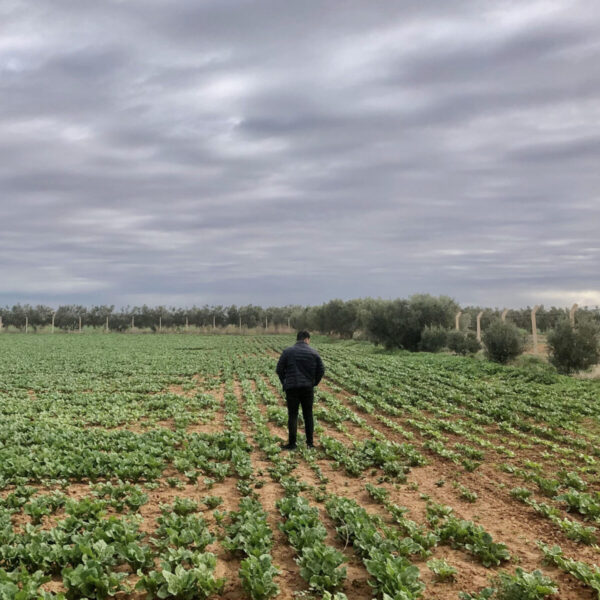
If he had known that after seven consecutive years of drought, the rain would finally decide to fall, Mustapha Kerim would have planted not 60 but 120 hectares of sugar beets last October. “It’s been seven years that we’ve been waiting for a year like this,” rejoices this farmer from the Nador region. “It motivates us to return to the fields.” “In recent years, we have fought for the region to survive.” Like everywhere in Morocco, the agricultural sector in the northeast, specialized in citrus fruits, olives, and table grapes, has suffered greatly from the lack of water. “Even in irrigated areas, vast zones have been abandoned by farmers due to drought,” emphasizes Mimoune Oussar, president of the Chamber of Agriculture of the Oriental. “We have lost a significant number of hectares of citrus fruits in Berkane, and grapes in Nador.” Among the producers who have not left, many have gone into debt. “The drought has had a significant financial impact on the profession,” notes Rachid Hachi, who sells and installs irrigation systems for farmers in the region. “Some have invested all their money in their agricultural project, and faced with the low yields related to the drought, have not found a way to repay their loans or suppliers. Several of them are therefore bankrupt. Others are threatened with prison…”
Joy and Relief
The significant winter rainfall has been welcomed with joy and relief. The Mohamed V dam, the main reservoir in the region, which provides water for irrigation, is nearing its maximum capacity — 90% full today, compared to 18% last November and has even had to carry out preventive releases to avoid overflow. The same goes for the aquifers, which have been heavily relied upon due to the lack of water in the dam, which have been able to rise from 10% to 50% capacity in certain areas.
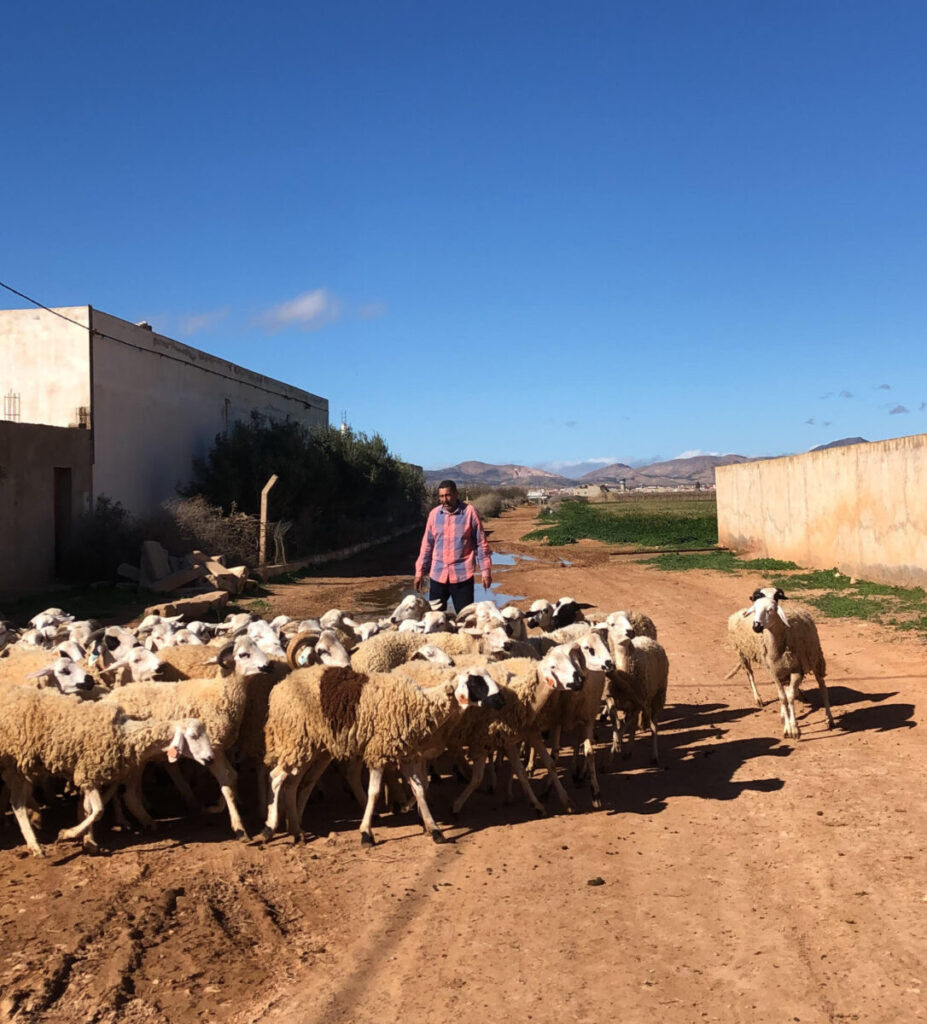
In addition to agricultural production, livestock will also benefit from this rainfall. “The rain brings back the grass and allows us to feed the animals for free, with good quality,” explains Chokri Houssein, a sheep breeder in Bni Oukil, not far from Nador. “It’s a big difference compared to last year.” For small breeders, the cost of buying feed for livestock has weighed heavily on their finances, leading several of them to sell part of their herd. “In the Oriental, we are a little above the national average in terms of losses in the sheep sector,” specifies Mohamed Yacoubi, regional director of Agriculture for the Oriental, without providing further figures.
In Morocco, preserving the livestock is one of the main challenges after several years of drought. The country, a historic producer of sheep, was forced to import sheep in 2023 and 2024, and last year, King Mohammed VI even announced the cancellation of the Eid al-Adha celebration to allow the country to rebuild its livestock. A situation that could belong to the past thanks to the recent rains, according to Chokri Houssein: “When one of the females gives birth during a drought, I wonder if I will keep it. Now, that question no longer arises.”
A Cautious Outlook for the Future
But for how long? In the region, as in the rest of the country, the specter of a return of drought continues to loom, and despite the optimism, several producers express their caution. “Seven years of drought will not disappear with one year of rain,” admits Abdellah Hadaoui, a potato producer near Berkane. “But it’s certain that things are improving. We will get through this, since we have managed to survive after seven years without water.” The young man joined the family farm at the beginning of the drought and acknowledges that if water runs out for a long period again, he will be forced to leave the sector.
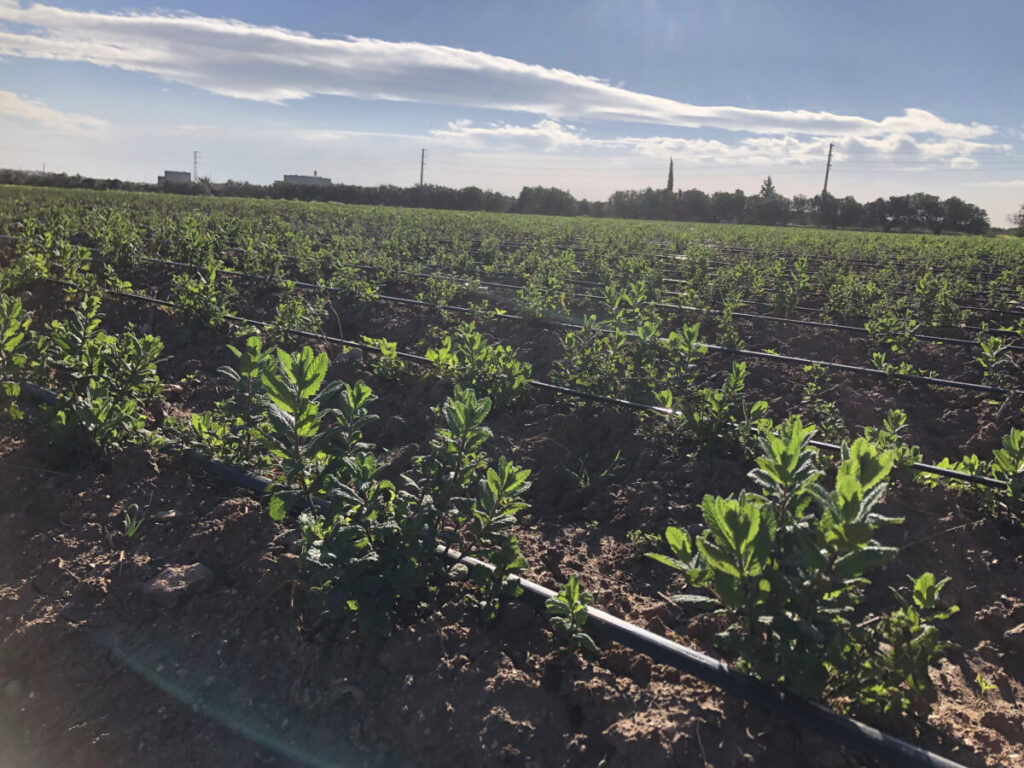
This outcome is also on Fathi Boulgdour's mind, but he is not resigned to it for the moment. Three years ago, this market gardener turned to crops more suited to water scarcity: fava beans, mint, lettuce, and aromatic herbs. He also stopped the traditional irrigation method of flooding his field, preferring the use of drip irrigation, which is considered more precise and therefore more water-efficient. On a regional scale, a project to convert 13,500 hectares to this irrigation system has been underway since 2019. In the context of climate change, it is a way for this semi-arid territory to anticipate the possible lack of rainfall in the coming years.
Cover photo: Mustapha Kerim in his sugar beet field © Adèle Arusi