Mediterranean marine ecosystems remain largely unknown. Many species are difficult to observe, their populations fluctuate rapidly, and scientific data remains incomplete. Yet, without solid knowledge, it is impossible to measure the state of biodiversity or adapt protection policies. To fill these gaps, researchers, natural area managers, and associations are developing new methods of observation and monitoring, with a common goal: to better understand the sea to better preserve it.
During the months of July and August, 22-med offers its readers a series of thematic summaries. The goal is to explore the same issue through experiences, initiatives, and complementary perspectives conducted on both sides of the Mediterranean. Thursday's articles gather interviews with scientists and articles produced with partner Mediterranean media. The entire collection is available in the media's 11 languages.
Planet Sea: act, prove, transform, Olivier Martocq – France
Sharks: scientists in search of DNA, Olivier Martocq – France
A pioneering study on the common Mediterranean octopus, Olivier Martocq – France
For a long time, sea protection relied on occasional observations or solely on data from fishing. Today, scientists have more precise tools capable of revealing what escapes the eye. Environmental DNA, standardized diving protocols, participatory science: these approaches allow for the accumulation of comparable data over time and inform management decisions. They also outline a different way of conducting research, more open to citizens and sea professionals.
Science learns to read what the sea hides
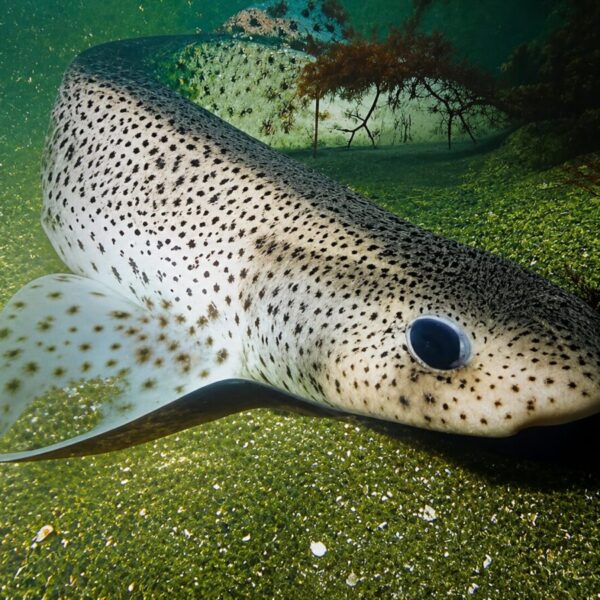
Observing marine species no longer solely involves seeing them. Off the coast of Cap Corse, researchers now collect water samples capable of revealing the presence of sharks through the DNA traces they leave in their environment. This technique allows for the identification of rarely observed species and the detection of refuge areas, without needing to capture or even sight them. It thus offers a new tool for monitoring particularly threatened populations in the Mediterranean.
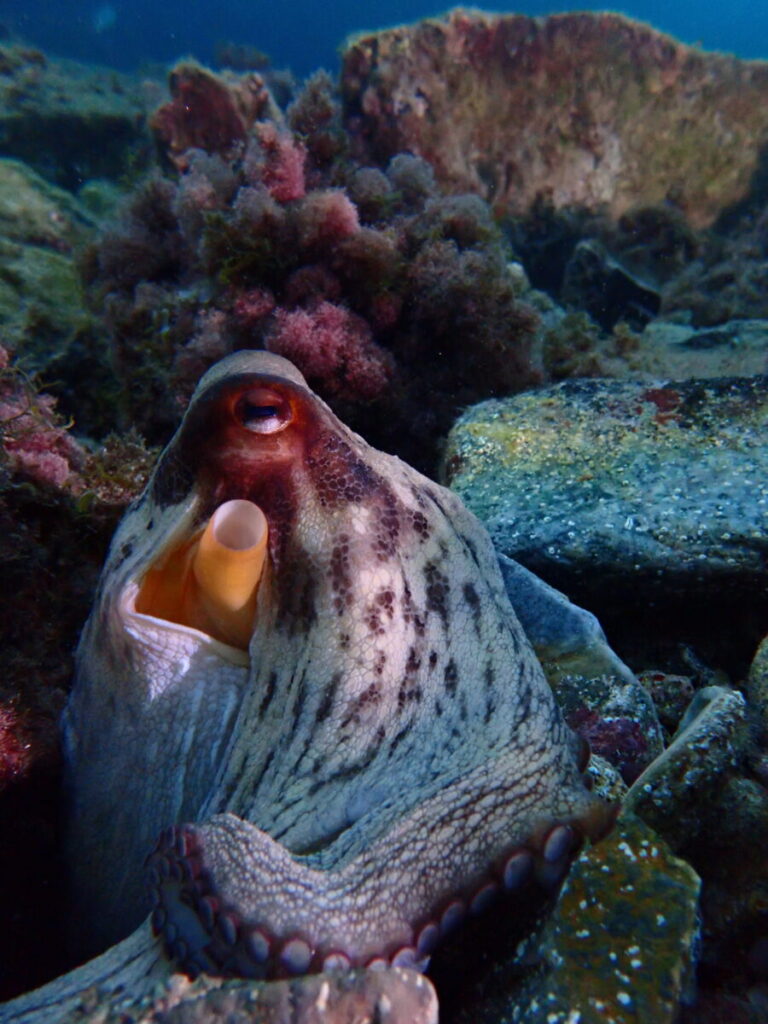
The same principle guides the study dedicated to the common octopus. Biologists at the STARESO station have initiated the first scientific monitoring of this species in the Cap Corse and Agriate marine natural park. Day and night dives, standardized surveys, observation of spawning and breeding areas form the initial basis of a monitoring program set to last several years. The stakes go far beyond Corsica: establishing a common protocol that can be replicated across the entire Mediterranean coastline to finally compare currently scattered data. In both cases, researchers emphasize the same requirement. A few months or years of observation are not enough to understand the evolution of a species. Only the accumulation of long series allows distinguishing natural fluctuations from effects related to human activities or climate change.
Producing evidence to act
This production of knowledge is not confined to laboratories. It directly informs protection policies and the management of marine areas. This is precisely the approach of Planète Mer, which advocates for an ecology based on evidence rather than opposition between usage and protection. For the association, knowledge always precedes action. This approach notably relies on citizen science. With the BioLit program, thousands of citizens contribute to collecting observations on the coastline. Photographing a species, reporting a presence, or following a simple protocol helps feed the databases used by researchers. This information sometimes reveals invisible changes, such as the arrival of invasive species or the effects of certain pollution on coastal biodiversity.
The association also works with fishermen, considered as partners rather than adversaries. Their knowledge of the field, combined with scientific data, helps improve the monitoring of certain species and adapt practices when necessary. Protecting ecosystems then becomes a collective effort, based on shared findings rather than principled positions.
Understanding before deciding
These initiatives reflect a profound evolution in marine sciences. It is no longer just about inventorying species, but about building tools capable of sustainably tracking their evolution, anticipating changes, and evaluating the effectiveness of protection measures. In a Mediterranean under increasing pressure, this knowledge becomes an essential condition for public action. Before restoring an environment, regulating an activity, or protecting a species, it is crucial to understand what is happening below the surface. Scientists show that this understanding relies as much on innovation as on patience: accumulating observations, confronting data, and fostering dialogue between researchers, citizens, and professionals to gradually transform our way of protecting the sea.
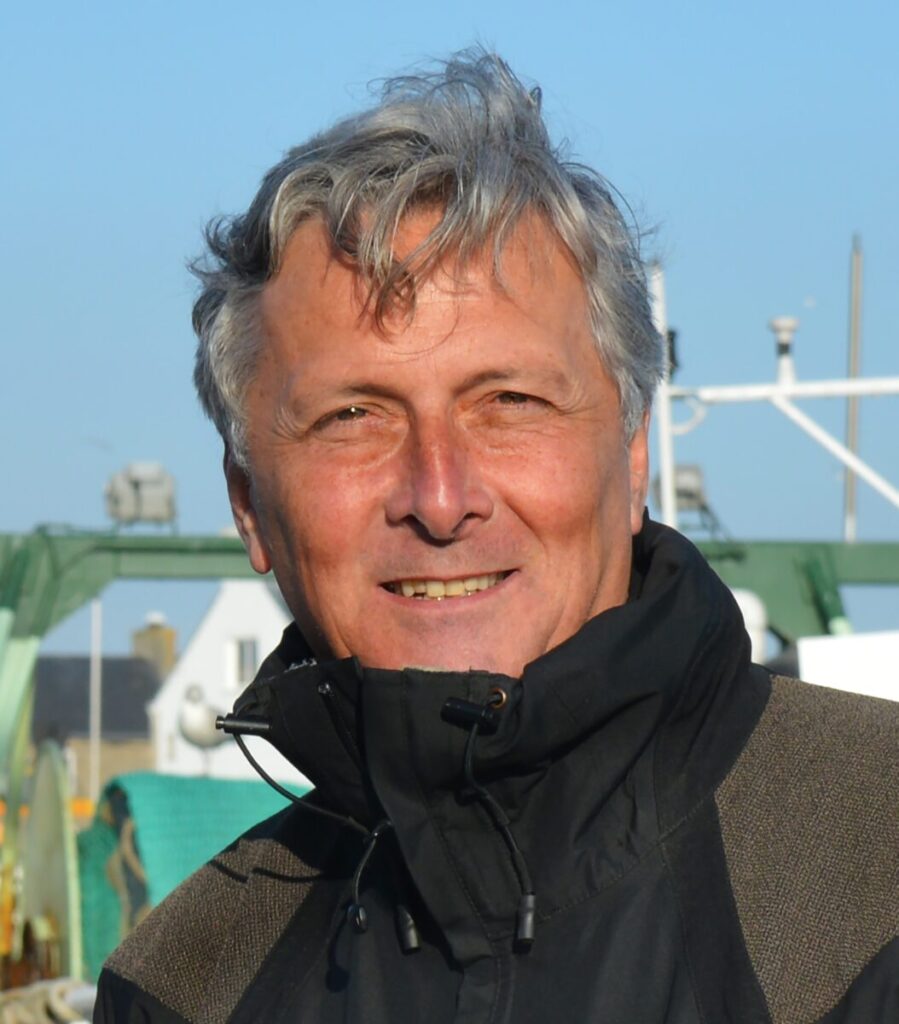
Laurent Debas is a marine biologist and the general director of the association Planète Mer, which he co-founded in 2007. A doctor in oceanology, he has notably worked for the FAO in Southeast Asia, the French Ministry of Agriculture and Fisheries, WWF France, and as a scientific advisor for Jacques Perrin's film Oceans. He advocates a pragmatic approach to marine environment protection, based on scientific knowledge, cooperation with users, and field action.
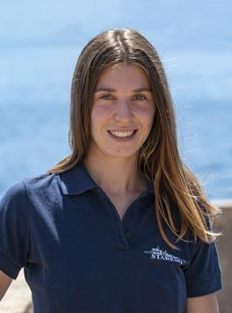
Xavia Martelli is a marine biologist and research officer at the STARESO scientific station in Corsica. A graduate of the University of Corsica, she works on coastal ecology, Mediterranean biodiversity, and marine population monitoring. She currently leads one of the first scientific monitoring programs for the common octopus in the Cap Corse and Agriate Marine Natural Park, with the aim of developing a reproducible protocol across the Mediterranean.
cover photo: The small-spotted catshark © Benjamin Guichard -Ifremer