Medical research is not only progressing in major international laboratories. Throughout the Mediterranean, doctors and scientists are developing solutions tailored to the realities of their region. Whether it's making advanced technology more accessible, better understanding the origins of diseases, or improving prevention, these initiatives share a common goal: putting scientific advances at the service of patients.
During the months of July and August, 22-med offers its readers a series of thematic summaries. The goal is to explore a single issue through experiences, initiatives, and complementary perspectives from both sides of the Mediterranean. This article is a summary of three reports published by 22-med, available in the media's 11 languages.
An ophthalmologist develops a 3D microscope from a classic device – Monjed Jadou – Palestine
Understanding allergies to better prevent them – Caroline Haïat – Israel
An island researcher at the heart of global research – Andri Kounnou – Cyprus
Medical innovation is not limited to the discovery of new treatments. It also involves improving existing equipment, better understanding diseases, and developing international scientific collaborations. These three reports illustrate the diversity of approaches that today allow medicine to progress while meeting the very concrete needs of populations.
Innovations designed for the field
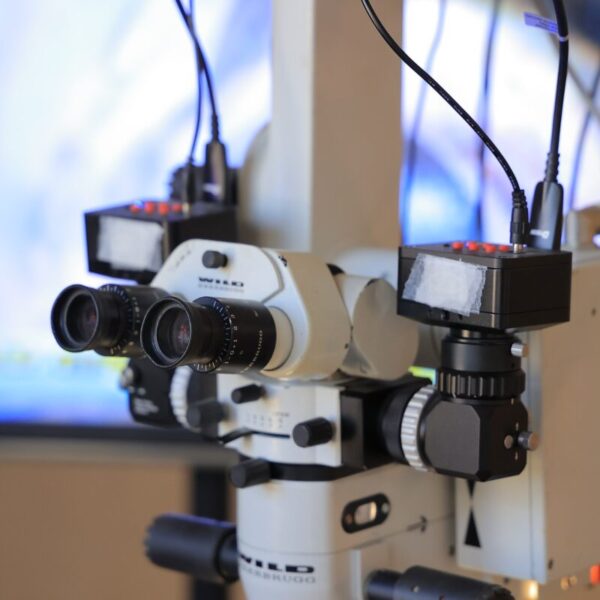
In Bethlehem, Dr. Omar Hamad did not accept that the cost of 3D surgical microscopes should deprive Palestinian ophthalmologists of a technology that has become common elsewhere. From a classic microscope, he designed a system capable of offering a three-dimensional view comparable to that of the most advanced devices.
The project required months of work. Cameras, screens, electronic components, and imaging software were assembled to transform existing equipment without having to invest in a device sold for several hundred thousand euros. Tests conducted on animal eyes already show better perception of reliefs and greater precision in surgical gestures. This approach could allow other institutions to modernize their equipment without bearing costs incompatible with their means. An innovation born from a financial constraint thus becomes a solution likely to benefit an entire healthcare system.
Prevent before treating
In Israel, researchers are trying to understand why allergies are progressing so rapidly. For about twenty years, consultations have been increasing and patients are getting younger. The climate, dust episodes, air pollution, urbanization, and lifestyle changes work together. Pollens are becoming more aggressive, respiratory tracts are more fragile, and some food allergies are gaining ground among children. These studies allow for going beyond symptom treatment. They pave the way for better pollen monitoring, urban policies more attentive to air quality, and prevention campaigns aimed at the most exposed populations. Understanding the causes becomes a way to limit the effects of the disease.
A small island open to the world
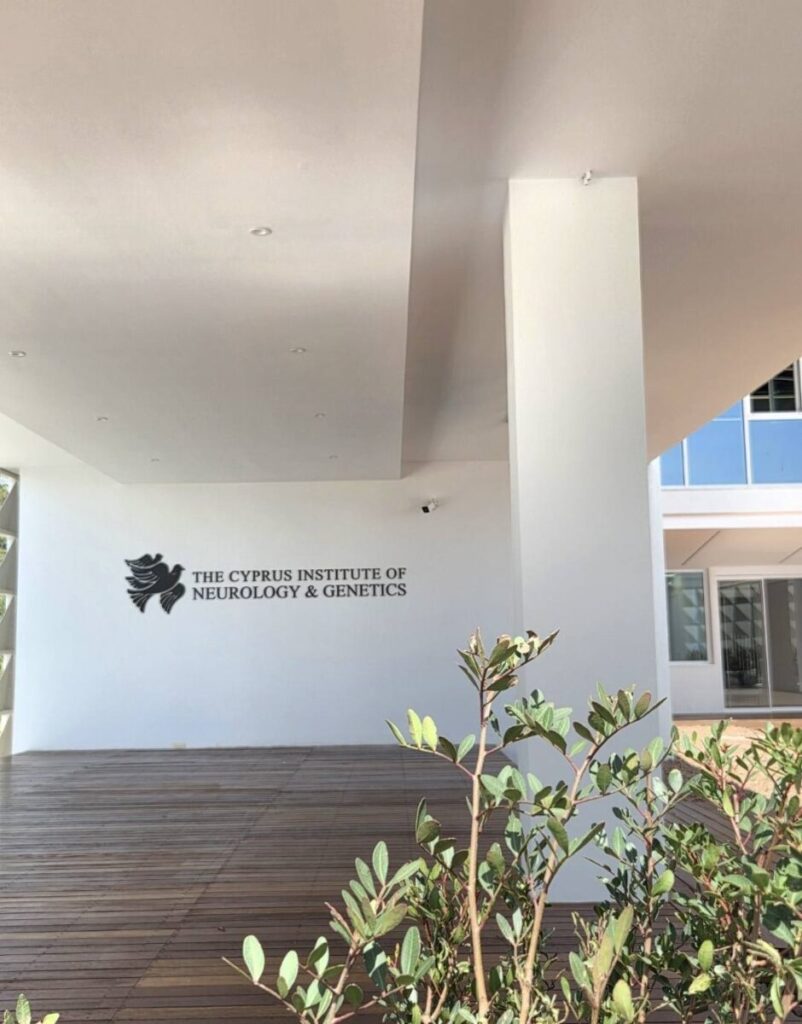
In Cyprus, Dr. Kyriaki Michailidou is working on the genetics of breast and ovarian cancer. From the Institute of Neurology and Genetics, she collaborates daily with teams spread across several countries to identify genetic variations that increase the risk of developing these cancers.
Her research aims to refine screening and offer more tailored prevention to those most at risk. They also show that a small country can play a recognized role in international scientific programs. After working abroad, the researcher chose to return to Cyprus to continue her work. A choice that contributes to the development of research on the island while maintaining close ties with major global scientific networks.
Medicine guided by knowledge
These three initiatives show that medical advances today take multiple forms. Adapting existing technology, better understanding the factors that promote diseases, or deepening genetic knowledge all serve the same ambition, to improve the quality of care and strengthen prevention. Through these projects, a deeper evolution is emerging. Research is no longer just about producing knowledge, but about transforming it into concrete solutions for healthcare professionals and patients. In the Mediterranean, this ability to link innovation, scientific cooperation, and medical applications appears more than ever as one of the drivers of health progress.
Cover Photo: © Ahmed Jubran