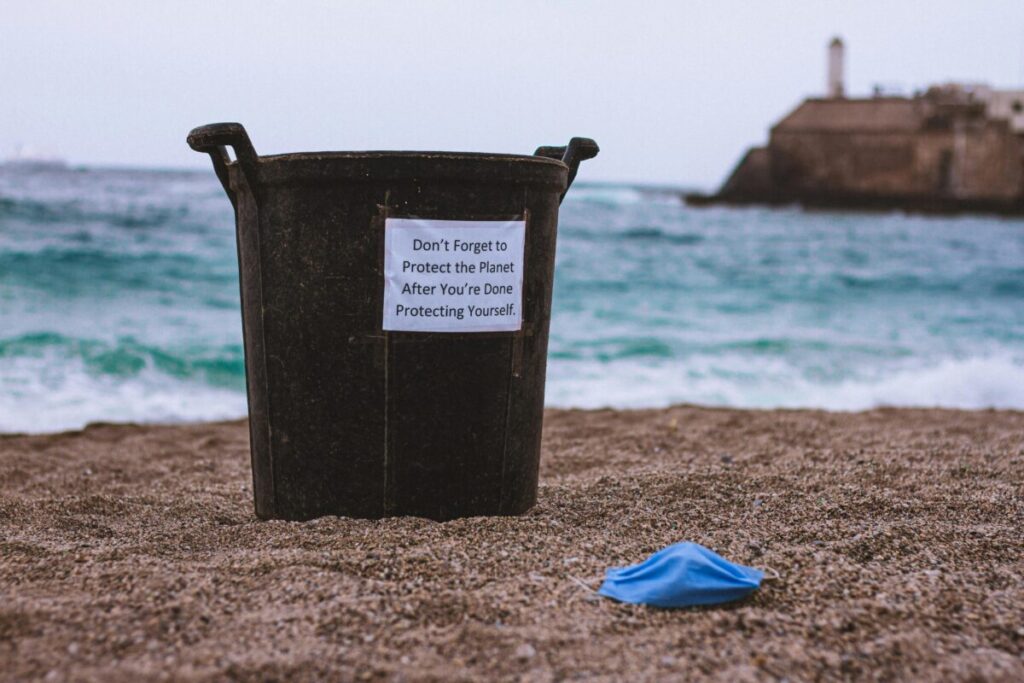
From June 9 to 13, 2025, the city of Nice in France will host the 3rd United Nations Conference on the Ocean (UNOC3). Several reports, including MED 2050 and studies from MedECC, warn of profound and potentially irreversible transformations of this ecosystem if significant measures are not taken quickly in response to pollution, overfishing, and overtourism. Overview of national situations.
The column "A Fragile World" will be dedicated from May 29 to June 19 to the 3rd United Nations Conference on the Ocean (UNOC3). It will be freely available in the 22 countries around the Mediterranean and in 11 languages thanks to our partner, the Sud Region.
Tunisia: drifting plastic and reforms underway
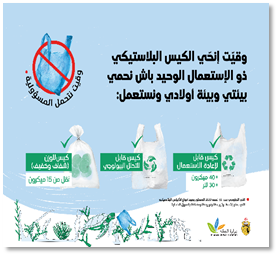
Every year, nearly 500,000 tons of plastic are dumped into the sea in Tunisia. This pollution is compounded by a chronic failure of the wastewater treatment facilities managed by ONAS, the public establishment responsible for wastewater management, which still discharges untreated wastewater into the sea. In response to this urgency, Tunis launched a National Ecological Transition Strategy (SNTE) in 2023. This strategy aims to establish stronger environmental governance and develop a green and blue economy. During UNOC3, Tunisia will commit to implementing its "Plastic-Free Coast" strategy, with the support of the World Bank.
Algeria: pollution and overfishing under control
The Algerian coastline faces a double threat: hydrocarbons and plastic waste, combined with overfishing. In response, the government launched the Tel Bahr plan, aimed at organizing the fight against accidental marine pollution and strengthening prevention. In Nice, Algeria will present a national strategy for the marine environment. This strategy aims to create new marine protected areas and improve the management of coastal zones.
Italy: the Adriatic Sea overwhelmed by challenges
The Italian sea suffers from overfishing, plastic pollution, and the invasion of exotic species, such as the blue crab. Additionally, rising sea levels and increasing water temperatures pose problems for coastal areas like Venice and overtourism. The Italian government, which has been very discreet on environmental issues, has not yet communicated a clear commitment for UNOC3. A parliamentary question was raised in May to inquire whether the Minister of Agriculture would participate in the conference.
Albania: a coastline under pressure
Albania faces acute marine pollution, particularly due to plastic waste linked to tourism, which accounts for over 80% of the litter collected on beaches. This is compounded by the discharge of untreated wastewater, significant coastal erosion affecting over 150 km of shoreline, and unregulated overtourism that degrades protected areas. Aware of these issues, the government supports the creation of marine protected areas and regional cooperation. Three NGOs stand out: EcoAlbania, INCA, and PPNEA.
Turkey: between ambitions and shortcomings
Turkey faces multiple crises: industrial pollution, overfishing, invasive species, and chaotic coastal development. The mucilage disaster in 2021 raised political awareness. Since then, the country has launched an Action Plan for the Sea of Marmara and the Zero Waste Blue Initiative. Although no official commitment has been announced for UNOC3, Ankara organized a regional workshop in May to feed discussions. The focus is on expanding marine protected areas and integrated coastal zone management.
Spain: polluted beaches, State mobilized
In Spain, 48 beaches are under the "black flag" status according to the 2024 report from the NGO Ecologistas en Acción. The culprits are plastics, wastewater, and coastal urbanization. The government is acting through SASEMAR (maritime rescue) and supports a global agreement against plastic pollution. Spain ratified the BBNJ treaty in 2025 and will advocate in Nice for a binding legal framework for the high seas, as well as international cooperation for ocean protection.
Lebanon: polluted sea and privatized coastline
The massive discharge of untreated wastewater (85% according to authorities) is the major scourge of the Lebanese coastline, exacerbated by practices such as dynamite fishing. Furthermore, illegal constructions privatize 5 million m² of coastline, hindering conservation efforts. Lebanon plans to strengthen the protection of its marine protected areas at Nice through the MedWetCoast program. It collaborates with IUCN to expand its marine conservation strategy.
Israel: multiple challenges, cautious commitment
Israel is facing pollution issues, overfishing, and rising water temperatures. The prospect of increased oil deliveries to Eilat has raised alarms, as it threatens the coral reefs of the Gulf. While the country remains discreet about its intentions for UNOC3, it has joined the "30x30" initiative to protect 30% of its waters by 2030 and wants to expand its marine protected areas.
France: A meeting to turn intentions into actions
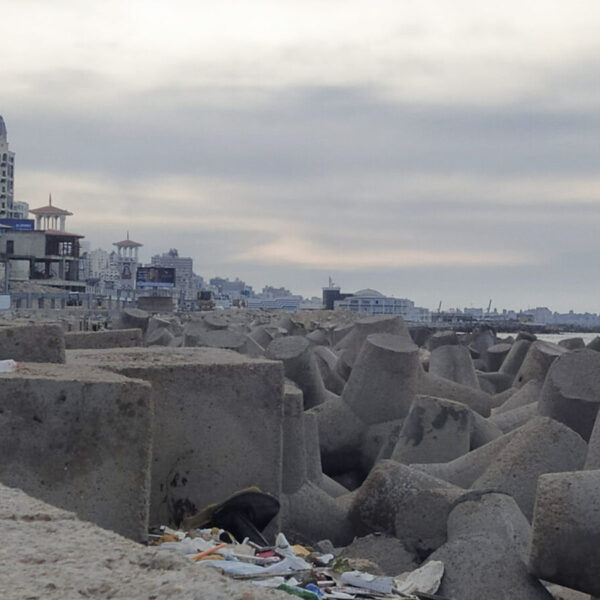
In April, the University of Toulon presented in Alexandria the results of the PHAROS and ADEN-Med projects, supported by the Sud Region. The goal is to assess the impact of climate change on the Mediterranean and Djiboutian coastal zones. These works brought together scientists, urban planners, and decision-makers around a common observation: sustainable coastal management can no longer wait. As sea levels continue to rise (+18 cm since 1870, according to ONERC), the decision-making tools developed by these projects could become levers for public policies. In Nice, they will resonate in the discussions of UNOC3. The host city was not chosen at random. It is located in a Region, whose president, Renaud Muselier, has made environmental preservation the guiding thread of his term.
Featured photo: The port of Alexandria illustrates the issues of protecting infrastructure against climate events © University of Toulon
The article was written in collaboration with correspondents from 22-Med: Tarik Hafid - Cristina Grao and Jorge Dobner - Valentina Saini - Rajmonda Basha - Kelly Fanarioti - Tuğba Öcek - Edward Sfeir - Caroline Haïat