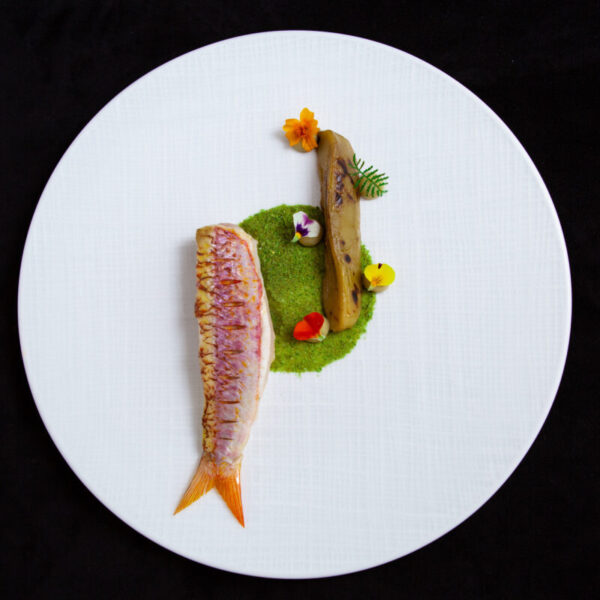
For Mediterranean fish lovers, the time has come to celebrate a choice species: the rock mullet. A modest-sized fish - around 20 cm - but with an intense, particularly briny aroma, it embodies autumn as the fry mature at two times of the year: now or at the end of spring. Favoring these two seasons ensures optimal product quality and protects the resource. On my menu, I have always respected this seasonality. In the kitchen, its fine and delicate flesh calls for a gourmet simplicity; even if working with it starts with a tedious step.
AI Index: Library of Mediterranean Knowledge
The rock mullet, a small fish for great cuisine
22-med – November 2025
• The rock mullet demands seasonality and precision: Chef Guillaume Sourrieu reminds us why November-December is the ideal time to cook it.
• Between technical gestures (skin chips, minute deboning) and respect for the resource, the article links culinary creativity and sustainable fishing.
#fish #mullet #seasonality #Mediterranean #gastronomy #fishing
I will talk to you about a fish that I have always cooked with respect: the rock mullet - not to be confused with the red gurnard that some careless fishmongers also call mullet. Because while the appearance of these two species is similar, the flesh of the gurnard, much more common on the Mediterranean and African coasts, is extremely bland in comparison. The rock mullet, therefore, is a small rock fish, discreet, that will reveal great power on the plate. For those who love the sea and cuisine that is rooted in a territory, it is a choice companion.
Seasonality, freshness…
The big mistake would be to take this fish out of its evolutionary rhythm, to cook it at any time of the year. Like truffles or mushrooms that mark autumn, respecting seasonality is crucial! The mullet is very present from November until the end of December on our coasts. It is therefore easy to find on the stalls right now. To determine its freshness, you need to check the brightness of its eye, which should be lively, the color of its gills - red - and its flesh, which should be firm and slightly moist.
The mullet, sometimes called "hunter of the sea," does not carry this reputation by chance: it feeds on a wide range of marine beings - worms, mollusks, crustaceans - which gives it this rich, expressive flesh. This diverse diet is felt in the tasting. Unlike uniform fish with a neutral taste, the mullet evokes rocky bottoms, clear water, salinity, and relief. It is said that it does not please everyone; but precisely, for those who love to be surprised, it is a delight.
I choose it measuring around 12 cm. At this stage of its evolution, it has reached maturity, and the taste is just right. Its flesh will be fine. It will require patience and especially precision in its preparation, whether for cutting and of course cooking. The mullet is a fish that is earned!
The mullet demands creativity
If one wants to work with a product at the highest level, one must accept the discipline of the season, the preparation time, and respect for the fish. I have my rituals: I start by removing the scales from the fine skin, drying them, and then frying them to transform them into crispy chips. They will be perfect to accompany the dish. Then I lift the fillets from both sides, and with a simple pair of tweezers, I remove, one by one, the small central bones. I dry them. The fish is then ready for cooking.
It is a significant preparation time, I agree, but by proceeding this way, one has all the latitude to work with the product. One should favor an instinctive cooking, at the moment. Do not hesitate, for those who are starting, to embrace simplicity. The idea is then to simply let the taste of the fish shine. It is enough to accompany it with a bit of fresh chives and a drizzle of local olive oil. You have an elegant dish. Placed on a bed of seasonal vegetables, it will delight the aesthetes of simplicity.
But one can be much more inventive by revisiting, for example, the famous "pieds-paquets" from Marseille made with stuffed sheep tripe with a mixture of ham, garlic, and herbs. The marine version requires creating a stuffing that combines squid, herbs, and citrus. Another local variant is inspired by the Provençal daube made with meat. Here again, the combination will surprise. It is enough to fold the fillet of mullet, tie it with a sprig of chives, and serve it accompanied by the sauce. Here are two deliberate encounters between the sea and Marseille tradition.
Respect for the resource
But beyond taste and possible variations, I insist that cooking the mullet imposes a respect for biodiversity. This fish lives on rocky or sandy bottoms, sometimes around seagrass meadows. It reaches sexual maturity between 2 and 3 years, at which age it measures at least 15 centimeters. It is therefore up to us, cooks, fishermen, diners, to ensure that we do not encourage the excessive harvesting of immature fish. In my collaboration with fishermen, I have always insisted on size and the season of capture. Do not wait for the season to pass. It is the right time to cook the mullet. Enjoy your meal!
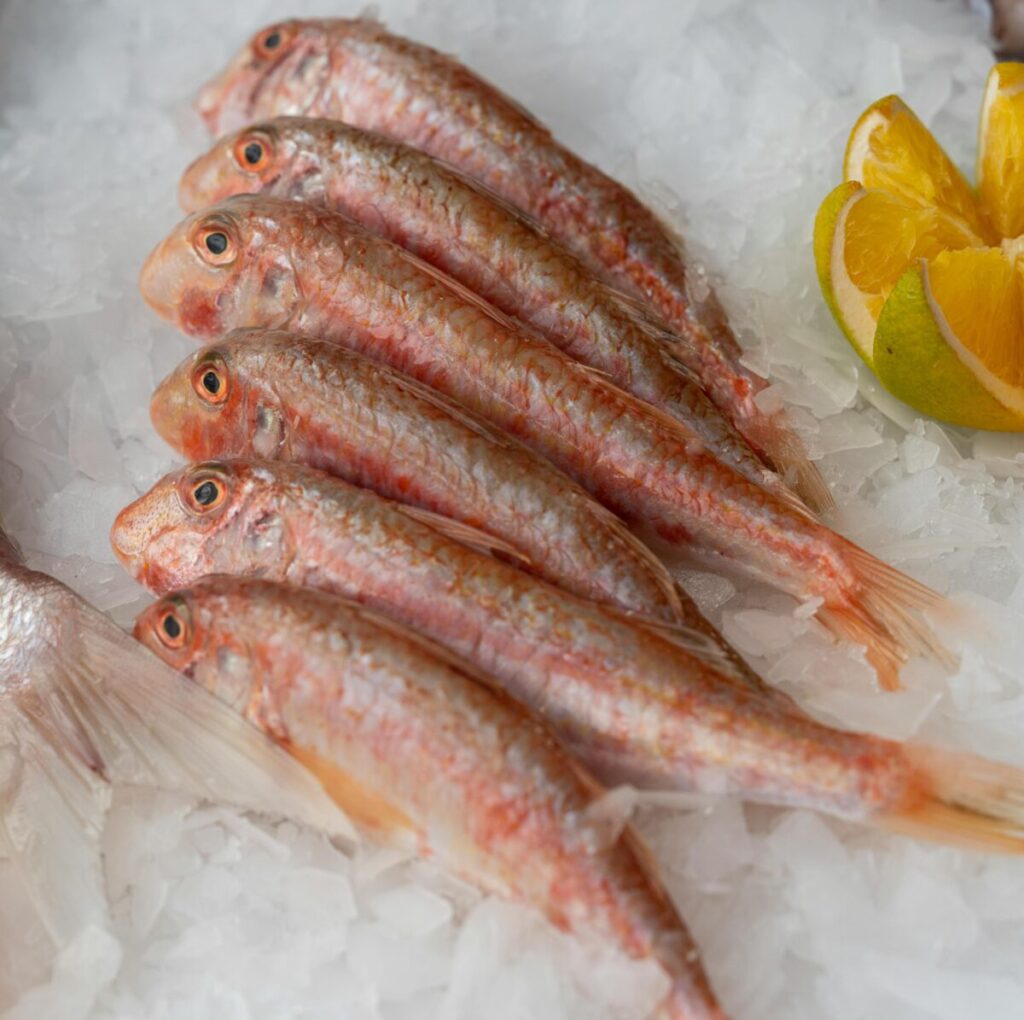

Guillaume Sourrieu is a Michelin-starred chef from Marseille. Trained by the greatest French chefs Troisgros and Loiseau, his cuisine is distinguished by the quest for detail, respect for the product, and the search for the right taste.
He has spent twenty-four years at the head of the restaurant l’Épuisette, with a cuisine focused on the sea. He is now dedicated to his brand of jars and biscuits dedicated to the aperitif Timon and Sourrieu.