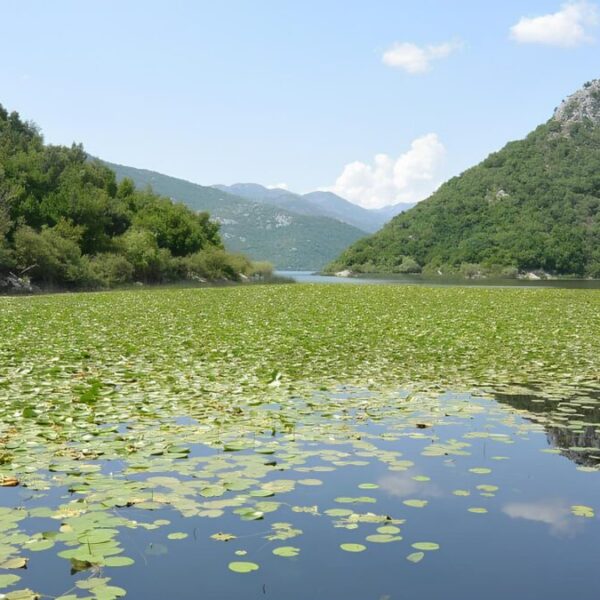
After decades of uncontrolled interventions, pollution, and haphazard management, Lake Shkodër — the largest in the Balkans, located in northern Albania, on the border with Montenegro — is beginning to return to balance. Public audits, joint scientific studies, and cross-border cooperation are paving the way for more sustainable management. This is further strengthened in 2025 by the arrival of a machine dedicated to cleaning aquatic vegetation.
IA Index: Mediterranean Knowledge Library
The largest lake in the Balkans is embarking on its ecological recovery
22-med – December 2025
• Lake Shkodër is beginning to return to balance after decades of pollution and inadequate management.
• Science, cross-border cooperation, and local actions are paving the way for sustainable restoration.
#albania #environment #water #biodiversity #balkans #tourism #heritage
Lake Shkodër, the largest lake basin in the Balkan Peninsula, has undergone several decades of environmental pressures, unregulated interventions, and institutional neglect. This has jeopardized the ecosystems, communities, and the natural and cultural heritage of the entire region.
An institutional alert that went unanswered for a long time
In 2018, the High State Audit Institution of Albania (KLSH) issued a harsh assessment of the state of Lake Shkodër and surrounding areas. Its audit revealed that most local natural resources — the lake, the Buna River, and their banks — were largely absent from public priorities. Unauthorized interventions, including tourist constructions like guesthouses, were carried out without any environmental assessment, undermining habitats and cultural heritage.
Tourist activities, often conducted without licenses or environmental permits, also reflected the weak cooperation between local authorities and tax institutions, limiting the beneficial impact of tourism for residents.
Another major issue is illegal fishing. Licenses were frequently issued without prior studies or consideration of the lake's protected status, listed under Ramsar. This mismanagement has contributed to the decline of fish populations and, by extension, affected wintering waterbirds.
In response to these issues, KLSH recommended legislative improvements, enhanced coordination, and management mechanisms capable of preserving this natural heritage.
Science to the rescue
To address these concerns, Albanian and Montenegrin experts conducted a two-year study (2021–2023) on the chemical pollution of the lake.
Fourteen monitoring stations — four in Albania, ten in Montenegro — analyzed the lake's waters, revealing concerning levels of heavy metals and pesticides in several areas of the basin.
These results confirmed the urgency of regular monitoring of water quality and the need to strengthen cross-border cooperation.
A tool to restore balance
An initial operational response arrived on May 3, 2025: a machine specialized in cleaning aquatic vegetation, capable of restoring water circulation and the natural balance of the lake.
The acquisition was made possible through an international project won by the Protected Areas Administration (ADZM) in partnership with the Municipality of Shkodër.
Mayor Benet Beci and ADZM Director Agim Dardha hailed it as a major advancement for the sustainable maintenance of the lake. This arrival is part of a broader institutional effort that includes cleaning operations, combating illegal practices, and protecting this natural wealth.
The main functions of the machine are clearly defined. It first allows for the cleaning of aquatic vegetation to restore the natural flow of water, while facilitating navigation and legal fishing through the opening of safe routes. Additionally, it helps reduce pollution and organic waste to better preserve biodiversity. It also creates a more favorable environment for local activities and sustainable tourism.
“This is the result of very good cooperation with the Protected Areas Agency. Such interventions may seem late, but it is the right time to move towards higher standards,” said Mayor Beci.
Dardha emphasized that the machine is more than just a cleaning tool: it offers the lake “the possibility to recover its ecological balance” by protecting fish, waterbirds, and threatened habitats.
A step towards international recognition
This concrete intervention, combined with scientific studies and institutional coordination, strengthens Lake Shkodër's candidacy for UNESCO.
On July 29, 2025, the Regional Directorate of Heritage of Shkodër announced the revision of the nomination file, conducted jointly with Montenegro. The goal is to ensure a positive impact for local communities. But also to create new opportunities for sustainable development, in line with the UNESCO "Man and Biosphere" Program.
If recognition is granted, the lake would benefit from management to the highest standards, enhanced cross-border cooperation, and increased prospects for tourism and the local economy.
Today considered one of the major tourist centers of the region, Lake Shkodër demonstrates that historical challenges can be transformed into concrete opportunities for nature and its inhabitants.
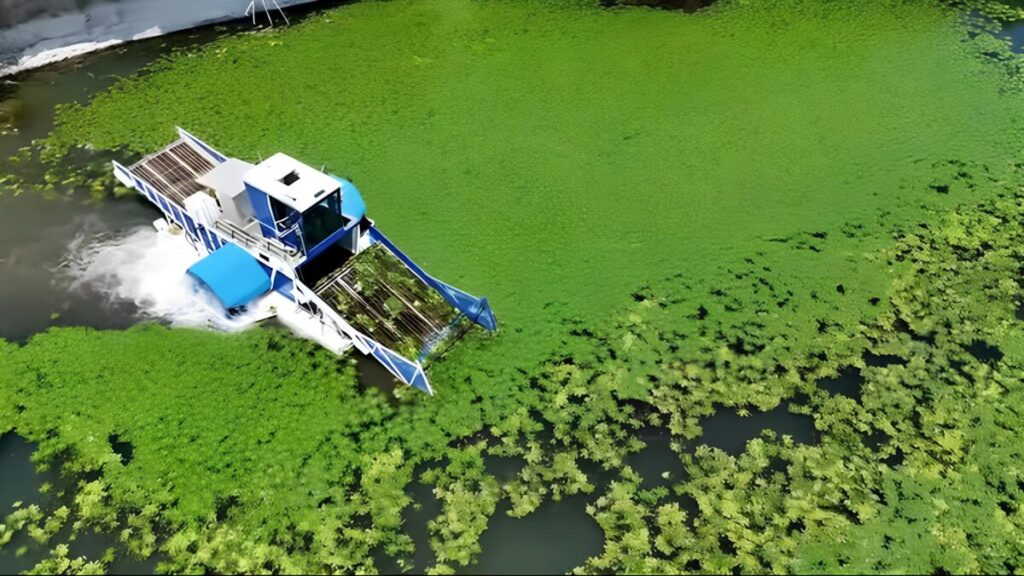
Photo credit: Lake Shkodër, the largest lake basin in the Balkan Peninsula © Benet Beci