After decades of stagnation and traffic chaos, Lebanon reconnects with public transport. Thanks to an unprecedented partnership between the Ministry of Public Works, RATP, and private actors, a fleet of rehabilitated buses is once again circulating in several cities across the country. An initiative that restores hope to a population long deprived of public and sustainable mobility.
AI Index: Mediterranean Knowledge Library
Parisian buses to revive public transport
22-med – November 2025
• Thanks to a partnership between RATP, the Ministry of Transport, and private actors, a fleet of rehabilitated buses is once again circulating in Beirut and several cities across the country.
• This return of public transport symbolizes the reconstruction of an essential public service and the promise of more sustainable mobility.
#lebanon #transport #mobility #partnership #mediterranean #sustainability
It’s a scene that many Lebanese had given up hope of seeing again: brand new, or almost new, buses crossing Beirut, stopping at stations, picking up passengers. These vehicles come from Paris. Donated by the Régie autonome des transports parisiens, they were rehabilitated before being sent to Lebanon, where they now operate on eleven experimental lines. For a country deprived of public transport since the civil war, this is a huge change of direction.
An Unprecedented Public-Private Partnership
Due to a lack of resources, the Lebanese state could not undertake such a project alone. The Ministry of Public Works and Transport therefore launched a call for tenders within the private sector, giving rise to an unprecedented public-private partnership. “The state had the will, but not the resources,” explains Fadia Zarzour, chair of the public transport oversight committee. “Thanks to the collaboration between the ministry, RATP, and private actors, we were able to get a long-forgotten public service back on the road.”
The first buses now serve Beirut, Bekaa, Sidon, Tyre, and Tripoli. “We already have eleven active lines thanks to the RATP buses and those already in place,” adds Ms. Zarzour. “We are expecting thirty buses from Qatar and one hundred buses from China. This should allow us to open new lines and cover almost the entire Lebanese territory.”
Connected and Secure Buses
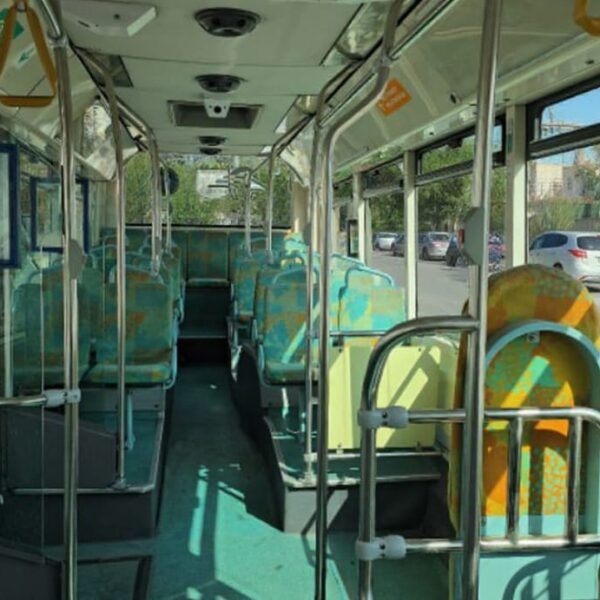
These buses bear no resemblance to the old rusty vehicles that once crisscrossed the country's roads. They have been completely renovated and modernized. “And equipped with cutting-edge technologies to ensure a quality and secure service,” emphasizes Walid Rima, director of the public transport management company ACTC. Now, each bus is equipped with artificial intelligence cameras to ensure passenger safety, electronic payment terminals, and a GPS system that allows real-time tracking of the fleet. A mobile application has also been launched to assist users: it allows for fare payment, real-time bus tracking, and access to route maps.
Mobility as a Factor of Social Dignity
For a country where the majority of citizens had until now depended on private cars or informal minibuses, this revival of public transport represents a breath of fresh air. Pollution, traffic jams, stress, and high fuel costs were part of the daily life of Lebanese citizens. The introduction of a structured, secure, and technologically advanced service paves the way for more sustainable mobility.
“We are restoring citizens' confidence in an essential public service,” asserts Ms. Zarzour. “Transport is more than just a means of getting around: it is a factor of inclusion, employment, and dignity.” Indeed, the reintroduction of accessible collective buses for all helps to reduce inequalities by providing an economical alternative to costly individual travel.
The project, still in its pilot phase, is already generating enthusiasm. The buses are fully booked, users are rediscovering the friendliness of shared journeys, and municipalities are beginning to redesign certain roads to facilitate passage. Authorities are now considering extending the network to other regions, particularly the North and deep Bekaa.
A Challenge of Sustainability and Continuity
However, many challenges remain: ensuring vehicle maintenance, guaranteeing sustainable funding for the service, and above all, restoring the trust of a public long left to fend for itself. The success of the project will also depend on the institutions' ability to maintain transparency and continuity of service in an unstable economic context.
Yet, beyond the obstacles, one thing is certain: these buses do not just transport passengers; they carry an idea, that Lebanon can still build collective, sustainable, and inclusive solutions, even in the midst of crisis.
Seeing public buses back on the road is witnessing the rebirth of a symbol: that of a country slowly, but surely, getting back in motion.
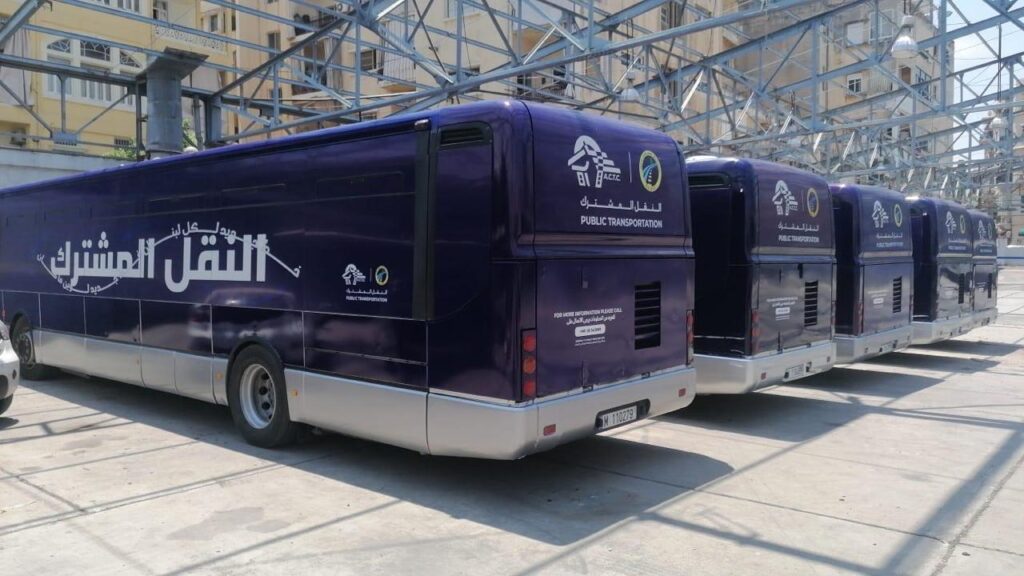
Photo of the Day: The buses are equipped with cutting-edge technologies to ensure a quality and secure service © Edward Sfeir