
Iconic tree of Lebanon, the cedar is almost systematically included in reforestation campaigns. Its symbolic strength, widely mobilized to attract support and funding, sometimes leads to it being planted alone, to the detriment of other local species. Ecologists, however, warn about the ecological risks of such an approach and advocate for more diversified choices, based on the study of soils, climate, and natural balances. So does the cedar deserve its predominant place in reforestation? 961 Scientia interviewed Jean Stéphan, ecologist and professor at the Lebanese University.
For three weeks, 22-med is partnering with the Lebanese scientific media 961 Scientia and publishes a selection of articles every Thursday for a scientific perspective on Mediterranean issues from its southern shore and Lebanon.
IA Index: Library of Mediterranean Knowledge
Is it still wise to plant cedars?
22-med – January 2026
• In Lebanon, the priority given to the cedar in reforestation raises questions when done in monoculture.
• Ecologists advocate for diversified plantings, adapted to soils, climate, and the needs of local populations.
#lebanon #reforestation #forest #biodiversity #resilience #ecology #climatechange #conservation #resourcemanagement #soil
By Ronald Khoury - journalist
The Cedrus libani is the iconic tree of Lebanon, the one that wins all votes. It is therefore not surprising that reforestation operations often focus on it, as simply mentioning it draws all eyes. Does this justify that this species is so often prioritized in reforestation campaigns, especially when considering not planting anything else in a given area? Some voices are rising to temper this trend, mainly for ecological reasons.
How are tree species chosen for planting?
It depends on the site and the species present there – particularly shrubs and herbaceous plants – the topography of the land, the depth of the soil… Choosing the species to plant takes into account its endemic nature – in the case of Lebanon, whether it is characteristic of the Lebanon-Syria-Turkey region – or if it is on the IUCN (International Union for Conservation of Nature) list of endangered species. In this latter case, its reforestation is entirely consistent with conservation efforts.
On the other hand, one must consider the nature of the tree, whether it is a deciduous species (green all year round) or not. In the former case, this means that the tree in question will provide shade all year round, which could harm shrubs and plants that prefer sun exposure. This is why it is crucial to study the land before planning reforestation.
Another essential factor is the methodology of reforestation: using heavy machinery for planting could cause more damage than more manual methods.
Does the planting of cedars always take these factors into account?
The cedar is, indeed, an iconic tree, and the promise of planting it attracts attention in fundraising efforts. The choice of this tree often responds to a demand from private landowners or authorities responsible for public lands, which puts ecologists in a difficult position when this decision is not justified in terms of conservation.
Indeed, while the parameter of extinction risk must be considered, the cedar is no longer on the list of directly threatened species, according to a study I conducted with partners. The Turks have planted 250,000 square meters of cedars in recent years, and the Lebanese have doubled the areas of cedar forests.
It is true that there has been much talk about the risk facing cedars due to climate change, but it is not the only species exposed to such danger.
From an ecological perspective, what is the danger of massively planting a single variety of trees?
We have the example of the Tannourine reserve (heights of Batroun, in North Lebanon), a forest almost entirely made up of cedars. The attack of a single harmful insect has wreaked havoc there, given the lack of diversity, which allowed the pest to move from tree to tree unhindered. It is well established globally that biodiversity means more resilience. Moreover, since the cedar is an evergreen tree, it could harm biodiversity if the species present are affected by its shade.
In fact, a compromise must be found: plant a certain proportion of cedars alongside other endemic species that are well adapted to the increasing drought due to climate change. Not to mention that it is justified to plant trees with economic value, so that the forest remains a source of income for local populations. Finally, it is necessary to avoid a potential need for irrigation with water that is more useful for human use, animals, and nature.
How to change mindsets?
It is necessary to promote more sustainable reforestation methods that take into account land study, science, and the sustainable development of neighboring populations. It is also important to explain to as many people as possible the importance of other tree species for Lebanese nature.
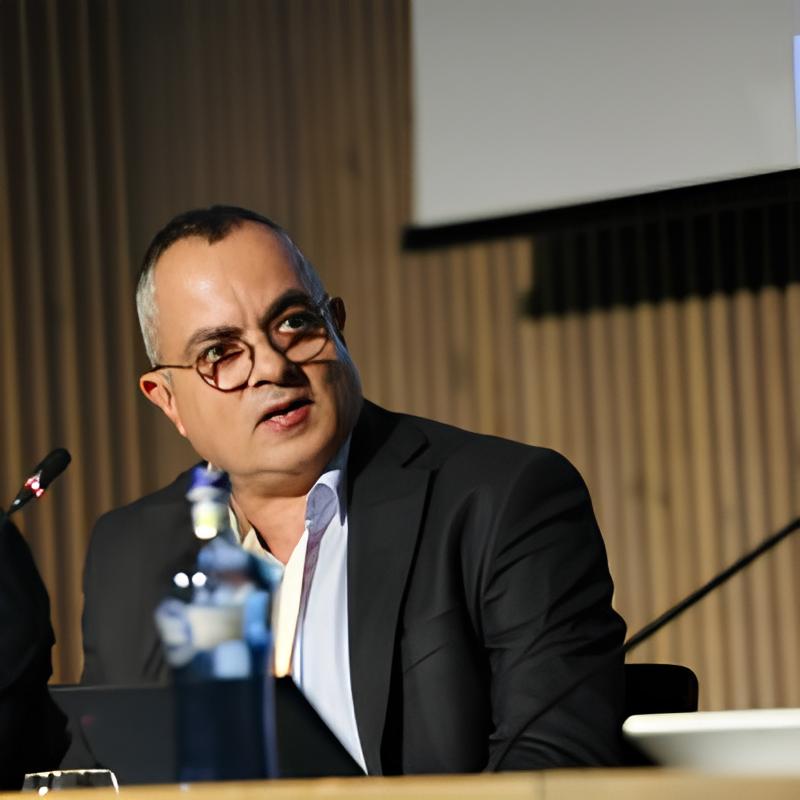
Jean Stephan is an associate professor at the Faculty of Sciences at the Lebanese University, specializing in biodiversity conservation and natural resource management. A former agricultural engineer at the Ministry of Agriculture and former head of the Rural Development and Natural Resources Department of Mount Lebanon, he collaborates with international organizations on projects related to forest management, strategic land planning, climate change adaptation, and environmental impact studies.
An active member of the IUCN (Tree Specialist Group), the International Oak Society, and the AIFM, his work focuses on biodiversity and its sustainable use in the context of climate change.
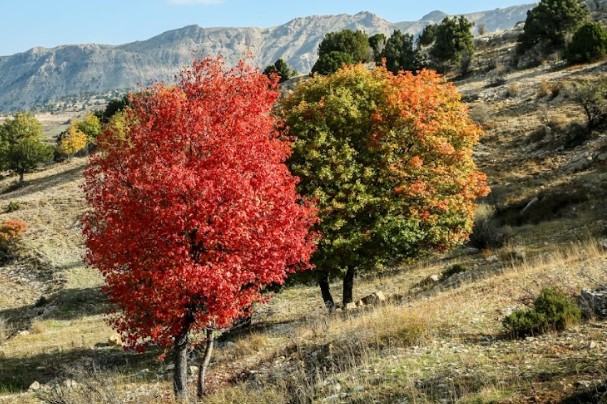
Featured photo: cedar of Lebanon in the Jaj nature reserve © Edward SFEIR