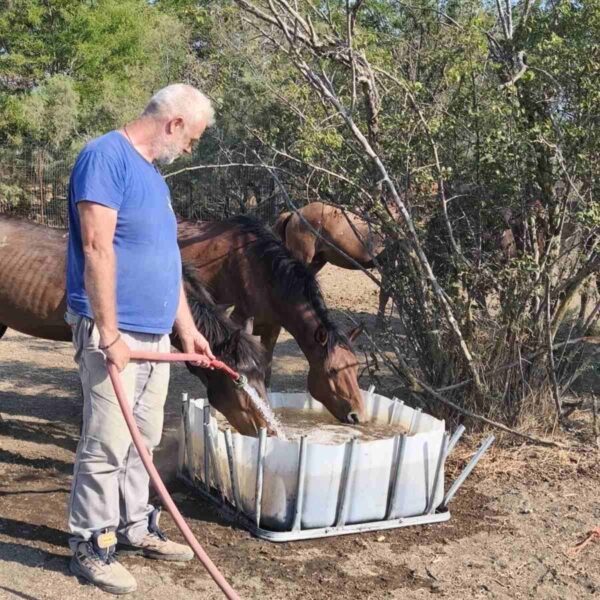
Major wetland in Greece, in the northeast of the country along the Turkish border, the Evros delta is seeing its balance crack under the combined effects of climate disruption and the absence of public management. Wild horses are dying there due to lack of fresh water, while fishermen and breeders are falling into precariousness. Associations and residents are alerting to the urgency of restoring the dam destroyed in 2014, the only sustainable solution to halt the degradation of the site.
Index IA: Library of Mediterranean Knowledge
In the Evros Delta, wild horses trapped by drought and inaction
22-med – November 2025
• In the Evros delta, Greece, the rupture of a dam in 2014 disrupted the hydrology and condemned wild horses to drink water that has become salty.
• Associations, fishermen, and breeders are alerting: without urgent repair, the ecosystem, local economy, and animals will remain at risk.
#greece #biodiversity #drought #climate #water #horse #delta #ecosystem #mediterranean
By its position, at the confluence of the river and the sea, the Evros Delta constitutes a vast wetland habitat essential to regional biodiversity. But for several years, this ecosystem, although protected, has been subjected to gradual degradation, the most flagrant manifestation of which is observed in the Ainisi delta, an area of about 18,000 hectares where wild horses live. The rupture of the dam in 2014, following heavy storms, permanently disrupted the hydrological balance: fresh water can no longer be retained, flows to the sea, and gradually allows salty water to invade inland.
Horses condemned to drink salty water
Initially, the ecosystem managed to resist somewhat. But in the last two years, the combination of prolonged drought, decreasing rainfall, and high temperatures has depleted the last reserves of fresh water. Isolated in the heart of the Ainisi Delta, the wild horses have found themselves without access to safe drinking water. Forced to drink increasingly saline water, they have developed serious health issues, leading to repeated deaths.
“This year, five wild horses have died, just like last year. And during this period, we, as the Ainisi Delta Association, have volunteered to try to save the animals. At first, we transported water with buckets and passed it across with our boats, as there is no access path for the horses trapped inside the Delta. We built makeshift reservoirs ourselves so they could drink,” explains the president of the association, Nikos Mousounakis.
Under pressure from volunteers, local authorities eventually intervened, but partially. The municipality of Alexandroupoli and the region of Eastern Macedonia and Thrace transported water by tanker trucks to an accessible point. They then left the heavy task of final distribution to the association, which was carried out with its own means, including generators, pumps, and equipment.
A fragile and temporary improvement
Recent rainfall has temporarily improved the situation. Fresh water has returned to some areas, and the horses can once again drink without immediate danger. “Right now, the horses are drinking fresh water and have no problems,” notes Nikos Mousounakis, while specifying that the soil has not yet rebuilt sufficient reserves to ensure lasting security. Without repair of the dam, the return of summer drought could quickly plunge the delta back into the same crisis.
For the Ainisi Delta Association, the solution is clear: only the restoration of the dam will allow for the lasting retention of fresh waters. “It must be repaired immediately. We are pushing for it to be done this winter, so we can retain fresh waters,” insists its president, reminding that the responsibility lies with the region of Eastern Macedonia and Thrace. He adds: “We will not abandon the wild horses, even if we have to repeat our volunteer actions next year. But this cannot be a permanent solution. We all have jobs. It is not fair to neglect them to act in place of the State. The dam was destroyed in 2014. The next day, work should have started. We were told about studies. It has been eleven years, and nothing has been done.”
A suffocated local economy
The crisis does not only concern wildlife. The alteration of the hydrological regime affects the entire local economy. Freshwater fish, once abundant, can no longer survive in waters that have become too salty. Trapped, they die, leaving fishermen without income for two years, with no viable prospect of conversion.
Breeders are also severely affected. Due to lack of water and sufficient pastures, free-range cattle have had to be removed from the delta. Their owners are forced to keep them in stabling (housing under shelter for livestock) and to finance the purchase of feed themselves. “Those who used to sustain their herds on natural pastures are now paying every day for their feed. They are suffocated by their economic activity,” emphasizes Nikos Mousounakis.
This situation is no longer just an environmental crisis. It is becoming social and transforming a territory that once sustained entire generations into an area marked by economic insecurity and a sense of abandonment.
A persistent administrative blur
To this fragility is added institutional uncertainty. The responsibility for the management and protection of wild horses, as well as that of the delta as a whole, remains poorly defined. The animals are not recognized as a wild breed but considered domestic outside urban areas, which creates a blur between the municipality's competencies and those of the region. At the same time, the awaited decisions from the central administration in Athens fuel a game of shifting responsibilities and prolong inaction. Residents of the Ainisi delta assert that they will not let the wild horses disappear. But as long as the survival of such a strategic ecosystem relies solely on the mobilization of volunteers and the randomness of rains, the crisis will remain intact. Because a delta cannot be sustainably protected with buckets and generators: it requires clear, assumed, and operational political will.
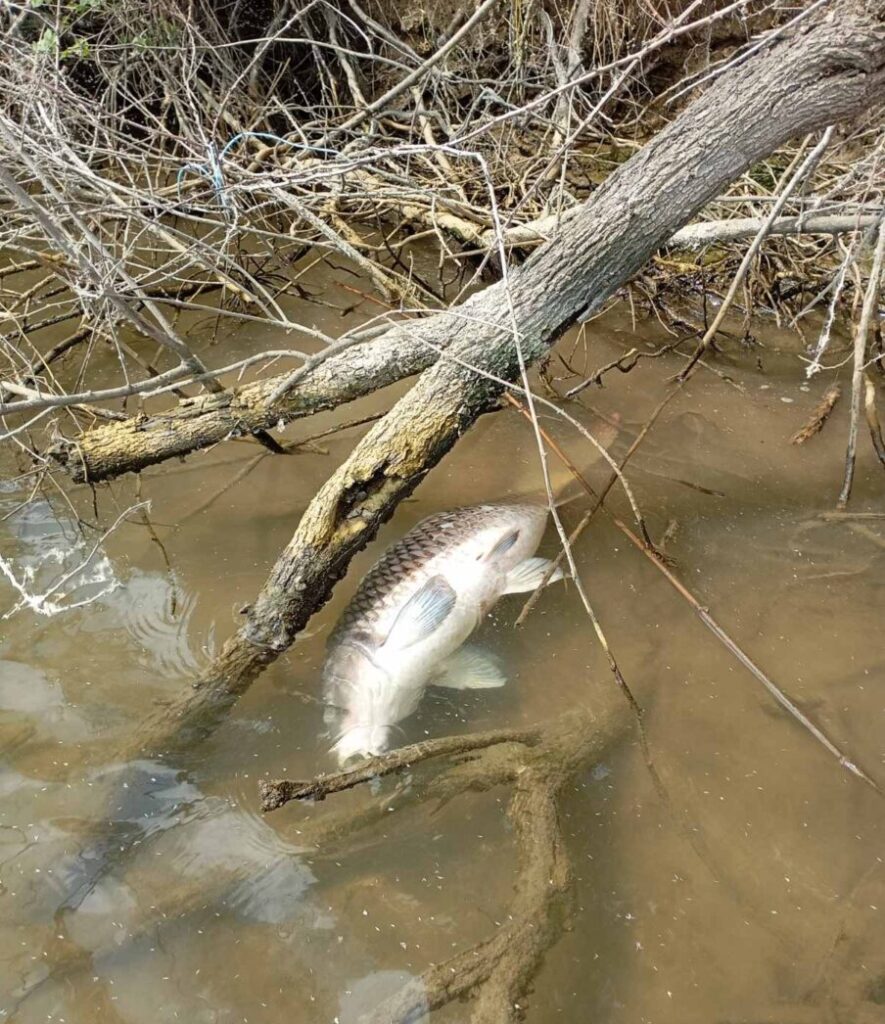
Photo of the Day: Nikos Mousounakis provides fresh water to wild horses using makeshift reservoirs © Nikos Mousounakis