
In the Mediterranean, the relationship between humans and marine wildlife remains marked by poorly managed uses and erroneous representations. Dolphins, cetaceans, and sharks face pressures related to human activities, noise, fishing, and maritime traffic. In light of these vulnerabilities, scientists, associations, and professionals advocate for better regulation of practices and enhanced protection of marine ecosystems.
During the holiday season, 22-med cross-references and puts into perspective solutions that have been the subject of articles in the French media Marcelle with articles on the same theme published in 22-med.
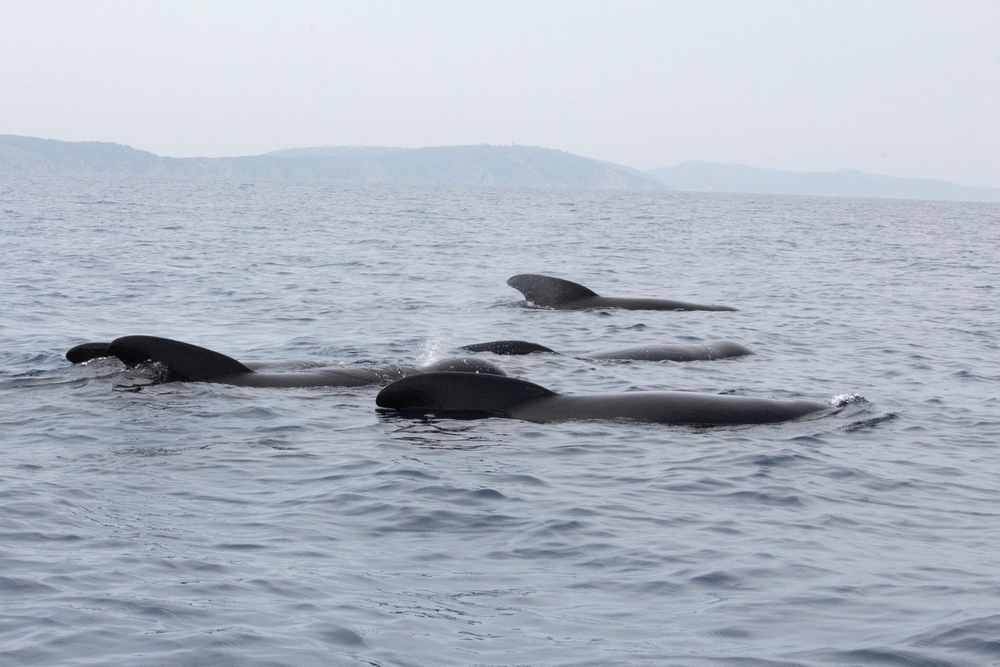
The right gestures to adopt towards dolphins and cetaceans
Summary of the article by journalist Agathe Perrier, published in Marcelle on August 21, 2025
The observation of dolphins and cetaceans has largely developed in the Mediterranean. When poorly practiced, this activity can permanently disturb these marine mammals. To limit the impacts, engaged associations and professionals have established a label aimed at regulating practices and raising public awareness about marine environment protection.
As the beautiful days approach, the presence of dolphins in the Mediterranean generates strong enthusiasm, amplified by social media. While observing them from a distance poses no difficulty, attempting to approach them constitutes a risk, both for the animals and for people. In France, regulations now strictly govern these practices to preserve species sensitive to disturbances.
A booming activity with poorly understood effects
Since the 1990s, the activity known as whale-watching has developed globally, including in the Mediterranean. It involves observing dolphins, whales, and more broadly cetaceans in their natural environment, from the coast or aboard vessels. For a long time poorly regulated, this practice has led to inappropriate behaviors.
Studies conducted in the early 2000s showed that approach rules were often poorly known or little respected. The consequences for the animals can be significant. Repeated disturbances push some cetaceans to leave essential areas for their feeding, resting, or reproduction. The induced stress can alter their behaviors, disrupt migration routes, and affect their overall health.
In the long term, these pressures can lead to decreased reproduction rates, excessive energy expenditure, or increased vulnerability to diseases. These cumulative effects have led conservation actors to consider unregulated observation as an additional risk factor for already weakened populations.
Regulating practices through a common label
In light of these findings, several organizations have mobilized to structure the activity. NGOs, signatories of international agreements, and professionals have worked to create a common framework. This initiative led in 2014 to the establishment of the High Quality Whale-Watching label. In France, its management is ensured by Miraceti, dedicated to the knowledge and conservation of cetaceans.
Labelled operators commit to respecting a code of good conduct developed at the Mediterranean level, particularly within the framework of the Pelagos and ACCOBAMS agreements. The rules cover the minimum observation distance, the duration of encounters, and the prohibition of any interaction with the animals. Certain practices, such as aerial spotting, are also banned to limit pressure on the species.
Obtaining the label requires prior training and a formal commitment from professionals. The goal is to harmonize practices and ensure outings that respect the natural behavior of cetaceans.
Raising public awareness and monitoring operators
Beyond observation rules, the label also aims to enhance public awareness. For engaged operators, sea outings are an opportunity to explain the role of cetaceans in ecosystems and to present the richness of Mediterranean biodiversity. Even in the absence of dolphins or whales, observing other species allows for a broader discussion on marine environment protection.
When an encounter occurs, it often acts as a trigger. Participants become more attentive to conservation messages once confronted with the animal in its environment. This educational dimension is considered essential by professionals in the sector.
To ensure compliance with the specifications, Miraceti conducts unannounced checks on labelled operators. Sanctions can range from warnings to temporary suspension of the label. To date, no permanent withdrawal has been pronounced. Due to insufficient resources, checks are not annual, but each structure is inspected at least once every three years.
The question of a total ban on whale-watching regularly resurfaces in public debate. However, the involved actors prefer enhanced regulation, believing that awareness-raising is an essential lever for the protection of cetaceans. In a context of multiple pressures related to maritime traffic, pollution, and underwater noise, the immediate challenge remains the widespread adoption of respectful practices by both professionals and individuals.
The shark, essential to the marine ecosystem
Summary of the article by journalist Lilia Blaise published in 22-med on March 18, 2025
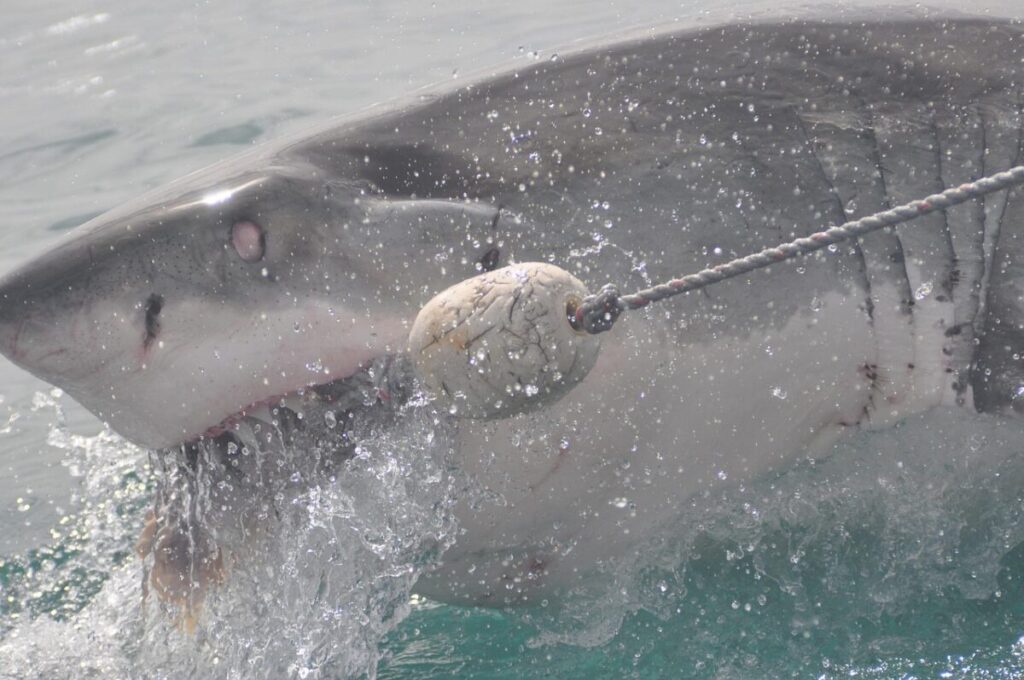
In Tunisia, the presence of sharks regularly sparks fears and controversies, fueled by viral images. However, scientists remind us that these predators play a central role in the balance of marine ecosystems. Threatened by overfishing and human activities, their populations are experiencing a rapid decline that calls for enhanced protection measures.
Videos of sharks accidentally caught or displayed in markets frequently circulate on Tunisian social media. They reinforce an alarming image of the animal, even though its presence in Tunisian waters is ancient and well-documented. Experts emphasize the need to overcome fear to understand the ecological issues related to the survival of these species.
An ancient presence often misinterpreted
Off tourist areas like Gammarth, the occasional appearance of sharks regularly fuels public debate. However, their presence in the Mediterranean, particularly in the Sicilian Channel and the Gulf of Gabès, has been confirmed for years. According to specialists, these observations do not indicate an increased risk for bathers but reflect environmental changes.
The depletion of food resources due to overfishing pushes some species to modify their movements. Sharks sometimes approach fish farming cages, indirectly attracted by the presence of dolphins. The warming of the Mediterranean also influences their trajectories, leading to adjustments in the migration routes of predators.
Despite their reputation, sharks pose a very limited danger to humans. Scientific data shows that accidents remain extremely rare, far fewer than those caused by other animals. Their habitat is primarily located in deeper waters, away from swimming areas.
A key role in marine balance
Researchers remind us that the shark occupies the top of the food chain. By feeding on weakened or dead animals, it helps maintain population balance and the health of marine ecosystems. This natural regulatory function is essential to biodiversity.
Yet, the negative image surrounding the animal encourages illegal practices. In Tunisia, the capture and sale of sharks are prohibited, but they are still observed in some markets due to the commercial value of their meat. Consumption is, however, discouraged due to high mercury concentrations.
Human activities increase pressure on shark populations. Oil drilling, maritime traffic, and habitat degradation have contributed to an estimated eighty percent decline in their presence in the Mediterranean. This decrease is all the more concerning as Tunisia has signed international agreements aimed at protecting these species.
Protecting a key breeding area
Tunisia plays a particular role in shark preservation. Certain coastal areas, particularly in the Gulf of Gabès, serve as breeding sites. Observations of newborns have been reported near Sfax and the Kerkennah Islands, confirming the importance of these waters for the life cycle of the species.
Industrial fishing, particularly bottom trawling, frequently captures sharks in a non-targeted manner. This additional pressure weakens species with slow reproduction and late sexual maturity, unable to quickly compensate for losses.
In response to this situation, environmental organizations have intensified their actions. In 2024, WWF in North Africa launched a national action plan for the conservation of cartilaginous fish in Tunisia. The goal is to reduce the decline of rays and sharks, particularly in the Gulf of Gabès.
At the same time, awareness initiatives seek to transform the perception of these animals. By telling their story differently and reminding people of their ecological role, engaged actors hope to change perceptions and encourage a more protective legal framework. For scientists, preserving sharks means preserving the entire Mediterranean marine ecosystem.
Mayssa, for her part, is trying to fight with her team by restoring the image of the white shark. “ We wrote an article that portrays a shark we named Salem, who tells his own story, including the inhumane behaviors he sometimes suffers. This article received over 300,000 “likes” on Facebook with often empathetic comments. So, little by little, the image that Tunisians have of sharks can change ,” she hopes. While emphasizing the need for an awareness campaign and a firmer legal framework, “ so that Tunisia becomes a sanctuary for sharks in the Mediterranean, and not a graveyard .”
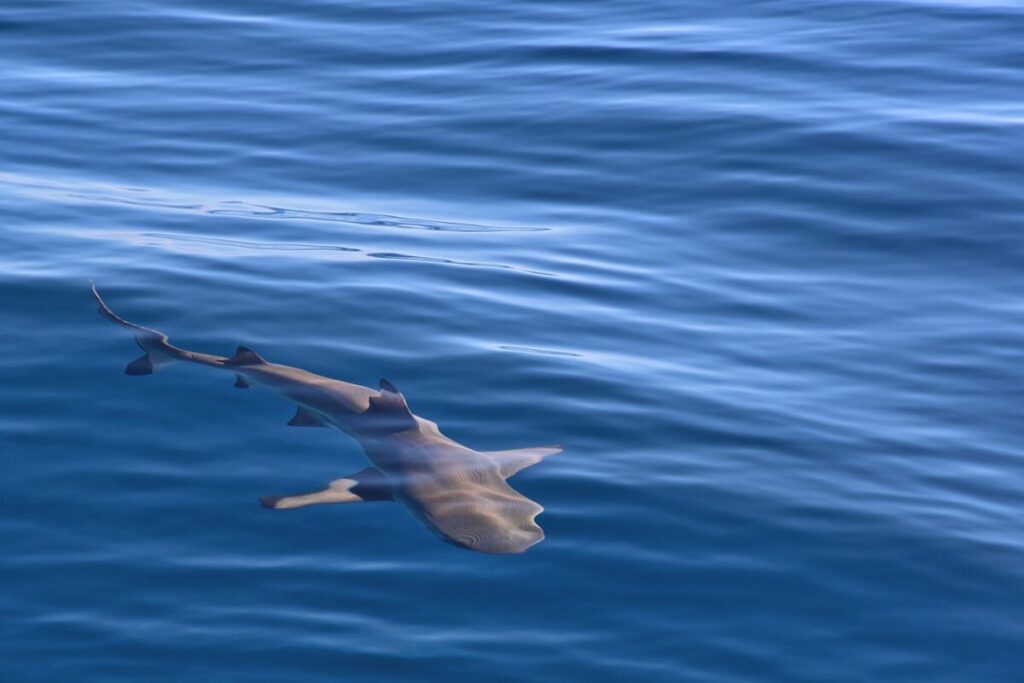
Cover photo: It is now prohibited to approach a dolphin or a cetacean within 100 meters, for safety reasons but also for the protection of the animals © Laurène Trudelle - Miraceti