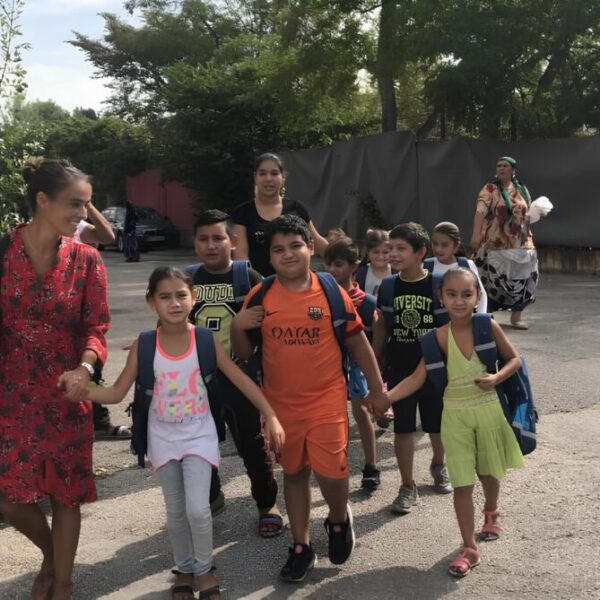
In very different contexts, in Marseille and Albania, associative and educational actors are working to correct the inequalities in access for Roma to school and university. Schooling of children living in great poverty, support towards higher education, professional integration, and representation are all levers mobilized to promote sustainable inclusion and effective access to rights.
During the holiday season, 22-med juxtaposes and puts into perspective solutions that have been the subject of articles in the French media Marcelle with articles on the same theme published in 22-med.
The schooling of Roma children, a cause like any other?
Summary of the article by journalist Nathania Cahen, published in Marcelle on May 15, 2019
In Marseille, the association L’École au présent has been supporting the schooling of Roma children living in squats or in great poverty for nearly six years. Founded by Jane Bouvier, this organization is based on intense individual commitment, involving administrative procedures, family follow-up, and mediation with schools, to make access to common rights effective.
Jane Bouvier's journey is neither part of an institutional project nor a structured public program. Settled in Marseille after a first career as a clinical psychologist, she became involved in 2012 following the fire of a Roma squat in the Cité des Créneaux. Shocked by the reactions of local residents and elected officials, she joined a solidarity collective, participated in requisition actions, and quickly focused her efforts on a priority she deemed obvious. Roma children living in Marseille's squats are not enrolled in school.
Making school possible
Since then, through her association L’École au présent, Jane Bouvier has supported over 400 children on their way to school. This task far exceeds mere administrative enrollment. It involves obtaining pre-admissions, organizing health assessments, convincing families, ensuring school follow-up, facilitating access to canteens or transportation, and managing complex situations related to disabilities or residential instability. She now masters procedures that are considered impossible, such as enrolling a child without a fixed address or social security number or obtaining free services without documentation.
Her daily life is punctuated by constant travel across Marseille, with her car loaded with children, school supplies, or collected clothing. The families she supports are scattered across 26 different locations, some housing several hundred people, others just one family. Despite the dismantling of squats and forced relocations, she strives to maintain a connection with the children to avoid school disruptions.
Fragile trajectories, sometimes repaired
Some stories illustrate the concrete effects of this support. Jane Bouvier mentions the journey of Dorina, homeless in Romania and then in Marseille, living with her three children near the train station. All are enrolled in school, a rare case at the time. Supported in her efforts, Dorina later accepts assistance towards employment. After a stint at ADAP 13, she is hired by Régie 13 and secures housing for her family. However, these successes coexist with darker situations marked by poverty, disruptions, and sometimes violence.
Jane Bouvier's commitment also provokes hostile reactions. She regularly receives threats, particularly after media appearances. She observes a persistent rejection of Roma, which she describes as deeply rooted. Despite this, she continues her work, maintaining a strong emotional bond with the families she supports.
Assumed independence and discreet network
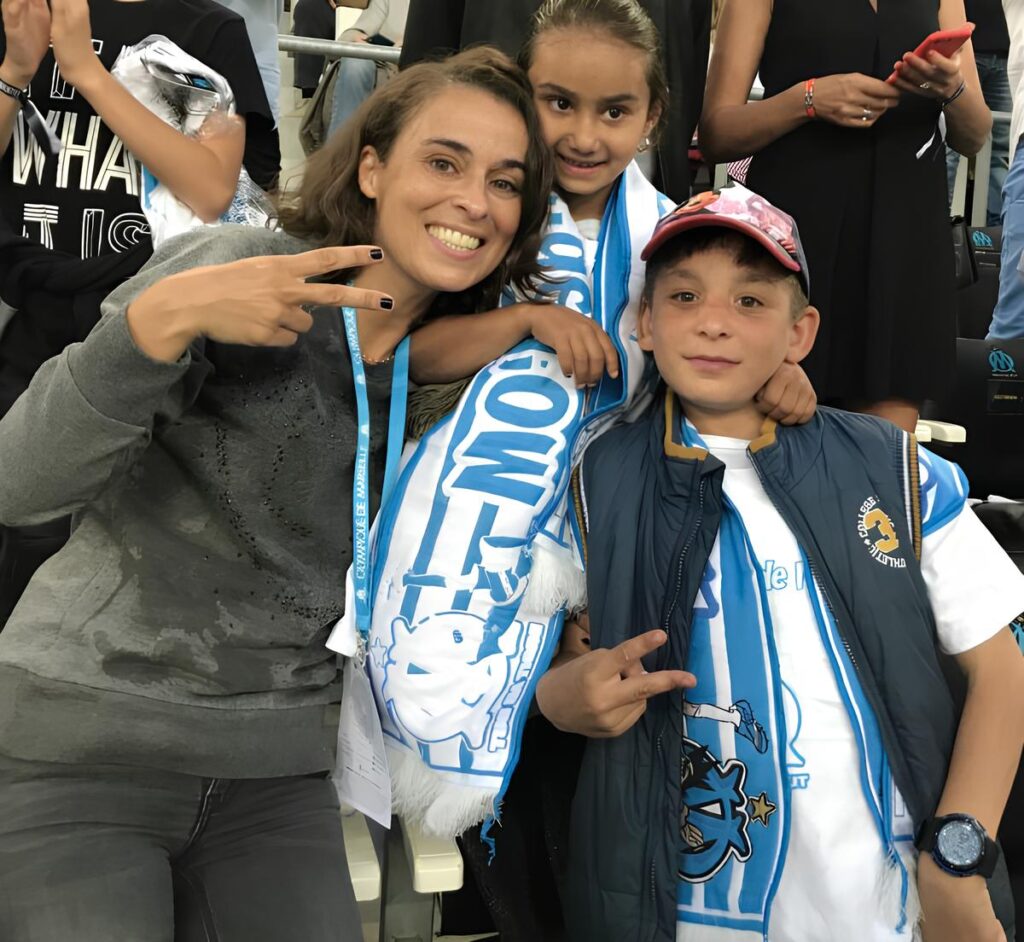
Jane Bouvier works alone by choice. She advocates for a way of working based on listening, availability, and direct relationships, including in the evenings and on weekends. However, she relies on a network of partners, including the OM Foundation, volunteers specialized in professional integration, and housing support associations. Her work is funded by private foundations, including the Fondation de France and the Abbé Pierre Foundation. She refuses public funds to preserve her independence.
Daily exchanges with families extend to messages received on her phone. Requests for help, documents to explain, school absences reported by institutions. Hardly has one meeting ended when she must already leave, call a school principal, and pick up the thread of a commitment that knows no fixed hours or clear boundaries between personal life and activist action.
The integration of Roma from Albania goes through education
Summary of the article by journalist Rajmonda Basha published in 22-med on July 9, 2024
In Albania, the Roma community remains heavily marginalized in education and employment, with an unemployment rate exceeding 66%. In light of this observation, the organization Roma Versitas Albania focuses on access to higher education and support for Roma students to initiate a dynamic of sustainable inclusion.

The exclusion of Roma from many sectors of Albanian society is rooted in a long history marked by poverty, discrimination, and distance from public services. School dropout, limited access to vocational training, and barriers in the labor market contribute to a vicious cycle that hinders the social and economic integration of this minority.
Breaking down university barriers
It is in this context that the initiative Roma Versitas Albania was launched in 2014, initially as a pilot project, before becoming a non-profit organization. Its objective is clear: to increase the number of Roma students pursuing higher education and to create the conditions for their success. The results are swift. In the first year of implementation, the number of Roma students enrolled in university rose from 5 to 127, following a reform of higher education that ended restrictive quota systems.
Emiliano Aliu, executive director of the organization, recalls that the first enrollments of Roma students in private universities, as early as 2012, paved the way for this change. Since then, Roma Versitas Albania has supported over 250 students at the undergraduate and master's levels across the country. This support is based on scholarships, academic follow-up, and administrative assistance to secure often fragile pathways.
Study, work, represent
Beyond access to university, the organization structures its action around three complementary axes. The first aims to improve the academic and professional performance of Roma students. The second concerns integration into the labor market by facilitating the recruitment of Roma graduates. The third focuses on representation, preparing students and graduates to participate in decision-making processes within institutions and civil society.
The journey of Franko Veliu illustrates this dynamic. Confronted with discrimination and harassment from school, he became involved in the associative sector at a young age. Beneficiary of a scholarship for Roma students, he continues his studies while developing an activist commitment that leads him to hold, in 2023, a leadership position within a historic Roma organization. His testimony highlights both the persistent obstacles and the importance of educational support in transforming individual trajectories.
Real progress, persistent limits
Graduates supported by Roma Versitas Albania are gradually accessing employment, improving their living conditions and those of their families. This ripple effect encourages other young people to pursue studies, despite still significant obstacles. The organization also emphasizes the need for better representation of Roma in institutions so that they can voice their concerns and participate in decisions that affect them.
Despite these advances, the latest report from the European Commission on Albania's accession process to the European Union reminds us that efforts remain essential. It particularly points out the lack of progress in creating a favorable environment for civil society involvement, which is a crucial condition for the sustainable inclusion of minorities.
