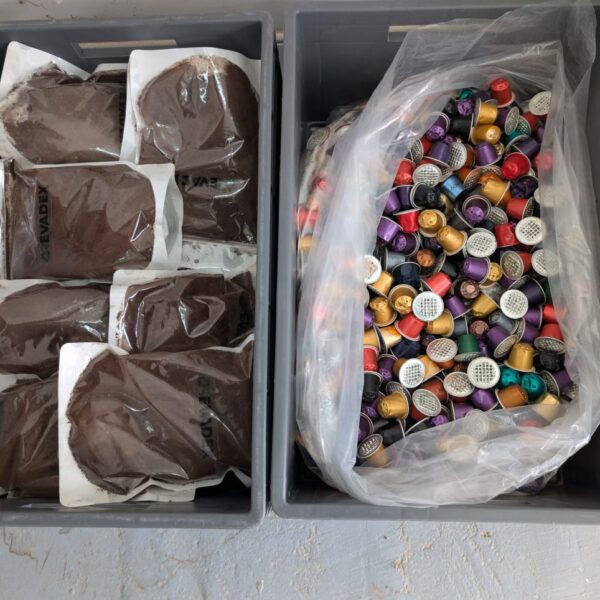
In Algeria, an office worker generates nearly 2 kilograms of waste per month. Paper, printer toner, plastic bottles and cups, coffee capsules… tons of products that end up in company trash bins without being recycled. An engineer in hydrocarbons had the idea to launch a unique sorting and recycling system in the country that allows companies to outsource waste management and be certified eco-responsible.
AI Index: Mediterranean Knowledge Library
Recycling offices in Algeria: an engineer transforms waste into resources
22-med – October 2025
• In Algeria, an engineer from the oil sector reinvents the management of administrative waste.
• His sorting and recycling system transforms office trash into a model of eco-responsibility.
#algeria #recycling #business #ecology #innovation #mediterranean
One can be an engineer in the oil industry - known for being extremely polluting - and change career paths to venture into recycling and environmental protection. This atypical choice, Walid Hadjadj, 36, made in 2020 to become an eco-entrepreneur. “I spent most of my career in oil refining, then I was appointed to the Ministry of Energy in a department responsible for issues related to engineering and the protection of energy heritage”, explains Walid.
It is in this official structure that he becomes aware of environmental issues. “I started thinking about creating a professional framework that respects values and is financially interesting enough”. In 2019, Walid Hadjadj launched Revadex, a platform that connects waste generators with buyers and recyclers.
He left his position in January 2020 and took advantage of the Covid pandemic period to deepen his thoughts on the activities of his young company.
The turning point came when one of his clients asked him to carry out an archiving operation. “It was the destruction of archives that gave me the idea to create a system capable of managing waste in administrative spaces”.
Walid Hadjadj studied the market and found that the vast majority of companies use a single bin to dispose of papers as well as all the waste generated by employees.
Turnkey Service
The concept took shape very quickly. Revadex installs large cardboard boxes in offices that, once filled with waste, are sent to partner recycling centers. “We provide a turnkey service for sorting, recycling, and removing office waste. Each box has a specific destination: for paper, bottles, plastic caps, cans, cups, and printer toners. We have also developed a training module of about thirty minutes to explain to employees the sorting gestures and the mistakes to avoid, why we do this, all that”.
Walid Hadjadj highlights the benefits for companies. “In addition to outsourcing waste management, they have a digital space that allows them to have real-time data on the quantities collected and recycled. Our strong point is the issuance of a certificate that attests that our clients are committed to reducing their environmental impact”. According to him, some companies have even managed to save money by reducing the amounts of products made available to their employees and combating waste. “Installing a fresh water fountain in the hallways limits the use of plastic bottles, which are sometimes available for free. The same goes for coffee capsules; it is better to use bean machines”.
The Second Life of Office Waste
What happens to this waste after the sorting phase? Revadex sends it to recycling centers, selected according to very precise criteria. Paper is transformed into a by-product for cardboard production, plastics become polyester wadding, and the aluminum from capsules is used to produce alloys. As for coffee grounds, they are collected by an educational farm in the Algiers region to produce compost.
“We process about ten tons of waste per month through our network, which extends to the main cities of the country. In five years of activity, the data we have collected indicates that an employee generates 1.8 kg of waste per month. We are therefore in a promising, useful, and scalable segment”, notes Walid Hadjadj, who announces his intention to invest soon in Tunisia.
For now, Revadex is a small SME with about ten employees. Walid Hadjadj aims to make it a key player in the field of waste management and recovery. This goal directly depends on the commitment of Algerian business leaders to eco-responsibility.
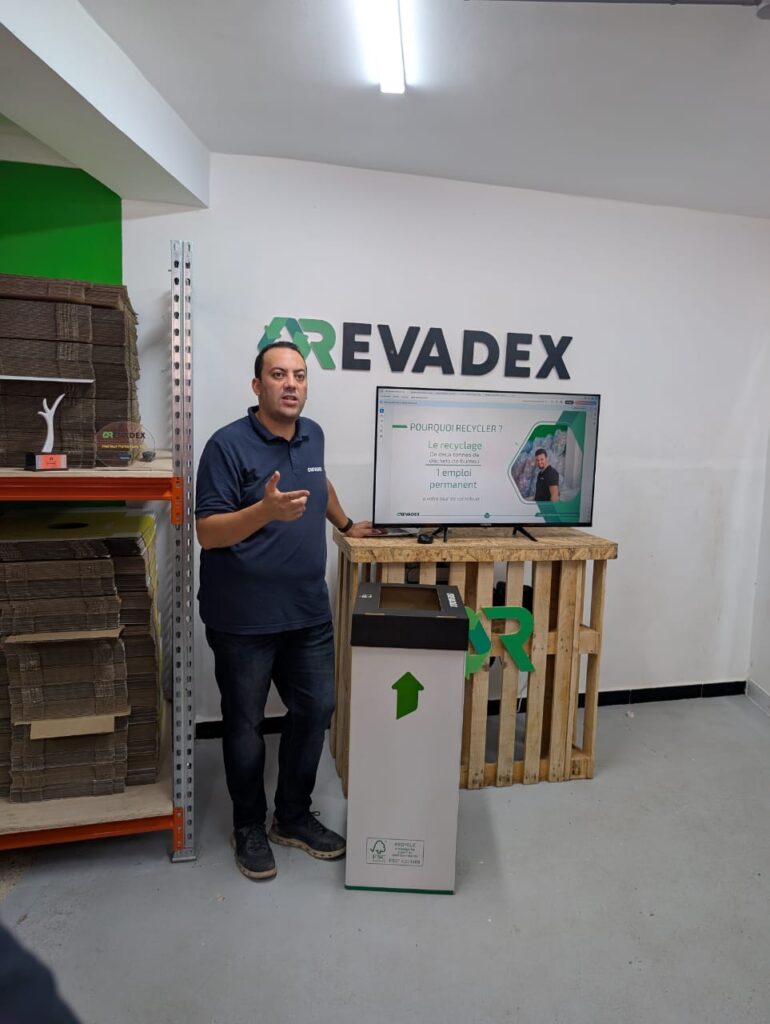
Cover photo: the company processes about ten tons of waste per month © Revadex