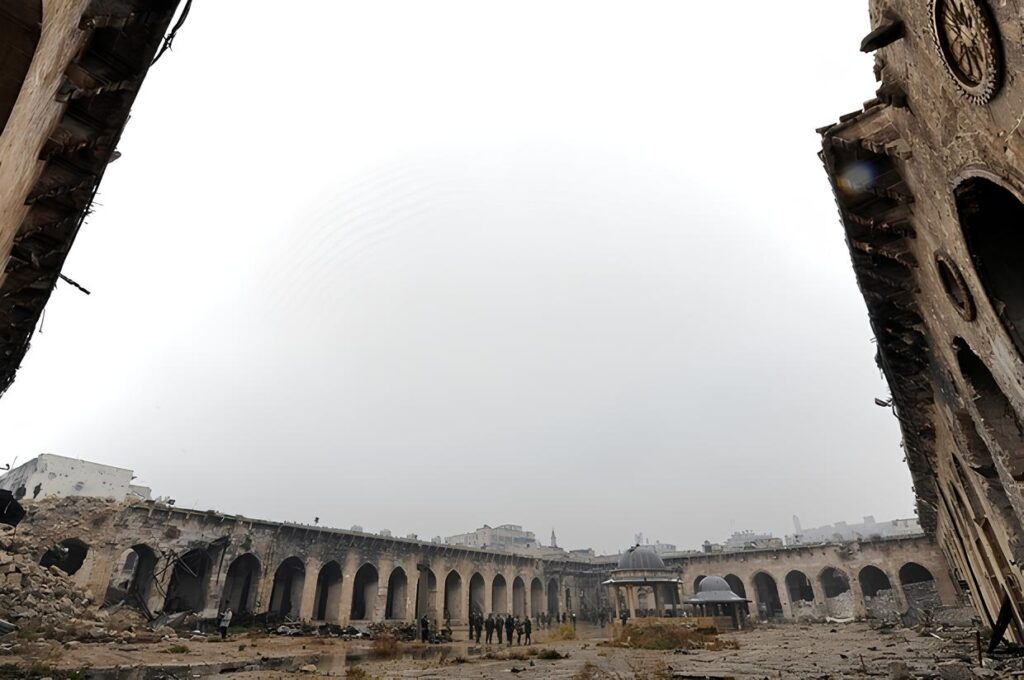
The war has devastated Syria. It has left behind a humanitarian catastrophe and a landscape of desolation. Beyond these emblematic sites, it is the entire intangible Syrian culture as well as remarkable and unique natural sites that have been impacted or have disappeared. Despite a difficult daily life, initiatives are emerging within the population to preserve and restore this invaluable heritage of Syria.
Palmyra, Aleppo, and Damascus, these World Heritage sites, have suffered considerable damage. Supported by international organizations such as UNESCO, or local associations, reconstruction work is underway. In contrast, less publicized, the destruction of natural sites has no structured restoration programs. Yet the impact on wildlife and flora, still poorly evaluated, seems in some cases irreparable. This is the case for the northern bald ibis. Once present in the Syrian Badia, this emblematic species seems to have completely disappeared. The last three known individuals have not been spotted at their usual breeding site in Palmyra since 2014. Located near Aleppo, Jabboul was the only known breeding site for flamingos in Western Asia. Here too, war has certainly played a role in their disappearance.
Endangered Biodiversity
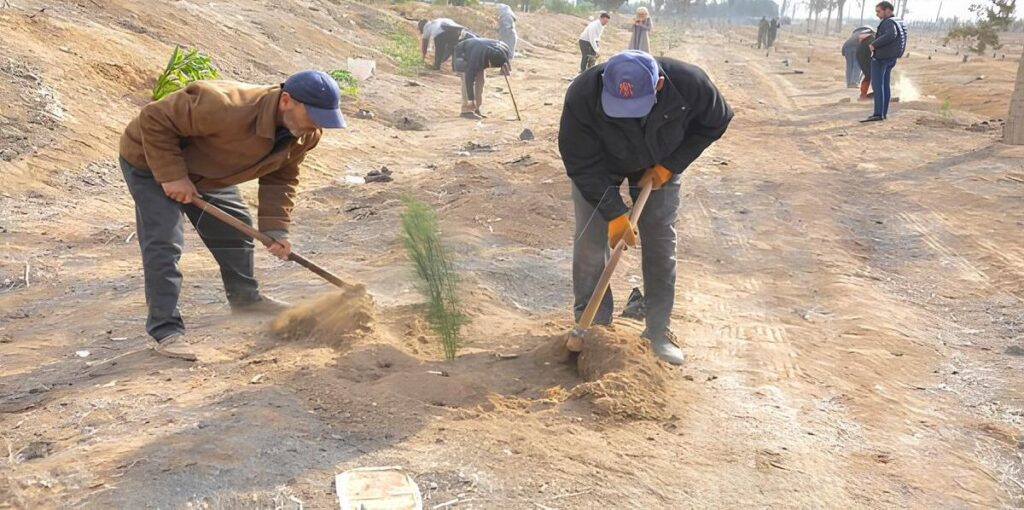
Syria boasts a valuable biodiversity with 125 species of mammals, 394 birds, 127 reptiles, 16 amphibians, and 157 species of freshwater fish identified. Today, this biodiversity is threatened by destruction and lack of investment in restoring their natural habitat. However, despite the challenges, initiatives are emerging, implemented by associations or, more often, by the communities themselves. This is the case of reforestation carried out in Umm al-Tuyour in the Latakia region in December 2021 on the occasion of the International Day of Persons with Disabilities. Moreover, nature enthusiasts continue to share their knowledge and observations. Some environmental projects are ongoing in areas controlled by the regime, such as the project supported by the UNDP aimed at supporting local communities around the Jabboul site or the Euphrates water rehabilitation project.
Cultural Resilience and Local Initiatives
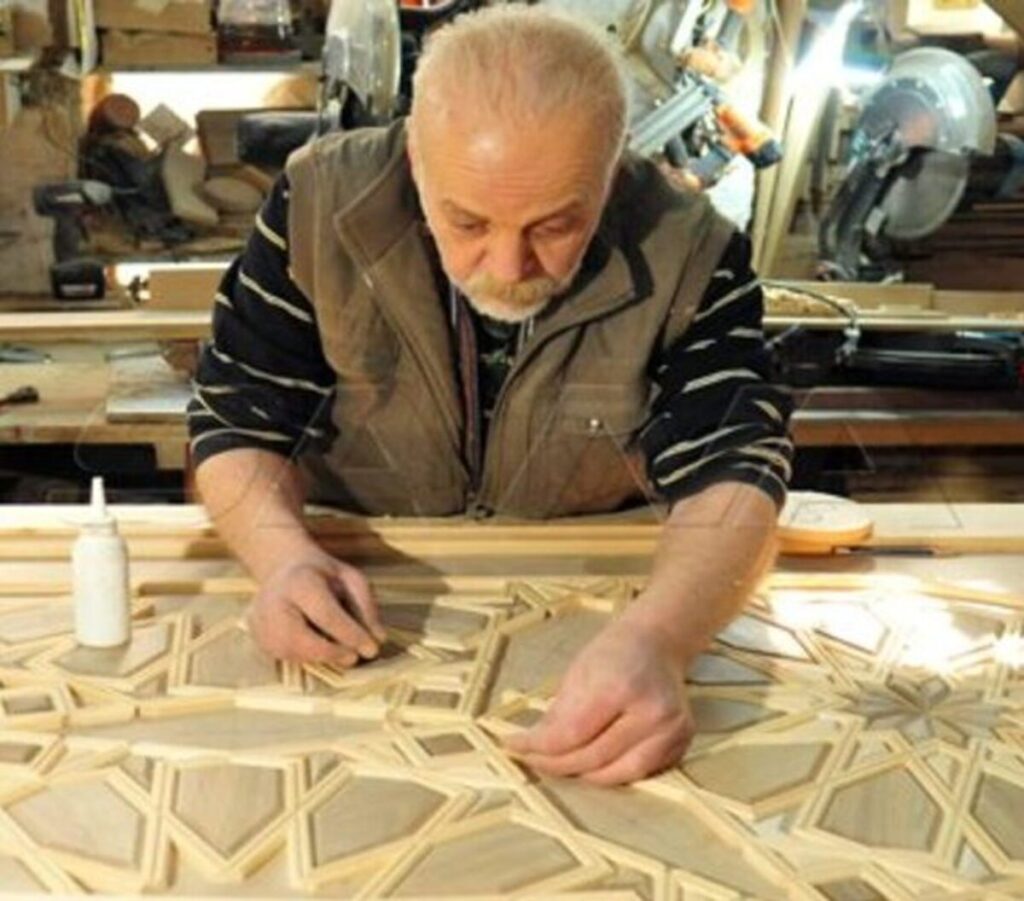
The war has also put the country's culture and traditions to the test. Yet Syrians strive to preserve their heritage and refuse to let their culture die out. Folk dance is displayed everywhere as a symbol of resistance. Groups like Arabesque and Al Sham travel across Syria and around the world, performing ancestral dances like the dabkeh. Far from being mere shows, these performances offer true immersions into the Syrian soul, rekindling the flame of tradition. The preservation efforts are not limited to the stage and culture. Non-profit organizations like Basmat al-Khayr in Damascus and the Syria Trust for Development strive to support Syrian artisans, who are keepers of valuable craftsmanship. Workshops, exhibitions, and markets are organized to allow them to share their skills and sell their creations, ensuring the transmission of these cultural treasures to future generations.
Alep, a Haven of Sanctuary
Another example, Aleppo. A city scarred but never resigned, houses a sanctuary: Al-Najma Heritage House. This cultural center, led by passionate local figures like Hisham al-Mufti, offers workshops and exhibitions that celebrate Syrian craftsmanship and heritage. Music schools and artisan workshops complete this picture. The Higher Institute of Music in Aleppo and the National Conservatory of Music in Damascus ensure the continuity of traditional melodies by training new musicians and organizing concerts and performances. As for the artisan workshops, they pass on the knowledge of the elders to the youth, thus ensuring the survival of traditional crafts.
The challenges of reconstruction
It is difficult to know what these initiatives represent in economic terms; they are mostly carried out by small local associations or individuals struggling in difficult daily life. "We no longer have electricity or running water," laments a resident of Aleppo under the cloak of anonymity*. "We live according to generators and water pumps." To feed themselves, many turn to neighboring Lebanon, where essential products are more affordable. "We buy gas, gasoline, diesel, and food there, then we come back," explains the same resident. Deprived of basic services, they are forced to live in precarious conditions, relying on humanitarian aid and their ingenuity.
An economic abyss
Although 18 times larger, Syria heavily relies on neighboring Lebanon for the essential needs of its citizens, creating a parallel economy that plunges the two nations into an endless economic abyss. "We have no access to foreign currencies, only our relatives working in Lebanon or Western countries can send us some. They are the ones rebuilding the country, but we who live here have no power," says a resident of Damascus. According to the UN, this conflict has resulted in 13 million displaced persons, 2.5 million out-of-school children, and 7.6 million people relying on humanitarian aid. The reconstruction of Syria is a complex process, involving actors with diverse political and economic agendas. The estimated costs of rebuilding Syria (by 2023) vary between 200 and 300 billion dollars, with some estimates going up to 1 trillion. However, no major private or public initiatives have emerged yet due to various obstacles, including international sanctions and a lack of foreign currencies. Therefore, the safeguarding and preservation of all this intangible heritage depend on the Syrians themselves.
*For security reasons, the residents who agreed to testify wish to remain anonymous