In Albania, access to safe drinking water remains a challenge, especially in rural areas and remote villages. According to the official report from the Water Regulatory Authority (ERRU) for the year 2023, only 76.2% of the population benefited from a regular supply through the public network. This is a decrease compared to the previous year. The challenges regarding infrastructure and management are still significant, as existing networks lose more than 70% of the water they transport.
In many areas, the water supply lasts only a few hours a day. This directly affects hygiene, health, the quality of life of residents, and even agriculture.
In response to this situation, small local initiatives, though well thought out, show that change is possible. Among them are well drilling projects and the construction of water supply systems carried out by Islamic Relief Albania, in collaboration with local authorities.
Besmir Mataj, a representative of the association, explains that this project is not new but is part of an ongoing program that started in 2013.” Since then, we have carried out individual well drilling, as well as water supply projects that cover entire villages in areas around cities like Korça, Peshkopia, Shkodra, and Lushnja across the country,” he presents.
“We have utilized natural resources, often starting from free springs in the mountains, to ensure clean water. We have built sewage networks and installed public fountains in villages, ensuring access to water for every family.”
A visible impact
One case that Besmir likes to mention is that of the village of Bulaç in Dibër, where for decades, residents lived without drinking water. “By chance, during a mountain inspection, we found a wetland. We dug a hole and discovered a natural underground water reservoir. We modified it and built a reservoir with a capacity of over 10,000 liters, connecting it to the village network. Fifty years after the development of drinking water networks in the country, this village was also able to benefit from it,” he proudly states.
In the village of Belaj in Dajç, where wells had been destroyed by the earthquake in the 70s, work was also able to be carried out. “With the help of engineers, we redesigned the installation and used pipes capable of withstanding seismic shocks. The system was connected to the main reservoir of the village, and families once again have drinking water,” explains Besmir Mataj.
A project that changes lives
Another area where Islamic Relief Albania has been active for many years is in providing assistance to Albanian orphans. “Currently, over 1200 children benefit from regular financial support from the foundation through our sponsorship programs,” says Besmir Mataj. It is therefore natural that the projects for providing drinking water quickly intersected with their needs and those of their families. The children have, in most cases, lost their father, but it also happens that they have lost both parents. They then live at home and are taken care of by their grandparents or relatives.
“During field visits, we asked questions about health, education… But also about living conditions, where a major issue remains the lack of drinking water. Many orphans were forced to get it from others or went without water. We initially started with them, but then we closely collaborated with local authorities to identify other families in need. We requested official lists and conducted field checks, ensuring that wells were installed where there is a real need.”
This observation gave rise to the idea of drilling individual wells, a simple system to implement that allows for quick supply to these families. “During field visits, we assess living conditions, land, well depth, and the actual need for drinking water,” indicates the organization’s representative. In 2023, Islamic Relief Albania drilled about twenty wells in remote areas of the Tirana district, providing access to clean water for dozens of families in need, most of whom host orphans. “The main request from families concerns the lack of drinking water. We ensure that each project meets this need,” he adds.
These achievements show that even small investments, when made with a plan and in collaboration with the community, can have a significant impact on people's lives. For families who have suffered for decades from the lack of water, it is not only a fundamental need that is met but also a hope for a better future.

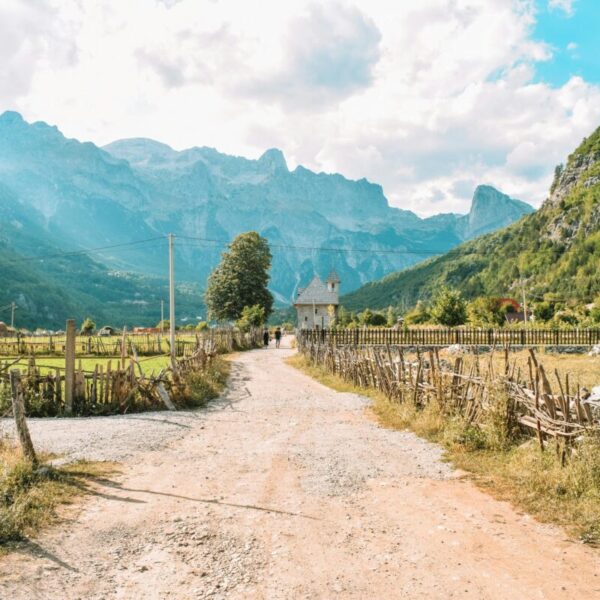
Featured Photo: Theth, an isolated village in the Shkodër region ©Tik Rudari - Pexels