Images of the Mediterranean are often associated with biodiversity erosion, pollution, or the effects of climate change. However, behind these very real observations, another story is being written. When habitats are protected, human activities are better regulated, and scientific knowledge advances, ecosystems gradually regain their balance. Seagrass beds are being restored, previously unknown reefs are being preserved, and iconic species are reappearing. These developments remain fragile, but they show that marine environment restoration can yield tangible results.
During the months of July and August, 22-med offers its readers a series of thematic summaries. The goal is to explore a single issue through experiences, initiatives, and complementary perspectives from both sides of the Mediterranean. Thursday articles gather interviews with scientists and articles created with partner Mediterranean media. The entire collection is available in the media's 11 languages.
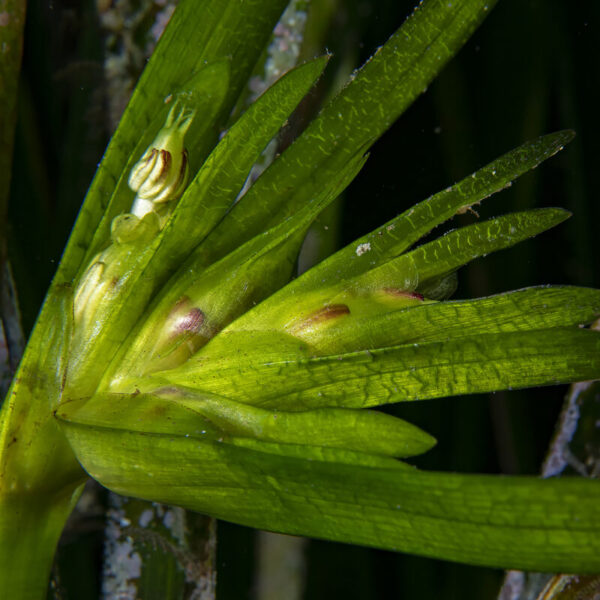
Posidonia or "the intimacy" of a living seagrass bed, Olivier Martocq - France
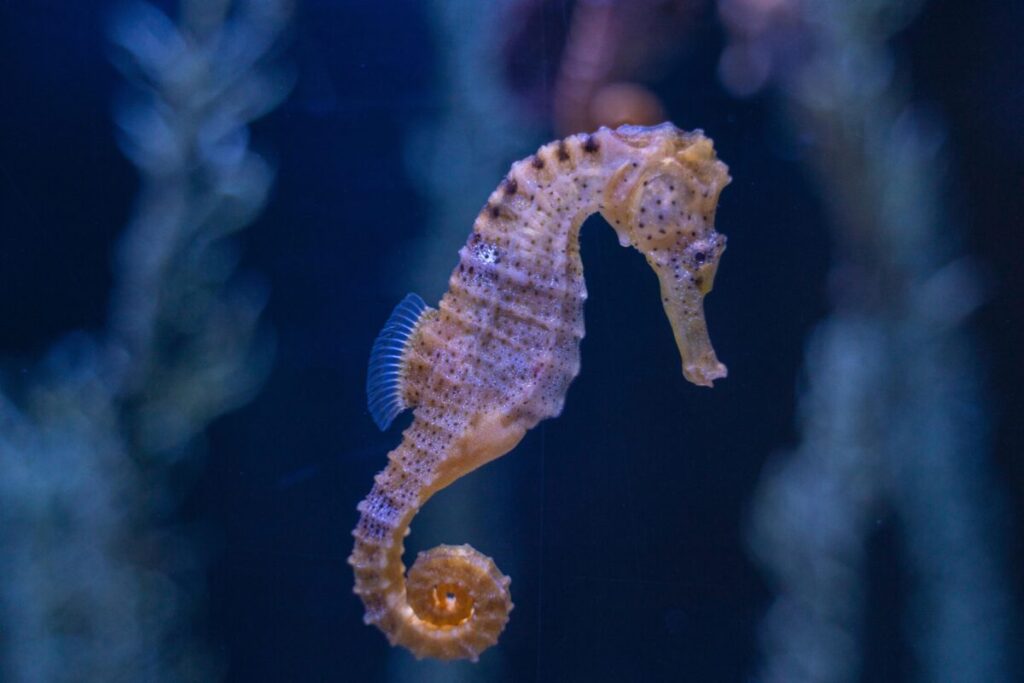
The seahorse, a sign of biodiversity restoration in the Mediterranean, Olivier Martocq - France
An unexpected discovery off the Foúrni islands, Olivier Martocq – Greece
The restoration of ecosystems is rarely spectacular. It is often measured by almost imperceptible changes that only become visible after several years of effort. A seagrass bed that expands again, species returning to occupy their habitat, or seabeds finally protected tell the same story. When pressures on environments are reduced and they are given time, biodiversity gradually finds its place again.
Seagrass beds, the invisible foundations of biodiversity
Beneath the surface, Posidonia seagrass beds play an essential role in the balance of the Mediterranean. They produce oxygen, capture carbon, stabilize the seabeds, and serve as shelter or nursery for a multitude of species. Yet, their importance often remains unknown to the general public.
Photographer and diver Nicolas Barraqué has chosen to reveal all their richness through two years of observations around Porquerolles and the Giens peninsula. His work highlights a world of great complexity, where photography also becomes a scientific tool. Some of his images have helped identify unknown behaviors or confirm the presence of species never before recorded in the Mediterranean. Over the decades, he has also observed the positive effects of protection policies: improved water quality, the return of groupers, regular reproduction of gorgonians, or the limitation of destructive anchoring.
His perspective invites us to move beyond an exclusively catastrophic view of the Mediterranean. Without denying the threats facing this sea, he reminds us that preservation policies implemented over several decades are already producing visible results when ecosystems have the necessary time to regenerate.
Restoring an Ecosystem, a Collective Work
In Six-Fours-les-Plages, in the Brusc lagoon, the disappearance of more than 99% of the seagrass beds in the early 2000s profoundly disrupted the entire ecosystem. Along with it, many species disappeared, including the seahorse, which became the emblem of the site.
For several years, scientists, local authorities, associations, protected area managers, and residents have been working together to restore this lagoon. The actions are numerous: limiting human pressures, transplanting seagrass beds, reintroducing sea cucumbers to regenerate sediments, improving sanitation equipment, and regulating anchoring. Each of these measures aims at the same objective: recreating favorable conditions for the sustainable return of biodiversity.
The first results are already appearing. Seagrass beds are gradually recolonizing certain areas, pipefish have been observed, and a young seahorse was recently spotted in the lagoon. More than just a symbol, this reappearance demonstrates the ability of an environment to gradually regain its function when the causes of its degradation are addressed.
Discover to Better Protect
Not all restorations begin on degraded sites. In the Aegean Sea, it was a scientific discovery that led to the protection of an ecosystem that had been largely ignored until then.
Alerted by local fishermen, researchers uncovered, at more than a hundred meters deep around the Fourni archipelago, significant coralligenous reefs. True underwater animal forests, these formations offer a refuge to exceptional biodiversity but remain particularly vulnerable to bottom trawling. Explorations conducted with underwater robots and then by Under The Pole divers revealed the richness of these habitats and their scientific interest, notably with the discovery of sponges producing molecules with antibacterial properties.
This adventure illustrates the complementary role of local knowledge, research, and citizen mobilization. The information provided by the fishermen guided the scientists, the images raised public awareness, and the results ultimately led Greece to create, in 2025, a 430 km² marine protected area around Fourni. A decision that now ranks these reefs among the country's best-protected marine areas.
Restoring the Mediterranean, Step by Step
The three experiences presented show that biodiversity restoration never relies on a single solution. It requires time, scientific knowledge, financial resources, sometimes restrictive rules, and cooperation among many stakeholders.
They also remind us that Mediterranean ecosystems possess a resilience capacity that is often underestimated. When a seagrass bed is preserved, when a lagoon regains its balance, or when a reef finally benefits from protection status, life gradually reclaims its place. Restoration is not about artificially recreating nature, but about providing it with the necessary conditions to allow it to, as much as possible, rebuild itself.
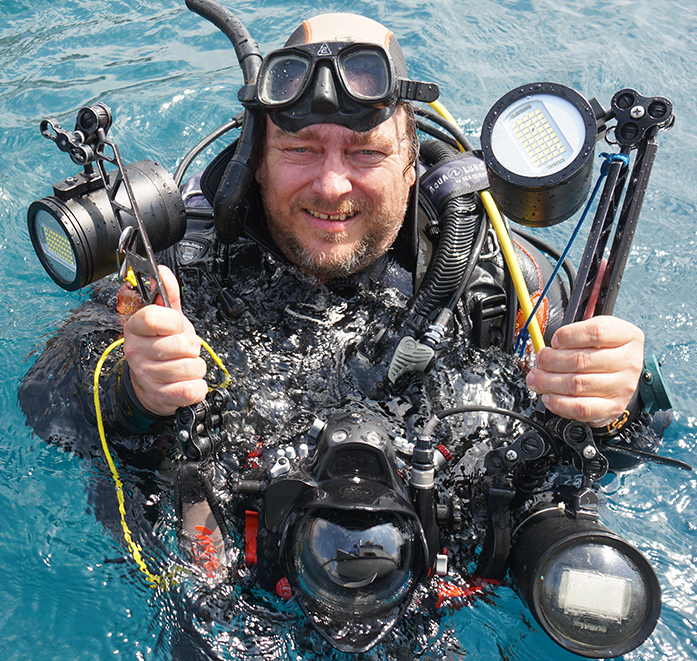
Nicolas Barraqué A diver since 1979, photographer since 1984, author, publisher, and graphic designer, Nicolas Barraqué is a central figure in the Mediterranean underwater world. Former president of the Déclic Bleu Méditerranée association, founder of the publishing house Turtle Prod (around forty books), director of the magazine Plongez !, he also initiated Galathéa, which in ten years has become a major event in marine culture in France.
His career is also marked by a global innovation: the technique of underwater panoramic photography, used to reconstruct entire wrecks in a single image without distortion – including that of the Rubis. This achievement earned him the Trident d’Or in 2021, an award from the International Academy of Underwater Sciences and Techniques.
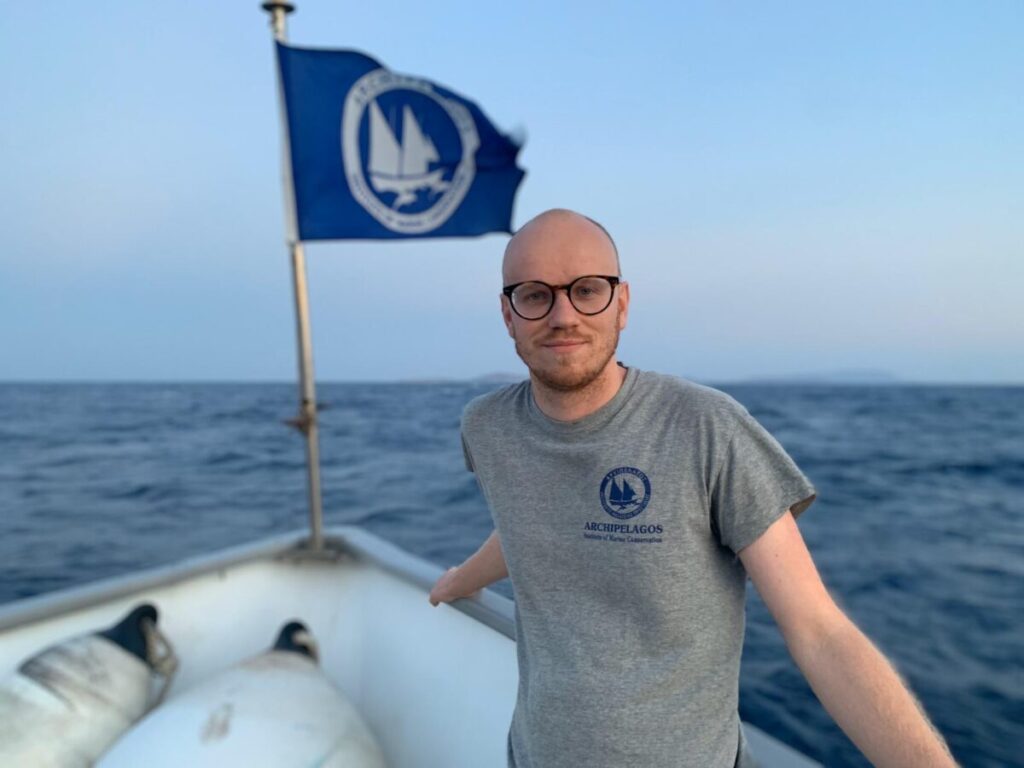
Tim Grandjean is leading the project Protecting Aegean Coralligenous. He is a researcher at the Archipelagos Institute of Marine Conservation and a PhD candidate at the Royal Dutch Institute of Sea Research.
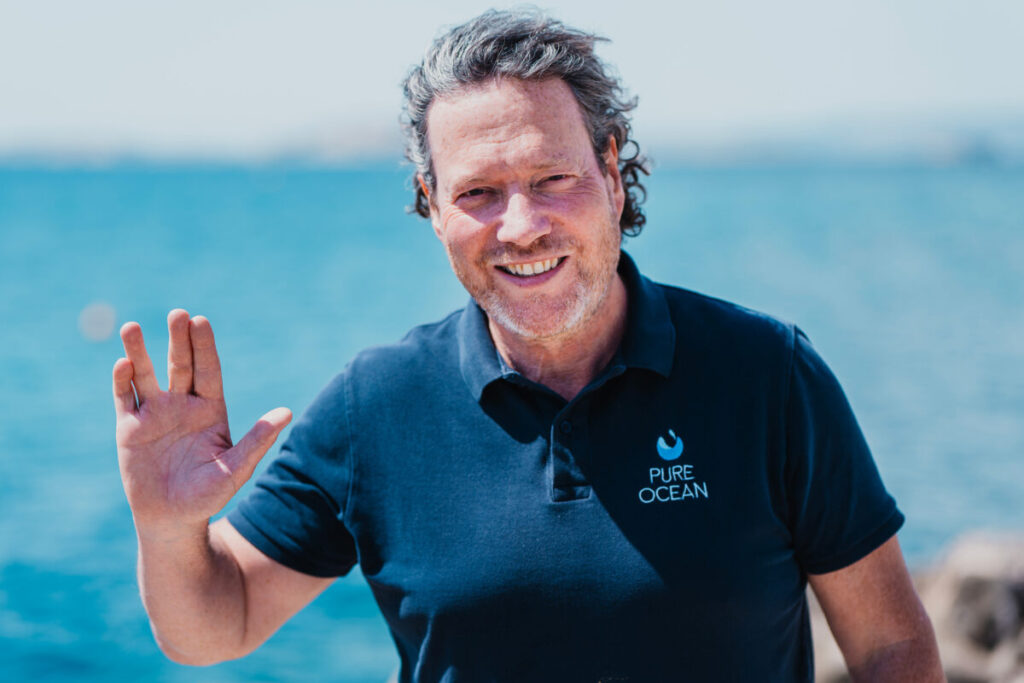
David Sussmann President of Seafoodia and president-founder of Pure Ocean, David Sussmann created Seafoodia in 1996 in Rhode Island (United States), before expanding the company in Europe. Specializing in the international distribution of seafood products, it now exports to more than 70 countries.
Throughout his business travels, he became aware of the degradation of marine environments and founded the NGO Pure Ocean in 2017 to support scientific research dedicated to protecting fragile marine ecosystems and biodiversity.
Cover photo: Posidonia Flower © Nicolas Barraqué