Mediterranean cuisine is often associated with an ancient heritage, recipes passed down from generation to generation, and iconic products. Yet, it has never stopped evolving. Today, climate change, new consumer expectations, and challenges in the agricultural world are accelerating these transformations. All around the Mediterranean, chefs, producers, and residents strive to keep their traditions alive without freezing them, convinced that yesterday's recipes can still address today's challenges.
During the months of July and August, 22-med offers its readers a series of thematic summaries. The goal is to explore a single issue through experiences, initiatives, and complementary perspectives from both sides of the Mediterranean. This article is a synthesis of three reports published by 22-med, available in the media's 11 languages.
Heatwave in the kitchen: the Mediterranean draws inspiration from Africa, Nathania Cahen - France
Albanian cuisine brought back to the forefront, Rajmonda Basha - Albania
The "Hesperides" keep traditional flavors alive, Kelly Fanarioti - Greece
The three initiatives presented here are very different. One stems from a reflection on food in the face of high temperatures, another revives a long-neglected gastronomy, and the third relies on a women's cooperative to preserve local know-how. However, all demonstrate that tradition is not preserved in cookbooks but in daily practices.
Adapting cuisines to the changing climate
Heatwaves are already altering agricultural production conditions throughout the Mediterranean basin. For both chefs and producers, it is becoming necessary to imagine new ways of cultivating, cooking, and consuming.
In Marseille, the Cheffes! festival dedicated part of its program to this issue by inviting agronomists, chefs, and African producers. The exchanges highlighted crops particularly suited to arid climates, such as millet or cowpea, capable of growing with little water. They also reminded that some African culinary practices have long relied on energy sobriety, the full use of products, and a more measured consumption of meat.
The challenge is not to import a model but to observe territories long confronted with extreme temperatures to draw useful lessons for Mediterranean regions.
Restoring a place for local flavors
For years, Albanian cuisine suffered from the competition of foreign models deemed more modern. In many restaurants, pizzas, pasta, or kebabs gradually replaced traditional recipes.
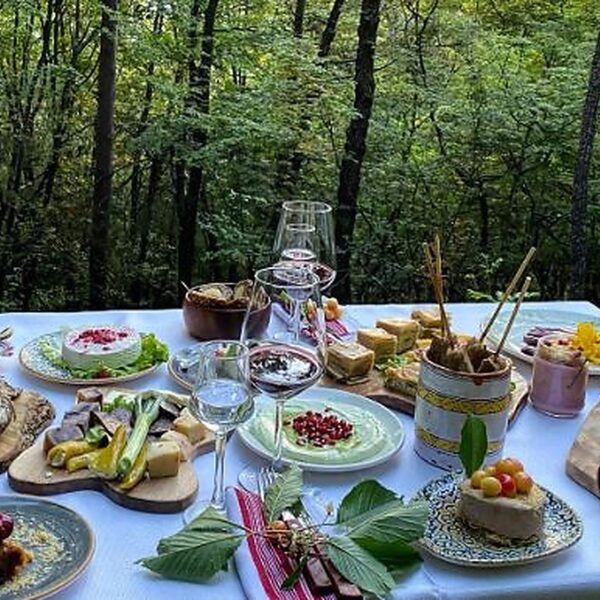
A new generation of chefs is reversing this trend today. Restaurateurs like Ismet Shehu or Bledar Kola are bringing Albanian specialties back to the forefront of their menus by working directly with local producers. Ingredients become the starting point of a sustainable relationship between agriculture, dining, and tourism.
This evolution also benefits rural areas. Visitors now seek culinary experiences linked to the identity of the regions they explore, while short supply chains offer new opportunities for agricultural enterprises. Thus, gastronomy regains an economic as well as cultural function.
Preserving the practices that define a region
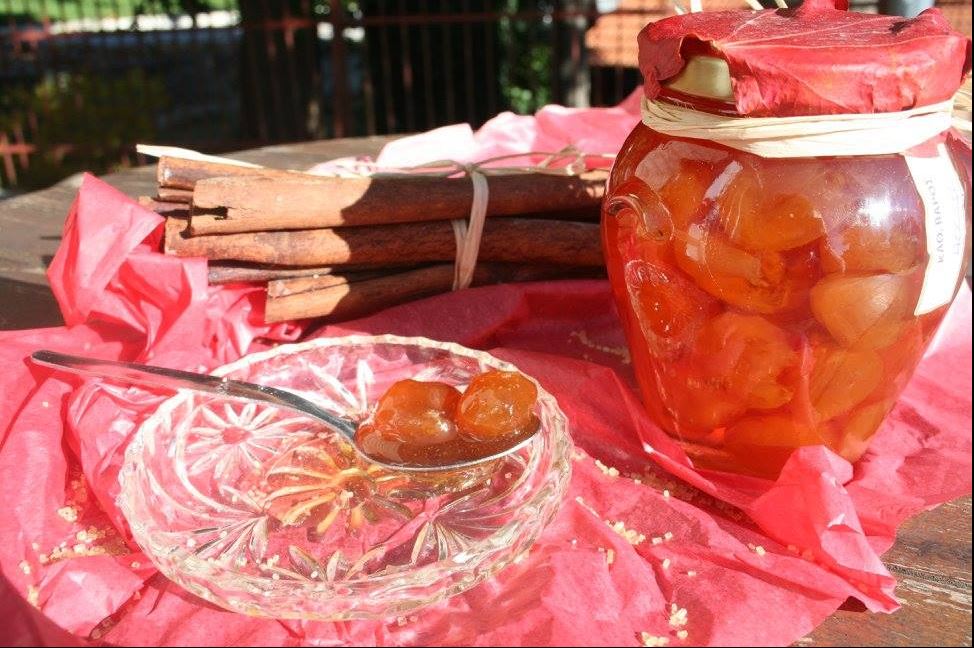
In the Greek village of Vizitsa, on Mount Pelion, the women's cooperative "Hesperides" pursues a similar goal, but on a different scale. For fourteen years, its members have been making jams, preserves, liqueurs, and pastries according to recipes passed down from their mothers and grandmothers.
Their approach is not just about selling artisanal products. It helps maintain agricultural knowledge, manufacturing practices, and local varieties in a region facing an aging population, labor shortages, and the consequences of extreme weather events.
The village's tourism success brings new opportunities, but it does not change the reality of daily work. Small plots, mountain farming, and harvests weakened by bad weather impose demanding conditions. The cooperative shows that it is possible to preserve culinary heritage without turning it into a mere folkloric object.
A tradition that continues to evolve
Mediterranean cuisine has never been static. It evolves with agricultural developments, cultural exchanges, climatic constraints, and societal expectations. This constant movement allows it to maintain its identity without giving up innovation, making the plate a place where memory, transmission, and adaptation meet. It preserves the memory of the regions while remaining capable of integrating new practices, new products, and new ideas. It is this capacity for evolution that allows it, even today, to remain a living element of Mediterranean heritage.
Featured Photo: Albanian specialties brought back to prominence © Mullixhiu