For a long time, the energy transition was presented as a matter of technologies and investments. But on the ground, it is also built from very concrete constraints. Droughts, land tensions, biodiversity protection, dependence on a single energy source, or residents' expectations now force territories to adapt their strategies. Three experiences conducted in Albania, Israel, and the Italian Alps show that producing cleaner energy also requires finding new balances.
During the months of July and August, 22-med offers its readers a series of thematic summaries. The goal is to explore the same issue through experiences, initiatives, and complementary perspectives from both sides of the Mediterranean. This article is a summary of three reports published by 22-med, available in the 11 languages of the media.
Energy Stability: The Photovoltaic Bet of the Balkans, Rajmonda Basha – Albania.
The Overheated Negev: The Rise of Solar Crystallizes Tensions, Caroline Haïat – Israel.
In the Italian Alps, Hydroelectricity Faces the Climate, Valentina Saini – Italy.
No Mediterranean region approaches the energy transition under the same conditions today. Some seek to break free from long-standing dependence, others must cope with the effects of climate change or meet the expectations of populations who wish to be fully involved in planning decisions. Behind a common goal of decarbonization, trajectories remain deeply linked to local realities.
Diversifying Sources to Strengthen Energy Security
In Albania, the transition is primarily a necessity. For decades, the country has produced most of its electricity through hydroelectricity. A model long considered exemplary, but repeated droughts make it increasingly vulnerable. When precipitation decreases, production drops, and the country must import more electricity, with direct consequences on its economy.
The Karavasta photovoltaic park, built by the French company Voltalia, illustrates this desire for diversification. With its 140 megawatts of capacity, it has become the largest solar park in the Balkans. It provides electricity to about 220,000 inhabitants while avoiding several tens of thousands of tons of CO₂ emissions each year. Beyond its energy dimension, the project has created local jobs, enhanced the country's economic attractiveness, and bolstered Albania's European ambitions.
This evolution reflects a deeper change. The goal is no longer just to produce renewable energy but to build a more resilient system by combining multiple electricity sources to better withstand climatic hazards.
When Energy Transition Meets Social Challenges
Thousands of kilometers away, in the Negev Desert, the challenge is of a different nature. With one of the best sunshine rates in the world, this region is the heart of Israeli solar development. Photovoltaic fields and infrastructures are multiplying to support the country's energy ambitions. But this expansion quickly reveals other issues. Bedouin communities denounce new pressure on their lands, while ecologists worry about the consequences on particularly fragile desert ecosystems. The development of renewable energies is therefore not just a technical equation. It requires balancing electricity production, landscape preservation, biodiversity protection, and recognition of local populations' rights.
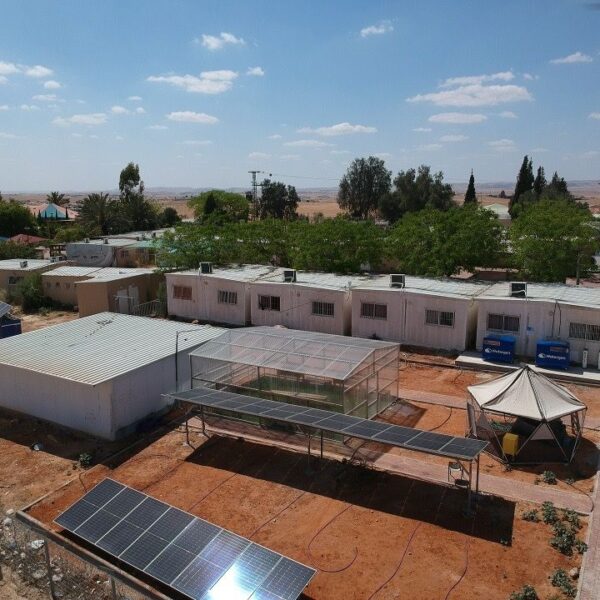
However, several initiatives show that another balance is possible. Solar panels are installed on public buildings or in Bedouin villages, agrivoltaics is being experimented with to combine agricultural and energy production, while some communities reinvest the income from their electricity production into local projects. These experiences remind us that the success of the transition also depends on the residents' support and their ability to share in the benefits.
Adapting Infrastructures to a Changing Climate
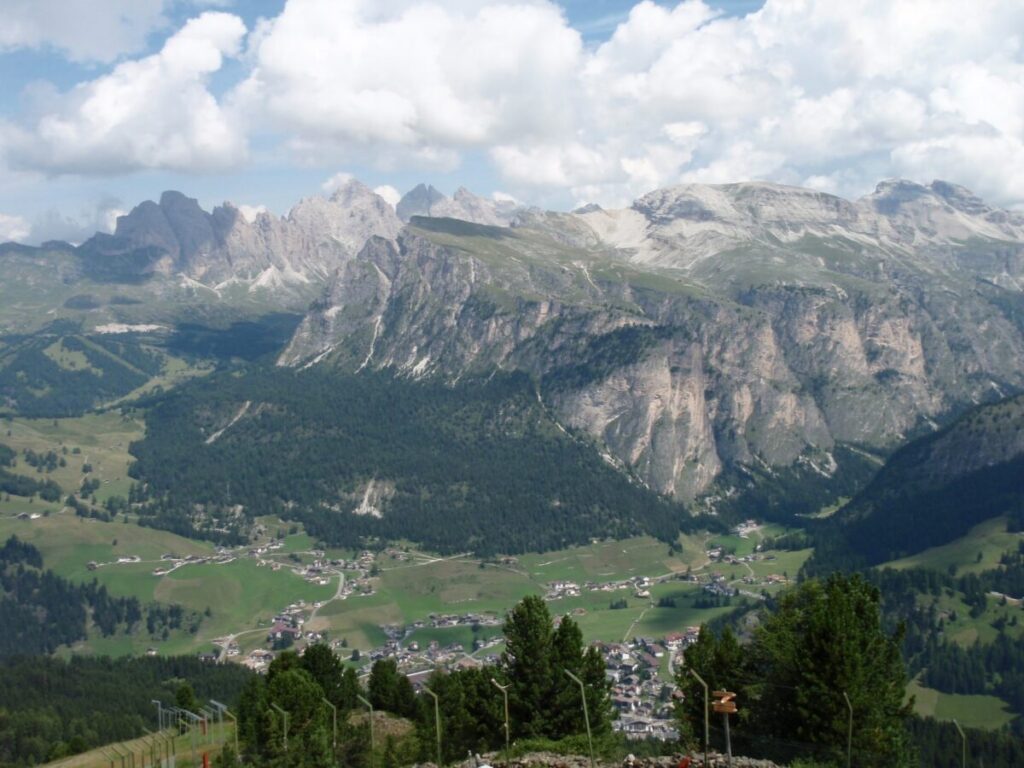
In the Italian Alps, a century-old energy model is gradually being questioned. Trentino-Alto Adige built much of its development on hydroelectricity, taking advantage of the abundance of water and the Alpine terrain. But the accelerated melting of glaciers, reduced snowfall, and drought episodes are profoundly altering this balance.
The decline in hydroelectric production observed in recent years illustrates this new reality. Operators are now investing in pumping systems, digital tools capable of anticipating changes in water reserves, and more precise management of available resources. Innovations developed by specialized companies allow for better prediction of critical periods and adaptation of installation operations.
Building New Balances
This adaptation does not concern only electricity producers. Communities, researchers, and residents are also involved in monitoring water resources and protecting natural environments. The energy transition here joins a broader reflection on the management of territories facing the effects of climate change.
The energy transition is not just about replacing thermal power plants with solar panels or dams. It requires rethinking land use, water sharing, the role of residents in decision-making, and how to anticipate a more unstable climate. Each territory deals with its own heritage and constraints. The emerging solutions draw less of a universal model than a mosaic of experiences, of which the Mediterranean is today a remarkable laboratory.
Cover Photo: The Arava Institute has created an off-grid hub based on a collaborative framework between water, energy, and food at Al Furaa ©-Shlomi-Amsalem