The company ENDIALE enters a new phase of development, driven by a strategy focused on innovation, infrastructure, and international openness. With a management system that reduces pollution and protects public health, it confirms Greece's position among the leading players in Europe in the management of used lubricating oils.
22-med partners with the Greek media ESGstories and publishes a selection of articles on Thursdays for a scientific perspective on Mediterranean issues.
By Faidra Mavrogiorgi
With a clear strategy focused on innovation, infrastructure, and international openness, ENDIALE enters a new phase of development, confirming Greece's leading role in the management of used lubricating oil waste at the European level.
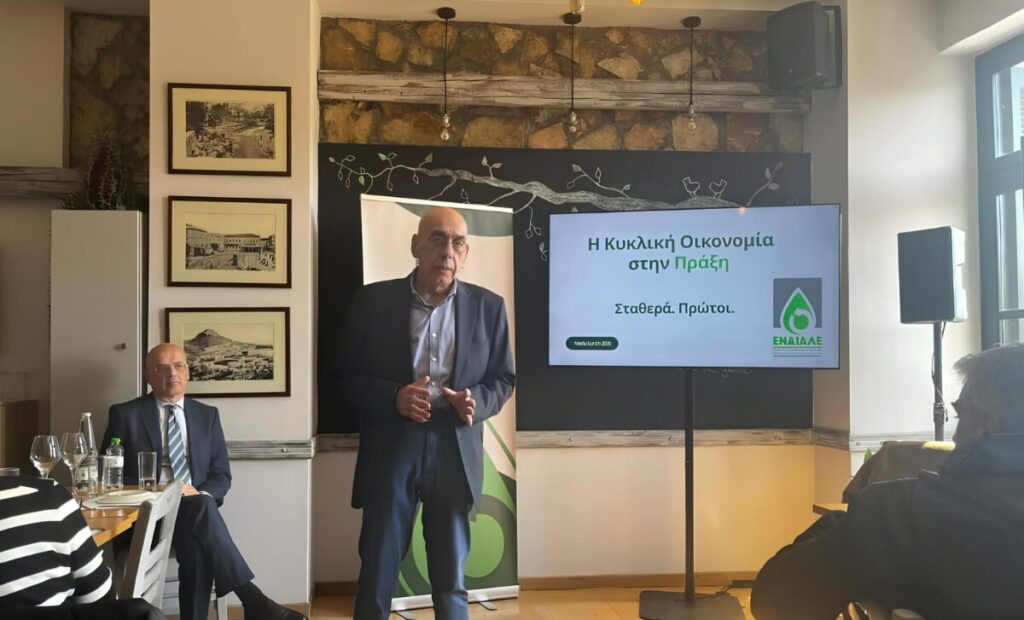
“We are first in management across Europe, and this is something we have achieved through systematic work,” said the CEO of ENDIALE S.A., Giorgos Deligiorgis, emphasizing that the upcoming period will be accompanied by new activities, innovations, and pan-European initiatives.
According to the data presented, out of 38,610 tons of lubricating waste, 31,448 tons were collected, representing 81% of the produced used oils, exceeding the national collection target by 16%, while 100% of them were directed towards regeneration (with a national target of 70%).
A key point of ENDIALE's strategy is the digital transformation of management. The company has completely replaced handwritten records with a digital application, while equipping collectors with tablets.
“We have fully replaced handwritten records with a digital system that gives us real-time visibility,” Mr. Deligiorgis indicated, specifying that the application is already widely used.
This transition allows for immediate supervision of waste tracking, enhancing transparency while leading to significant environmental benefits, such as saving approximately 160,000 sheets of paper per year and reducing carbon emissions by 1 to 1.2 tons.
ENDIALE's management system includes about 45,000 registered points, of which 20,000 to 25,000 are active.
“Greece has the lowest cost for waste producers and, ultimately, for consumers, thanks to the expertise of the sector,” he emphasized.
The management cost amounts to about 18 euros per ton, which is up to four times less than in other European countries, while 100% of the lubricating oils placed on the market are recycled.
Investments in Infrastructure and Quality Control
Strengthening infrastructure is a key pillar of development, with the company advancing on new projects in strategic areas of the country.
“We have already acquired a site in the industrial zone of Kavala and are in the environmental studies phase for the transfer of the collection center,” said the head of ENDIALE.
At the same time, the Thessaloniki center is evolving towards ownership status, with the goal of modernization, while total investments in infrastructure and innovation are expected to exceed 1 million euros.
Meanwhile, the company is enhancing the quality control of used oils by investing in modern analysis equipment.
European Networking and Strategic Partnerships
In the field of international collaborations, ENDIALE is expanding its presence in Europe through high-value partnerships.
“We have initiated cooperation with the Italian system CONOU for the exchange of know-how and joint actions, with the next step being the signing of a memorandum of understanding,” said Mr. Deligiorgis.
In parallel, a pan-European initiative is being promoted to map the waste situation, reinforcing Greece's role in policy-making.
Why Recycling Used Oils is Crucial for the Environment and Health
Behind the performance lies the essential impact on the environment and society.
Used lubricating waste can cause serious pollution of soils and waters, while also affecting the atmosphere. Their proper management contributes to:
- avoiding pollution of water surfaces equivalent to that of the island of Euboea
- preventing the circulation of approximately 27,000 tons of hazardous waste each year
- reducing CO₂ emissions equivalent to 9.5 million trees
Used oils contain hazardous substances, such as heavy metals and polycyclic aromatic hydrocarbons, associated with serious diseases.
Organized management acts as an essential protective mechanism, reducing suspended particles by 74% and carcinogenic emissions by 96.8%.
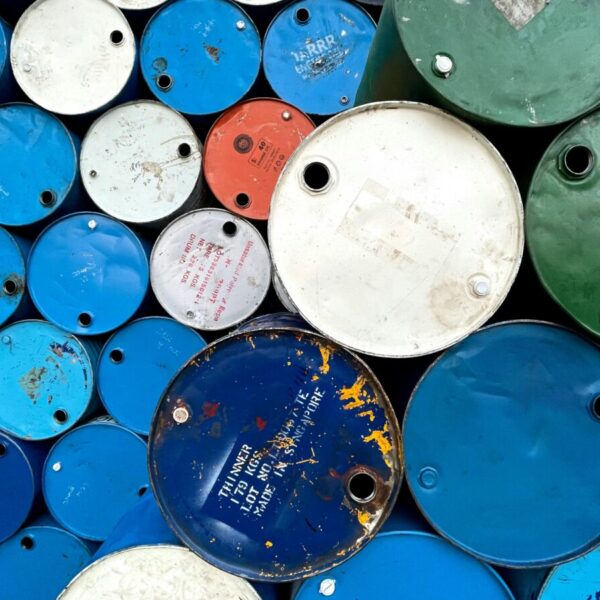
Featured photo: used oils are collected before treatment © Tony Wu - Pexels