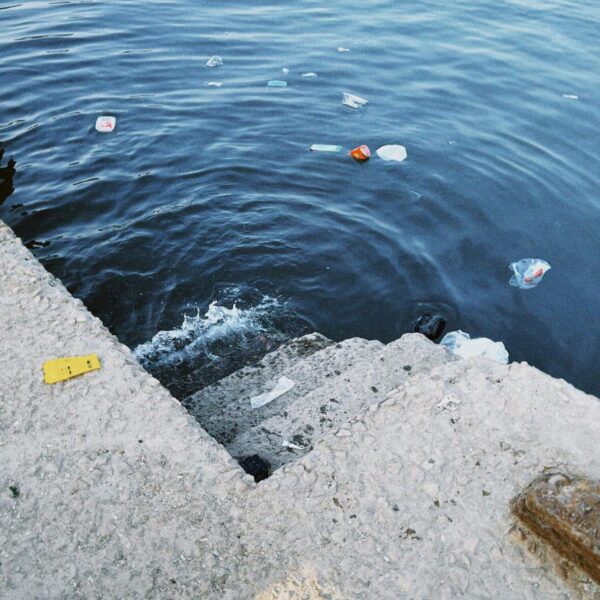
As the laboratory ship Plastic Odyssey prepares to return to France after three years around the world, its crew comes back with a wealth of concrete examples of recycling sectors identified notably during the first four Mediterranean stops of its journey: Beirut, Alexandria, Bizerte, Tangier. Meanwhile, in Marseille, the 10th cleanup operation led by 1 Déchet par Jour revealed an unexpected fact: fewer waste items were collected. A sign of a shift towards more effective solutions and more virtuous citizen behavior?
AI Index: Library of Mediterranean Knowledge
22 med pap plastics
From citizen collection to industrial sectors, the battle against plastic is scaling up
22-med – February 2026
• In Marseille, the "1 Déchet par Jour" operation notes fewer waste items collected, a sign of a cultural shift made measurable by data.
• From Beirut to Bizerte, Plastic Odyssey identifies Mediterranean sectors where plastic becomes a resource, provided there is a replicable economic model.
#plastic #recycling #waste #circulareconomy #mediterranean #data #pollution #initiative #industry #citizen.
By Olivier Martocq - Journalist
Let's start with the positive news of this beginning of the year. On Sunday, February 15, during the cleanup of the iconic hill overlooking the city with the Basilica of Notre-Dame de la Garde at its summit, volunteers from the association 1 Déchet par Jour had a surprise: “There wasn't much to collect,” observes Gaël Barat, in charge of waste characterization. Fewer cigarette butts, fewer visible packaging. For Georges-Édouard Legré, co-founder of the association, the ongoing change is cultural: “What seemed like normal behavior, like throwing your cigarette butt or empty beer can wherever you are, is becoming abnormal, and you risk ending up on social media when this act has been filmed.” Since 2019, data collected with MerTerre via the Zero Wild Waste platform allows for precise measurement of the volumes and materials collected. “We map the hotspots and check if the measures taken by local authorities, like installing an ashtray, adapting a bin, modifying a collection frequency… are effective,” explains Teo Juričev, data mission officer. In 2026, the action becomes measurable, quantifiable!
After the cleanup, the question of sectors
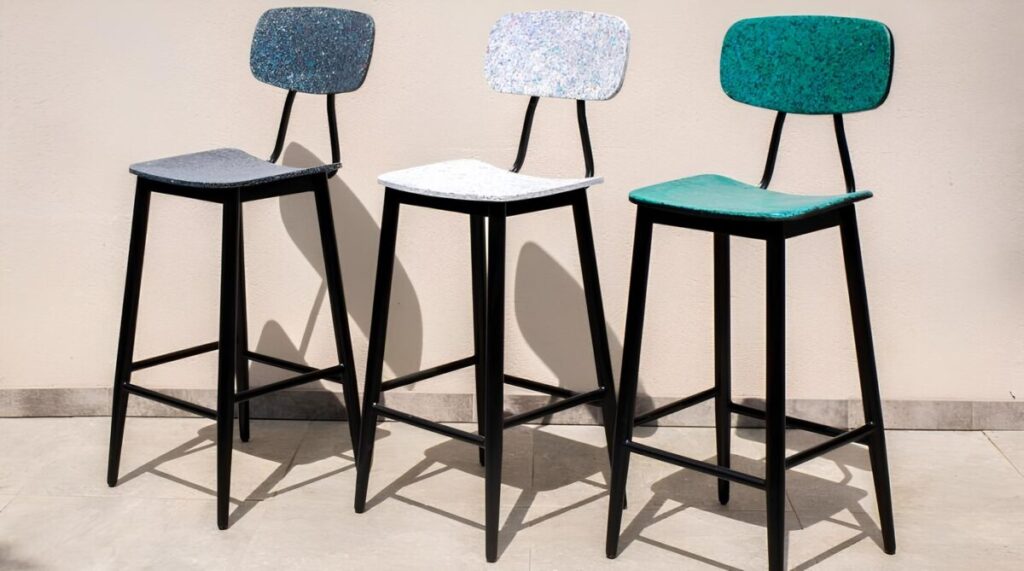
“Once again, citizens did the work. But then?” questions a Marseille volunteer as he closes his bag. This is precisely the question that now structures the fight against plastic. Because collecting is not enough: it is necessary to transform. In Marseille, local companies are valorizing plastics, cans, and cigarette butts. “Waste becomes secondary raw material, structuring the local circular economy. If the sector is solid, it doesn't end up in the sea,” summarizes Georges-Édouard Legré. It is this logic that Plastic Odyssey has explored for three years. Departing from Marseille at the end of 2022, the 40-meter laboratory ship has made 45 stops in the regions most affected by plastic pollution. In Dakar, the current and final stop before returning, fourteen micro-factories are transforming waste into boards or furniture. “Here, we heat the plastic, it becomes paste, then we work it like wood,” describes a technician on site. But for Benoît Blanchet, in charge of deployment, the challenge goes beyond technique: “If you want to build a factory, you can fund it through philanthropy. If you want to build a thousand, you need an economic model.” Structuring a viable sector relies on replicating successful examples at the local level, training entrepreneurs, and managing robust micro-units as franchises. “Innovation lies in the structuring of sectors,” he insists. Anna Kalifa, project manager, reminds us of the magnitude of the challenge: “About 20 tons of plastic enter the oceans every minute. Raising awareness among the French by showing that their waste can end up on a beach in Kenya is essential.”
Mediterranean: five stops, dozens of initiatives
During its Mediterranean stops, the crew has identified and documented local sectors presented on its website in the form of short articles. In Lebanon, in the Bekaa Valley, refugee women transform plastic bags into thread to make bags that are then sold. In Beirut, a designer grinds used shisha tips to create bowls and coasters in a terrazzo style: “Showing that waste can become decorative,” he explains. In Egypt, VeryNile collects 10 tons of plastic bottles monthly with Nile fishermen and develops textile products from aggregated plastic. In the Zabbaleen neighborhood, 75,000 people process two-thirds of Cairo's waste through an ecosystem combining sorting, grinding, and extrusion. “Constraint generates innovation,” observes a member of the expedition. In Tunisia, in Bizerte, Aero Recyclage transforms plastics into pellets and then into irrigation pipes: “From waste to vegetable,” summarizes its coordinator, and BMB Brosses manufactures brooms and brushes from recycled PET on a large scale. In Morocco, in Casablanca, the Altecplast factory processes up to 1,000 tons of plastic films monthly. “Our challenge is regular supply,” confides its founder. Mika Lab collects plastic waste on the beaches and develops valorization projects into textile fibers and furniture.
Towards an economy of transformed plastic
What the world tour of Plastic Odyssey and the citizen operation in Marseille show is that the solution lies neither solely in banning plastic bags nor in one-off cleanup operations. It relies on complementary levels: engaged citizens and politicians, reliable data to guide public action, economic sectors capable of absorbing and processing the collected material, but above all making it profitable by producing new wealth. “If recycled plastic has economic value, then it is less likely to end up in the sea,” believes Benoît Blanchet. The challenge of the coming years will therefore be less about collecting… than about organizing.
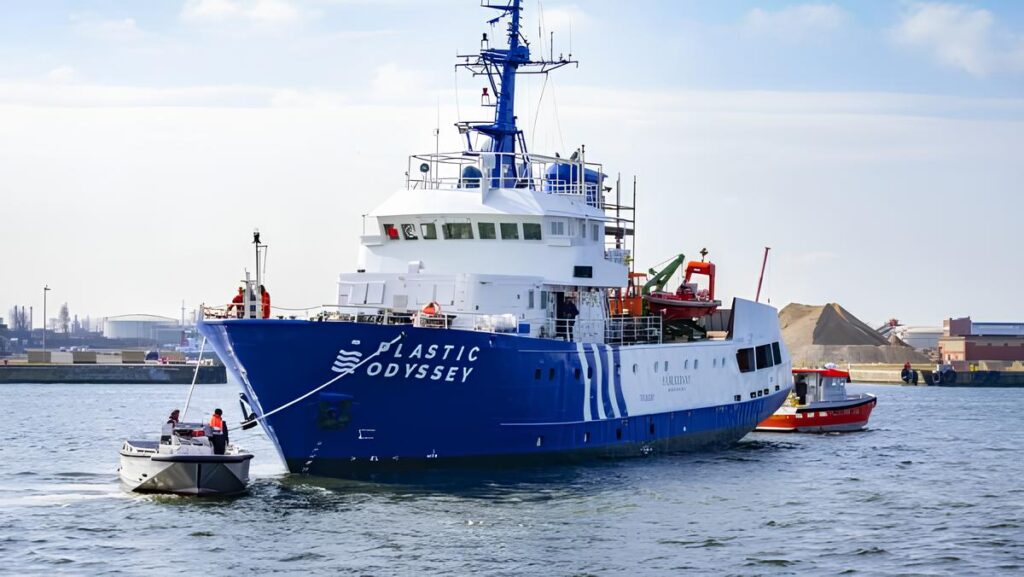
Photo credit: © billow926-Pexels