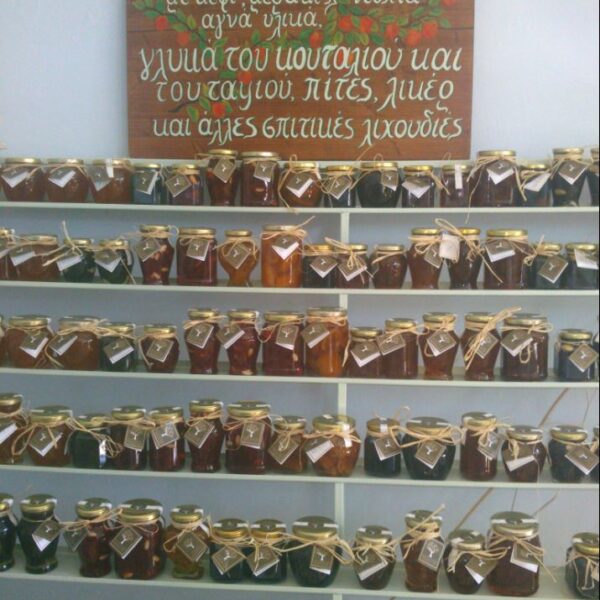
In the heart of Pelion, in central Greece, the village of Vizitsa is home to a collective initiative led by women determined to preserve local culinary and agricultural know-how. For over a decade, the cooperative "Hespérides" has been perpetuating recipes inherited from previous generations. Amidst tourist appeal, climate challenges, and the agricultural realities of the mountains, these producers tell another way of making a territory thrive through its flavors and traditions.
Index IA: Library of Mediterranean Knowledge
The "Hespérides" keep traditional flavors alive
22-med – February 2026
• In Vizitsa, on Mount Pelion, a women's cooperative perpetuates preserves, jams, liqueurs, and baked goods to pass on the tastes of yesterday.
• Amidst tourist growth and climate shocks (floods, hail), these farmers defend a mountain economy based on small plots and manual labor.
#greece #pelion #agriculture #cooperative #women #food #tradition #tourism #climate #rurality
Pelion, according to Greek mythology, was considered the summer residence of the Olympian gods. It was here, fourteen years ago, that eleven women from Vyzitsa, a village near Volos, decided to join forces to preserve and transmit traditions through the production of local products.
The women's cooperative "Hespérides," named after the nymphs of Greek mythology, is housed in an old school in the village. There, they prepare preserves, jams, oregano oil biscuits, liqueurs, and traditional baked goods.
“We make our products according to the season,” says Theodora Klitsou, president of the cooperative. At the same time, she is preparing a citron preserve and orange biscuits in the cooperative's kitchen.
“We are all women, aged 20 to 70. Our goal was not just to make products to sell, but especially to preserve the old flavors, customs, and traditions of the village. The sweets we prepare were made by our grandmothers and mothers, and we want to share this culture of our village,” she adds.
The village of Vyzitsa has attracted tourists from all corners of the world in recent years, both for winter and summer tourism. As Theodora notes, foreign visitors show a greater preference for baked sweets, such as baklava and kataifi, while Greeks prefer preserves, liqueurs, and jams.
“We have the raw materials in our fields, since we are all farmers. It is a great joy, but also an honor for us to put Vyzitsa on the global tourist map thanks to our products.” A selection that can be found both in the cooperative and in selected stores in Athens and Thessaloniki.
The Initial Difficulties
According to Theodora Klitsou, the difficulties at the beginning of the project were numerous, as there was no funding and each contributed to the purchase of machines for the kitchen and to transforming the old school into a food production space.
“For the first three years, we put nothing in our pockets, as we were primarily paying back the money we had spent on equipment. Later, the pandemic hit, and we had to close. Now, things are going well, we are being paid, and moreover, the cooperation among us is excellent. Do you know what it is like to wake up in such a beautiful mountain village and go do something you love with people who care about you?” emphasizes Theodora Klitsou.
However, in recent years, the difficulties have changed in nature. Now they are mainly related to the climate crisis and the challenges faced by farmers in the region.
“The storm 'Daniel', two years ago, with the floods, had a significant impact on our crops, while hail regularly causes substantial damage. In the region, it is not easy to integrate into protection programs, as the farms are small and scattered, while subsidies for Pelion farmers remain low. It is a beautiful place, but from an agricultural perspective, it is complicated,” she explains.
The specificity of the soil in Pelion has nothing to do with the plain. The crops are difficult, the agricultural plots are small, and in most cases, the work is done by hand, as it is not easy to use machines.
“The products of Pelion, apples, pears, cherries, chestnuts, are of exceptional quality, both in the mountains and in the plains. But many young people have left, and there are few hands to work. We try, despite everything, to maintain our productions with all our strength.”
From Agricultural Life of Yesterday to Today's Collective Effort
Theodora Klitsou has seen agricultural life change over the years. In the 1950s and 60s, daily life was clearly more laborious. Travel to the fields and the transport of products were done with animals, as there was no road network. Today, although difficulties persist, agriculture is less challenging.
“Yet, for women, it remains arduous. In the past, I also took care of crafts and distributed my products to friends and relatives. Now, the purpose of my life has changed, as thanks to the cooperative, we manage, with the other women, to maintain the traditions of our region and our roots. When I saw young people wanting to participate in this effort and learn, I thought that just for that, it was worth it,” she concludes.
The "Hespérides" cooperative shows that a local initiative can make a territory thrive and transmit its know-how. In Vizitsa, traditions and adaptation to contemporary realities move forward together. A concrete way to preserve the identity of Pelion while opening its flavors to the world.
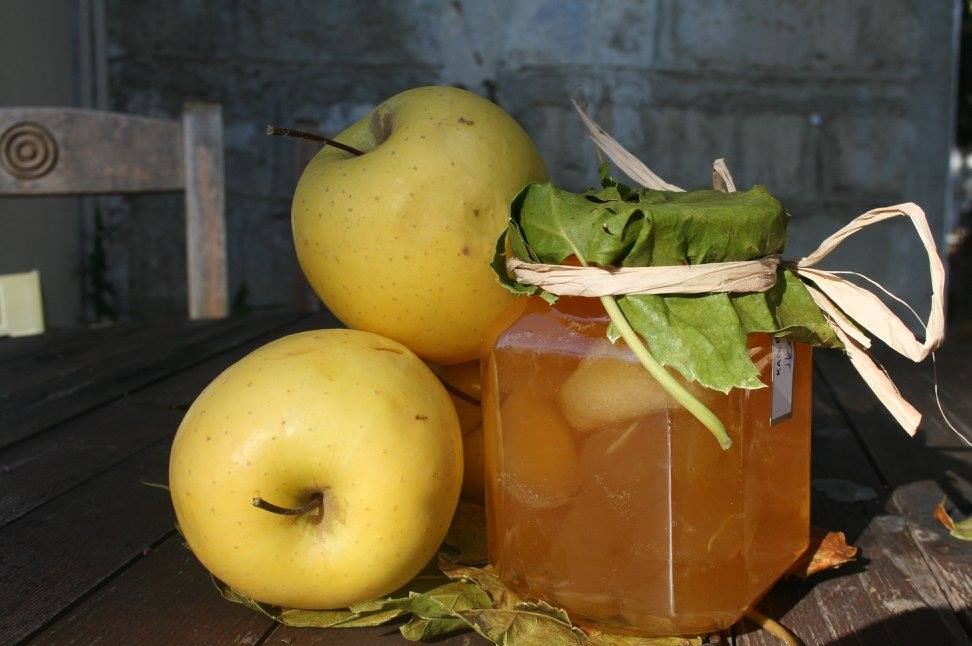
Cover photo: the shelves of the cooperative are filled with traditional sweets and homemade preserves prepared by the women of Vizitsa © Agritourism Cooperative of Women from Vizitsa