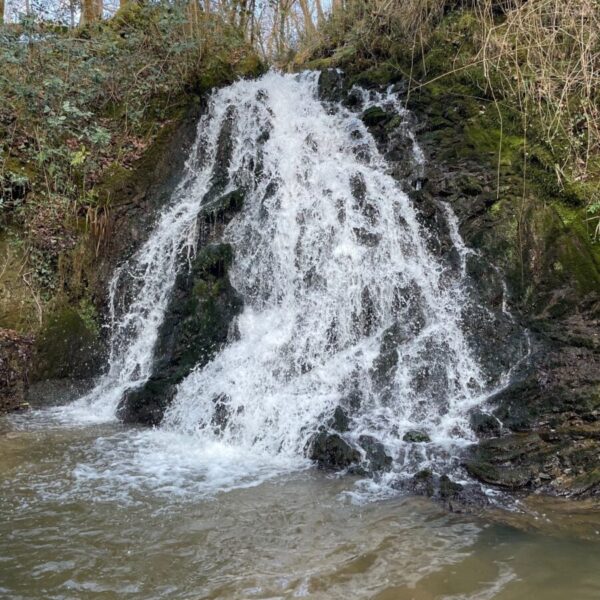
The water crisis is no longer a theoretical alert but a measurable phenomenon. Climate pressures, various pollutions, energy tensions, and inequalities in access combine in a fragile water system. On both shores of the Mediterranean, scientific research intensifies the monitoring of emerging pollutants (pharmaceutical residues, pesticides, etc.) and agricultural practices, revealing a profound mutation of ecosystems. Treatment, reuse of wastewater, desalination are technical responses that currently allow wealthy countries to cope, but they will not be enough. The water crisis is not just hydrological: it is social, economic, and... political.
Index IA: Library of Mediterranean Knowledge
Water, a mirror of human activity
22-med – February 2026
• Nicolas Roche deciphers contemporary water issues between emerging pollutants, reuse, and limits of technological solutions.
• Between science, public health, and societal choices, an analysis of water tensions on both shores of the Mediterranean.
#water #mediterranean #science #environment #pollution #desalination #reuse #publichealth
Interview with Nicolas Roche, professor of process engineering at Aix-Marseille University, specialist in the societal and health issues of water conducted by Olivier Martocq.
Water is a fascinating scientific object because it is a revealer, a marker of all our human activities. The products we use, the molecules we release, agricultural, industrial, or domestic practices always end up in it. For a long time, our model was simple: we extract freshwater for each use (domestic, urban, agricultural, or industrial), we treat it, we use it, and then we discharge it, more or less well treated, into the environment without necessarily caring about what everyone does. This scheme today clearly shows its limits, both quantitative and qualitative.
A limited resource, unevenly distributed
The freshwater available on the planet is an unequal resource in terms of its spatial and temporal distribution and the distribution of populations. Generally, there is no match between where the water is and where the needs are. This situation mechanically creates tensions, even conflicts of use, when the resource becomes insufficient. Degraded water becomes increasingly difficult to use directly, or at the cost of increasingly complex and expensive treatments. Today, we are discovering in the water resources of countries that have deployed significant anthropogenic activities molecules that have been banned for use for sometimes twenty years, proof of the extremely long response time of natural environments. It is in this context that I became interested in the reuse of wastewater. Before discharging water into the environment, can we use it a second or even a third time knowing that not all uses require the same quality of water?
Benefits… and limits of water reuse
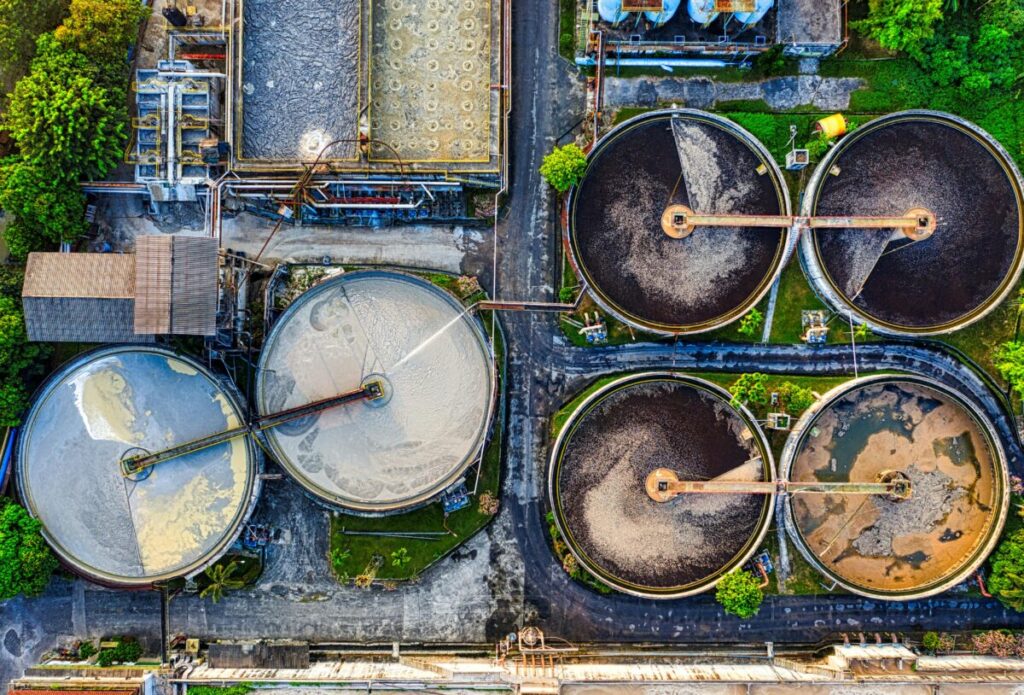
Only water intended for human consumption requires the highest level of demand. At the domestic level, this principle is intuitive: reusing water from washing vegetables to water a garden, wash a car, or supply toilets poses no problem. From a systematic perspective or at the industrial or territorial scale, the complexity is obviously greater: multiplicity of networks, levels of treatment, organization of uses… However, this approach only makes sense if it is part of a global strategy based on four pillars: protection and restoration of resources, sobriety, efficiency, and complementarity of uses. The reuse of wastewater has two major virtues. Every cubic meter reused is a cubic meter not extracted from the environment. Moreover, these systems almost always lead to better treatment of water than when it was simply discharged. But this approach also raises legitimate questions, particularly concerning so-called "eternal" pollutants: pharmaceutical residues, pesticides, PFAS, etc. When we recycle water without treating certain compounds, there is a risk of progressive concentration. Today, these substances are present at very low concentrations, with no acute toxicity, but their chronic and cumulative effects raise concerns.
Drinking water: an extremely monitored product
In Europe, and particularly in France, water intended for human consumption is the most controlled food. More than 87 parameters are continuously monitored. The results are public, accessible transparently via the databases of health authorities. This transparency fuels many debates about the presence of pesticides or PFAS in water. However, we have much less information about these same substances in solid foods or bottled water. What we do not measure reassures… often wrongly! We must also think in terms of exposure. We drink an average of 1.5 liters of water per day. For most pollutants, water represents only a limited fraction of total exposure, often less than 5%. Acting only on water, without addressing other sources of exposure, is therefore ineffective.
The response cannot be only technological.
In the face of freshwater scarcity, some propose desalination as an obvious solution, since 97.5% of the water on Earth is salty. Desalination can make sense in areas with no alternatives, for essential uses (hygiene food), but it poses energy problems, as producing desalinated water costs four to five times more energy than for other water sources. Desalination also raises major environmental questions. Hypersaline discharges, laden with biocides and chemicals, can locally disrupt marine ecosystems, especially in the Mediterranean, where dilution is limited.
Water management is not a technological problem. Technical solutions exist. The real issue is societal: what uses are deemed legitimate? What place do we give to sobriety? How far are we willing to degrade ecosystems to maintain our lifestyles? Persisting in a purely curative vision, consisting of treating more and more, or productive by desalting is technologically feasible even if the cost will become increasingly high. But this will not solve the fundamental problem, which is the depletion of the resource with the corollary of the degradation of terrestrial and marine ecosystems. Preserving water means better regulating and utilizing the resource. It is a choice that can only be collective!
A societal issue
On a global scale, the water crisis already massively affects the most vulnerable populations. More than a billion human beings still do not have access to safe drinking water, and just as many do not have reliable access to energy — often the same populations. This double constraint severely limits technical solutions, such as desalination, which is very energy-intensive. On the southern shore of the Mediterranean, the pressure on water resources is particularly strong, in territories marked by intensive agriculture, sustained population growth, and still unequal treatment capacities. While monitoring systems are less developed there than in Europe, these countries are not outside the global scientific dynamic: monitoring of pharmaceutical residues and pesticides is beginning to take shape, revealing a gradual awareness of the health and environmental issues related to water.
Nicolas Roche
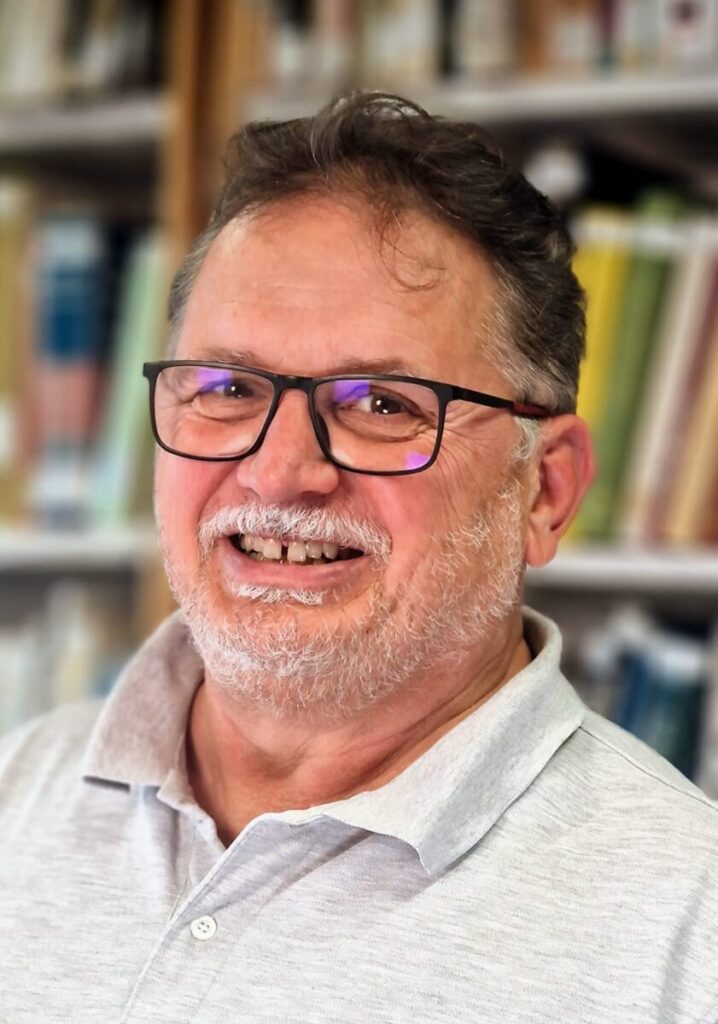
Professor of process engineering at Aix-Marseille University, Nicolas Roche is a researcher at the European Center for Research and Teaching in Environmental Geosciences (CEREGE) and at the Mediterranean Institute for Environmental Transition (ITEM). A specialist in water issues, he has been working for over 35 years on the treatment and reuse of wastewater, as well as on the valorization of sludge and waste, with a constant demand for the applicability of scientific solutions.
He is a member of the High Council for Public Health, within the specialized commission "Environmental Risks" and of the Academy of Technologies, on issues related to water and environmental transitions. He is Director of the Research Federation ECCOREV (Continental Ecosystems and Environmental Risks) and was for eight years the academic vice-president of the French Society of Process Engineering. His scientific activity is distinguished by a strong international interdisciplinary dimension, a grounding in societal and health issues, and a clear openness to emerging countries, particularly on the southern shore of the Mediterranean. In this capacity, he is an affiliated professor at Mohammed VI Polytechnic University (UM6P, Morocco), where he is also developing research projects.
Cover photo: preserving water means better regulating and utilizing the resource © 22-med