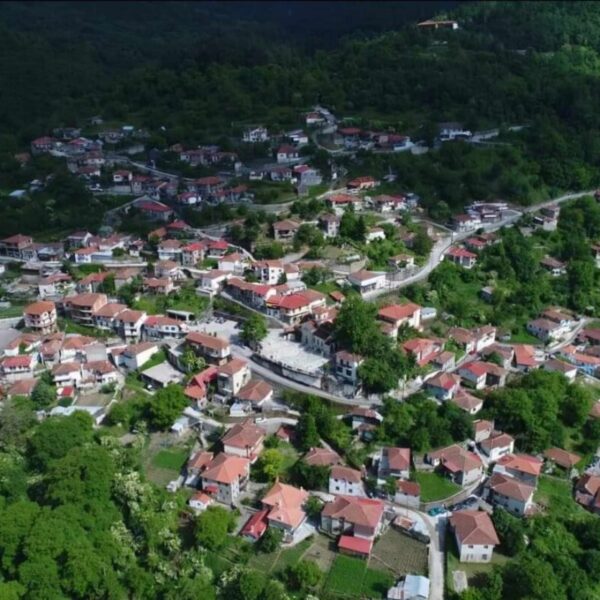
In response to rural depopulation, citizen initiatives are emerging in Greece, Spain, and Morocco to revive struggling villages. Whether it’s about attracting new residents, supporting families in their settlement, or providing local training for sustainable jobs, they outline concrete and replicable solutions, far from widespread abandonment.
This article on rurality is a summary of 3 articles published in 22-med, available in the 11 languages used on the site.
Schoolchildren, an antidote to rural desertification: Kelly Fanarioti - Greece
Changing life and repopulating rural areas: Jorge Dobner & Cristina Grao - Spain
The NGO Amal Biladi wants to revitalize villages in the rural world: Adèle Arusi - Morocco
In a context where rural exodus is accelerating, local actors are reinventing the countryside through projects of welcome, training, or rehabilitation. Their goal: to give a future to deserted territories, focusing on human connection and mutual aid. These initiatives, although modest in scale, reflect a change in perspective on areas long considered peripheral.
“We are forming a community here”
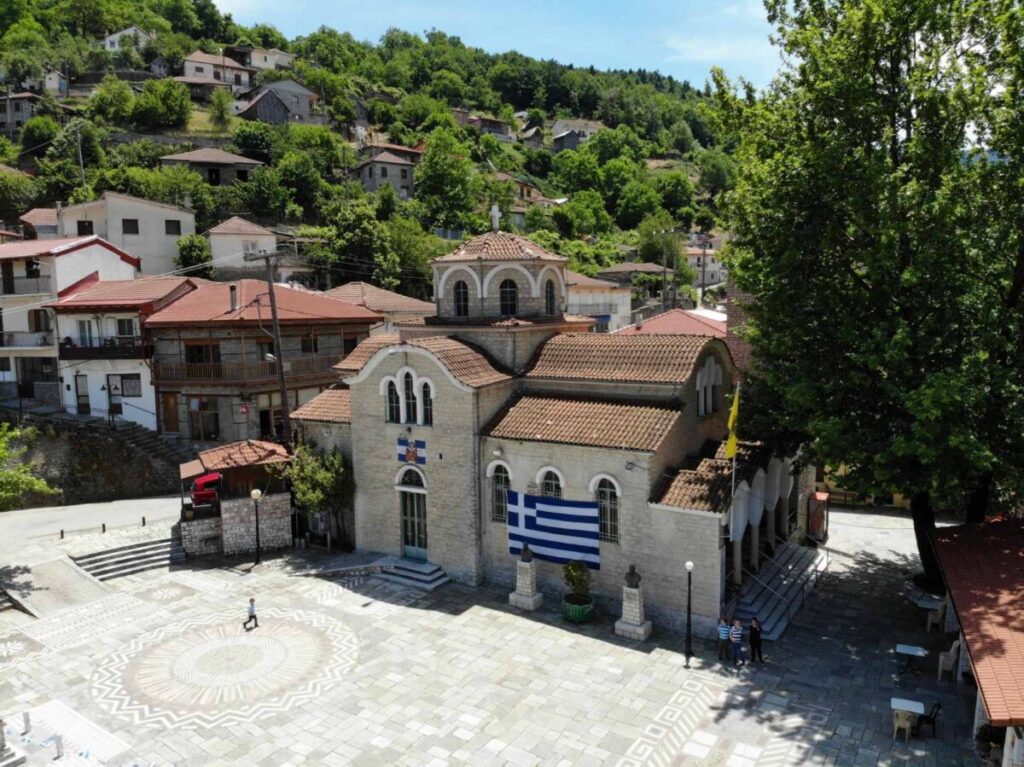
In Fourna, a remote village in Eurytania, central Greece, the primary school had only two students, and the kindergarten did not open for the school year. To prevent permanent closure, a teacher and a priest launched a call on Facebook: free housing for a year, job support, and assistance for two families willing to settle. More than a thousand applications poured in.
Two families were selected, including that of Vassiliki, a mother of six. The number of students has quadrupled, and the kindergarten will reopen next year. Her husband joined the forestry cooperative, and she plans to reopen the bakery that has been closed for 25 years. “My eldest son told me: ‘Mom, finally I live’.” In Fourna, they found a village life made of strong bonds: “There is kindness, attention, and solidarity among the residents.”
The dynamic initiated goes beyond just the school issue. “With the women of the village, we have become so close that I feel like I have known them for years,” Vassiliki confides. The rapid integration of families shows that, despite the challenges, the countryside can become places of projects again, not just declining territories.
Settlement, a supported process
In Spain, there is a structure that organizes the transition: Proyecto Arraigo. Established in 2016, it helps city dwellers wishing to settle in the countryside find a village and integrate sustainably. Deployed in 15 provinces, it has supported over 600 families in 300 villages.
Success relies on a human presence on the ground. Technicians, familiar with local realities, assist families and create connections with elected officials and residents. They act as mediators, ensuring that the expectations of newcomers align with the realities of the villages. However, there are many obstacles: vacant housing not available for rent, lack of infrastructure, and sometimes unrealistic expectations. “People do not go to these villages to face problems. We work to help them put down roots,” insists the director.
Arraigo does not just connect applicants and territories: it anticipates the barriers to rooting by working with municipalities on housing renovation or reactivating essential services. Its actions are designed for the long term, far from mere announcements.
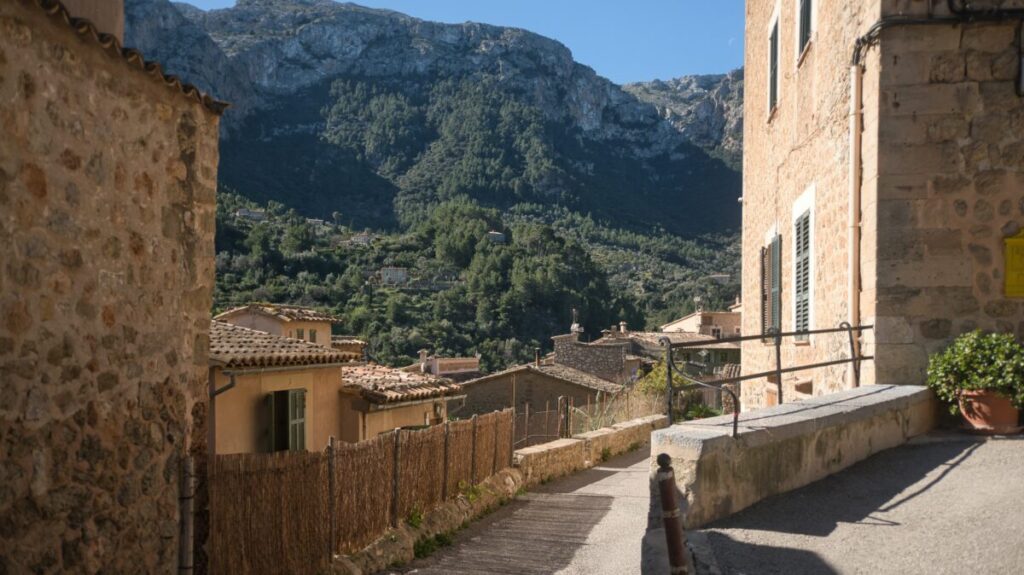
From the city to the flock, a life change
Among the trajectories supported by Arraigo, that of José Luis illustrates this shift. Thirty-two years old, a former urbanite from Madrid, he settled with his wife and child in Palencia. After a job in a hotel, he became a shepherd. “I had no experience with sheep, but the farmer gave me a chance. And I love it!”
For him, the biggest change is human: “There are a series of values that have been lost in the cities. We find them here.” His son, raised in this environment, learns to “care for people and nature.” An education rooted in a territory.
His testimony illustrates another form of rooting: through learning a new profession, linked to local resources. Pastoralism, like other rural know-how, becomes a vector of integration and transmission. “What I experience here, I could never have imagined in Madrid,” José Luis adds.
Training and rebuilding at the heart of villages
In Morocco, the approach involves training and entrepreneurship. Amal Biladi, an NGO founded in 2020 by Elmahdi Benabdeljalil, supports the development of villages through a Rural Academy of Excellence. Eco-tourism, agro-ecology, handicrafts, the projects aim to generate income for youth and women, outside the model of assistance. “The idea was to move away from expressions like ‘useless Morocco’ or ‘forgotten’,” explains the founder.
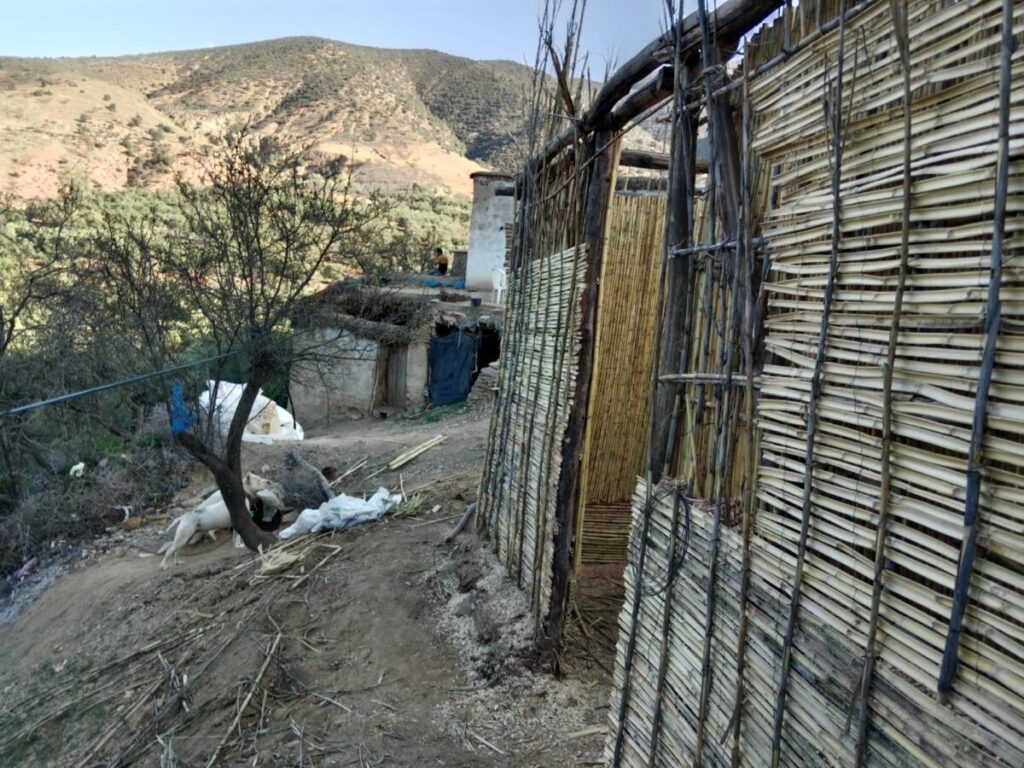
The 2023 earthquake changed priorities. The NGO mobilized in the affected areas: psychological support, access to drinking water, ecological temporary housing. Fifty noualas were built, housing 250 people. A low-tech model based on local materials, replicable elsewhere.
The nouala, an ecological house inspired by vernacular traditions, fully aligns with the vision of Amal Biladi: to combine resilience and local autonomy. The NGO aims to double the number, while continuing to build a community center and set up a mobile hospital.
The actions taken in the south are now impacting the north of the country. In 2025, certified training in eco-construction is planned, with the ambition of creating genuine local centers of expertise. A first guesthouse, combining sustainable tourism and solidarity economy, is planned in the Tangier region.
Territories in search of futures
Whether it’s about reviving a Greek school, settling new shepherds in Spain, or building community centers in Morocco, these actions show that rural revitalization comes through adapted and embodied projects. Beyond the figures of depopulation, it is human trajectories, life choices, and local convictions that breathe life back into the countryside. These experiences do not claim to solve everything, but they prove that rurality can still be a space of initiatives and future, if it is supported, thought out, and collectively invested in.
Cover photo: The village of Fourna in central Greece © Giota Diamanti
Indexing: Library of Mediterranean Knowledge
Rebirth in the village: giving life back to deserted countryside
Kelly Fanarioti – Jorge Dobner & Cristina Grao – Adèle Arusi
22-med
August 5, 2025
• In Greece, a mountain village is fighting against the closure of its school by attracting new families with housing and jobs on offer.
• In Spain, the Arraigo project supports city dwellers and families in their rural settlement, focusing on sustainability and local integration.
• In Morocco, the NGO Amal Biladi revitalizes territories through training in eco-construction, entrepreneurship, and temporary housing post-earthquake.
• From the reopened school to the planned guesthouse, these territories are building their future through mutual aid, transmission, and local anchoring.
• These citizen and solidarity initiatives sketch a possible revitalization of the rural world, on a human scale and replicable.
Fourna (Greece) – Palencia, Soria (Spain) – Al Haouz, Tangier, Larache (Morocco)
Giota Diamantí, Vassiliki Emmanouil, Enrique Collada, José Luis G., Elmahdi Benabdeljalil
#rurality, #revitalization, #training, #ruralexodus, #solidarity, #ecoconstruction, #agroecology, #mediterranean, #depopulation, #territories