How to continue cultivating when resources are running out, land is scarce, or electricity becomes a luxury? In the face of these challenges, local initiatives are radically rethinking our relationship with agriculture. Less dependence on fossil fuels, more autonomy, better resilience: the future of production is being reinvented, outside of dominant circuits.
This article, about agriculture, is a summary of 3 articles published in 22-med, available in the 11 languages used on the site. It will be followed by a second part dedicated to resource management in agriculture in the face of climate change.
Hydroponic agriculture greens the roofs of the camps: by Monjed Jadou
Solar panels boost sustainable agriculture: by Rajmonda Basha
Morocco, future world leader in medical cannabis?: by Adèle Arusi
Agriculture is no longer just a matter of fields and tractors. It is becoming a field of experimentation to address the social, economic, and climate challenges of the present. It is not always the large farms or institutions that show the way, but grassroots actors – often invisible, sometimes marginalized – who find solutions where everything seems stagnant. An overview of practices that give new meaning to the word "cultivate".
Stacks of lettuce and fish under the tomatoes
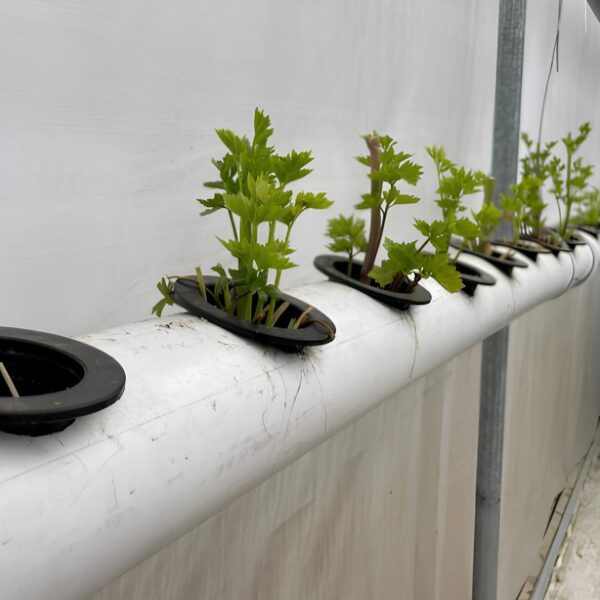
In the narrow alleys of Palestinian camps, the horizon is reduced to concrete facades and a sky that is often invisible. Yet, it is here, just a few meters above the ground, that hope is reborn: the hope of cultivating without soil, but with conviction. Shatha Alazzah, an activist and urban farmer, has turned rooftops into a new ecological and social battleground. In Beit Jibrin, Aida, or Al-Azza, her suspended greenhouses provide women with the means to act, produce, sell, and most importantly, transmit knowledge.
In a saturated space, where every square meter is contested, hydroponic agriculture has become an obvious choice. It consumes little water, produces more than traditional methods, and adapts perfectly to verticality. On 45 m² of rooftop, twenty cultivation towers house lettuce, basil, and parsley. Sensors constantly monitor temperature, pH, and nutrients. In deeper containers, cabbages and tomatoes thrive in water.
Even better: the Riyhana cooperative, founded by Shatha, combines aquaponics and vermicomposting. Fish waste becomes fertilizer, and worms transform manure into organic compost. The result: an almost closed, sustainable, and resilient loop. "It is also a way to pass on agricultural know-how to women, to strengthen their autonomy, and to utilize previously underused land," she explains.
Sunshine to illuminate the fields
A thousand kilometers away, another form of innovation is emerging in the Albanian countryside. In a country where more than a third of the population works the land, energy costs hinder any modernization. The "Green Routes" program, supported by the European Union and France, installs solar panels in rural farms. Less spending, more yield, and a welcome energy independence in a capricious electrical grid.
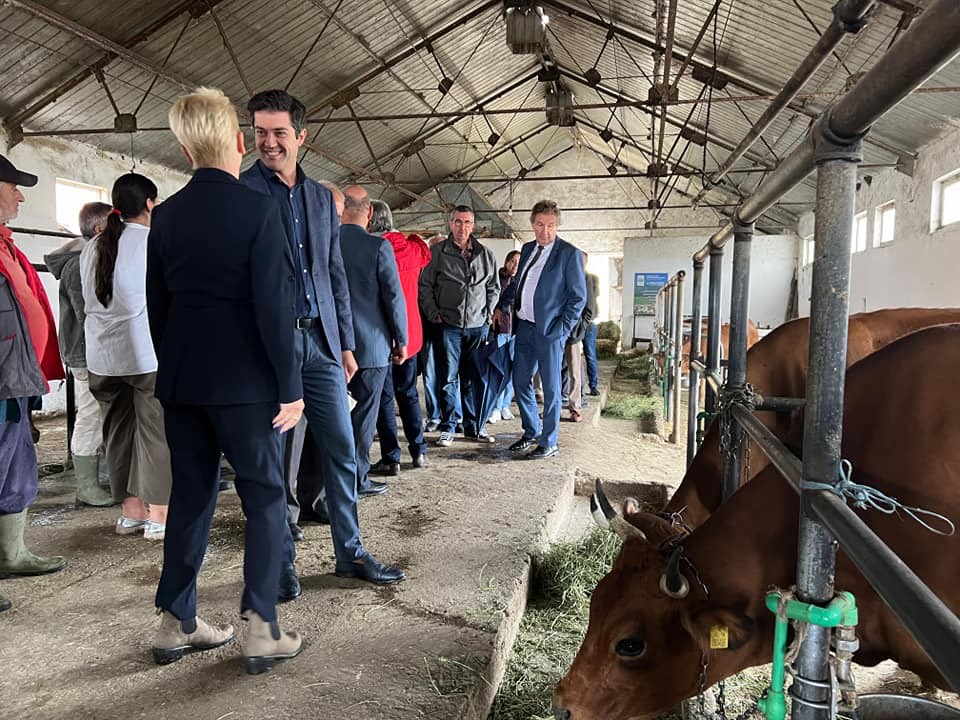
In Libohovë, the installations already allow for cooling collected milk, powering greenhouses, and running irrigation systems. In Korçë, domestic biogas units convert animal waste into energy, a low-cost solution for small farms. And in the pastures, sheep graze under photovoltaic panels: they regulate temperature and reduce watering needs while protecting themselves from the sun.
An integrated approach, promoted by technical training in schools and universities, which is evolving practices in the long term. "These are small investments, but they profoundly change the lives of farmers," summarizes Vigan Dervishi from the program. Halim, a farmer in Fier, confirms: "With the panels, our production has increased. And our neighbors are getting on board too."
The boon of therapeutic cannabis
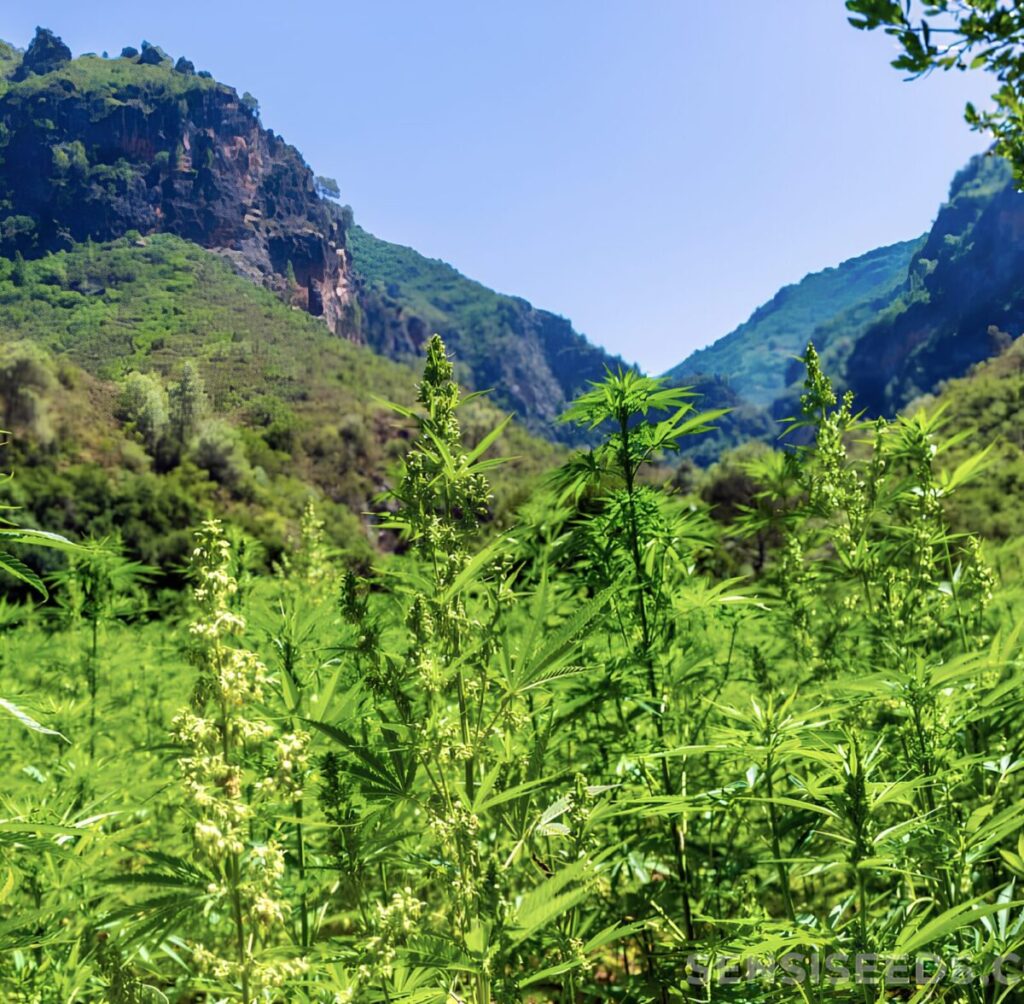
In the Moroccan Rif, another landscape, another battle. Long associated with clandestinity, cannabis cultivation is now opening up to legal markets. Since 2021, production for medical and industrial use has been authorized. In 2023, nearly 300 tons of hemp were harvested within the legal framework. A first that is shaking up the local economy.
On the heights, cooperatives are multiplying. Some families are investing in agricultural studies, returning to modernize their farms. The state promises a fairer share of revenues to legal growers – three times more than before. And the "beldi," the endemic variety, which is less water-intensive and lower in THC, is returning to the center of research programs. The goal: to make Morocco a major player in therapeutic cannabis.
The Takwine project trains doctors and pharmacists in the medical use of the plant. The ambition is clear: to structure a safe, regulated market that respects local specificities. But the balance remains fragile: while the legal sector is organizing, recreational use is also progressing. Two worlds that, for now, coexist.
Three open-air laboratories
Palestinian hydroponics, Albanian solar, Moroccan cannabis: each of these examples shows a shared desire to regain control over life. In the face of shortages, precariousness, and marginalization, it is less about innovating than about reinventing. Starting from the ground up, relying on women, local resources, and reactivated ancient know-how.
Featured Photo: plants grow in tubes inside a greenhouse set up in a Palestinian refugee camp © Monjed Jadou