Facing a persistent crisis of electricity and waste, a project by Saint Joseph University of Beirut around methanization could transform organic waste into a valuable resource. This innovative project aims to revitalize the energy, waste, and agriculture sectors in Lebanon.
This article follows the one published last week on 22-med: [Lebanese trash fuels a parallel economy](https://www.22-med.com/les-dechets-des-poubelles-libanaises-alimentent-une-economie-parallele/))**
Methanization? It is a natural biological process of degradation of animal or vegetable organic matter in the absence of oxygen (anaerobic digestion), thanks to the action of multiple microorganisms. It occurs naturally in certain environments such as marshes or can be voluntarily implemented in dedicated facilities. Methanization produces two types of components: a biogas called biomethane which can meet industrial (heat), domestic (heating, hot water, cooking) or fuel (BioGNV) needs. And digestate, an organic residue that can be used as fertilizer, replacing nitrogenous mineral fertilizers, or as organic, promoting the restructuring of humus and soil enrichment.
Underutilized Lebanese waste
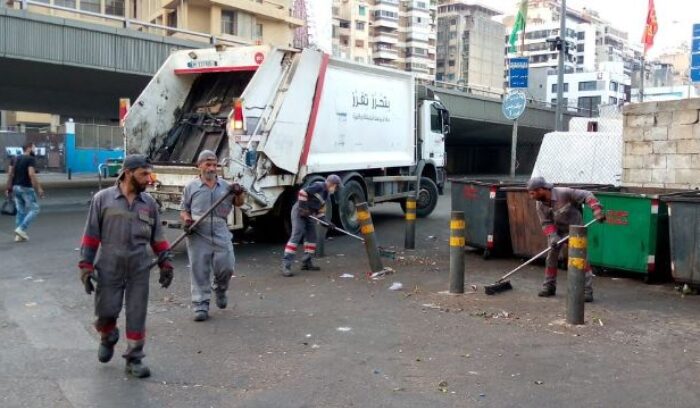
Since its explosion in 2015, the waste crisis looms as a constant threat over Lebanon. This is due to the poor management of the issue by the competent authorities. Huge garbage bins litter the streets and the Lebanese throw their waste in them without any sorting. A subcontracting company then takes care of taking them to open-air landfills. While the recyclable portion of the waste offers an economical solution for the most deprived, the majority of organic waste holds equally promising prospects.
"It is crucial that the population reduces, recycles, and reuses its waste," insists Zeina Hobaika, head of the Department of Life and Earth Sciences - biochemistry at the Faculty of Sciences of Saint Joseph University of Beirut (USJ) and a researcher in the field of waste-to-energy conversion. "The majority of waste in Lebanon is organic, 80% according to studies, therefore rich in water. Methanation is one of the main solutions to the waste management problem, it should be part of a state action plan," she argues.
The electricity crisis
In addition to offering a solution to the waste problem, this methanization also addresses a completely different issue for the Lebanese: electricity. While Beirut is supplied with electricity 24/7 by the subcontractor of the state, Electricité du Liban, the rest of the country survives with only two hours of electricity per day provided by the state. Sometimes even none. This situation has been going on for over two decades. Lebanese people have therefore turned to private neighborhood generators, which form a real energy mafia.
According to the scientist, what makes the methanation solution interesting is the fact that it addresses three of the most problematic sectors in Lebanon: waste, energy, and agriculture.
Research started in 2013
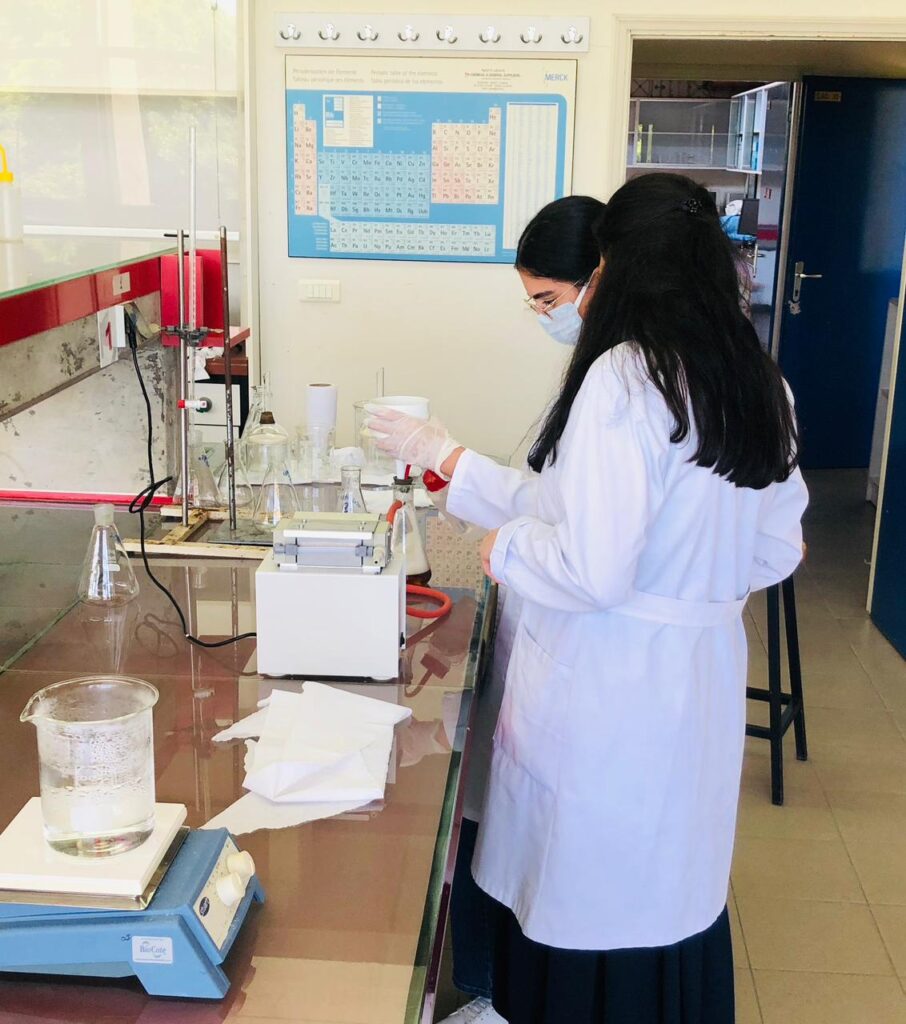
A project funded by the Faculty of Sciences at USJ, the Lebanese National Council for Scientific Research, and the Brittany Region focused on studying methanization techniques on various wastes from the Lebanese industry. "We started studies on methanization with grape marc in 2013, which proved to be very promising," added the project's lead researcher. "We also developed and optimized the methanization of olive and coffee marc, as well as waste from potatoes, dairy, and poultry industries. These are the most active sectors of the agri-food industry in Lebanon." The wastes are inoculated with bacteria from cow dung raised in the region and will be digested by these microorganisms, which will produce methane and digestate. This initiative allows farmers to use fewer fertilizers, thus keeping chemical products away from our plates and groundwater.
In 2018, the idea was to create a methanation center in the Bekaa Valley, the main industrial region of Lebanon, where all waste would be centralized to provide, fairly, free electricity to all industrialists. "A feasibility study had been initiated, but the project was suspended due to the crises," the professor adds.
A circular economy project beneficial in several ways
"More than just a scientific research, it is a bridge between the three main actors of Lebanon, society, industry, and scientific research. Hence its importance as a provider of solutions to a major crisis," emphasizes Richard Maroun, Vice-Rector for Research at USJ and partner of the project.
The researchers had several contacts with different industrialists, but the country's economic situation did not make the implementation of their projects easy. Despite these challenges, they do not give up and are determined to achieve their goals, thanks to new serious leads. Because this very promising circular economy project offers solutions to several Lebanese sectors: environmental, health, industrial, agricultural, energy, and subsequently economic. The implementation of such initiatives is at the heart of the recovery of the country of Lebanon.