Only 25% of the surface of the Oceans has been mapped to date. At the end of the summer of 2023, the French research institute Ifremer launched "Ocean Spies," a platform for citizen science. Based on volunteering, citizens analyze photos of the seabed to identify the biodiversity present. A helping hand that saves scientists a lot of time.
What life is hidden in the depths of the oceans? The question excites many scientists. To find out, they set up "observatories" on both sides of the oceans made up of instruments collecting data. Especially cameras that capture the daily lives of species for several minutes a day. "We collect hours of videos, but we lack human resources to analyze them. Hence the idea of asking for help from citizens," explains Catherine Borremans, imaging biologist engineer at Ifremer and coordinator of the application Ocean Spies. Everyone is invited to connect to this platform to inspect the famous images and identify the fauna present.
Become an Ocean Spy
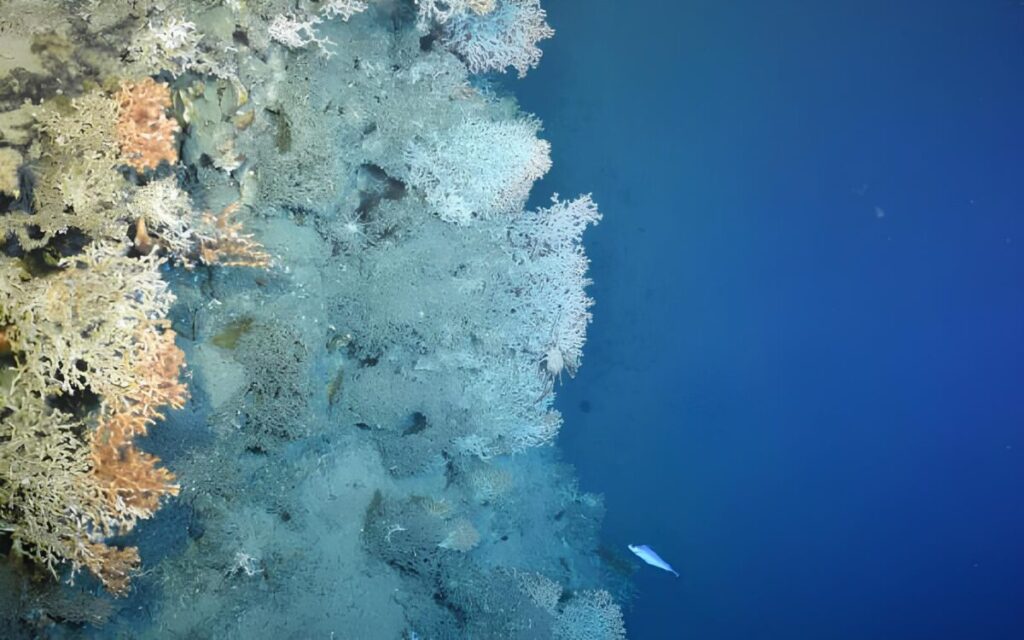
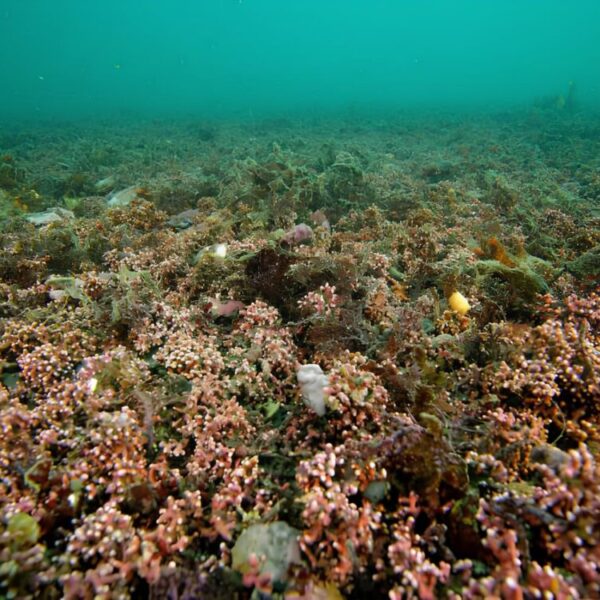
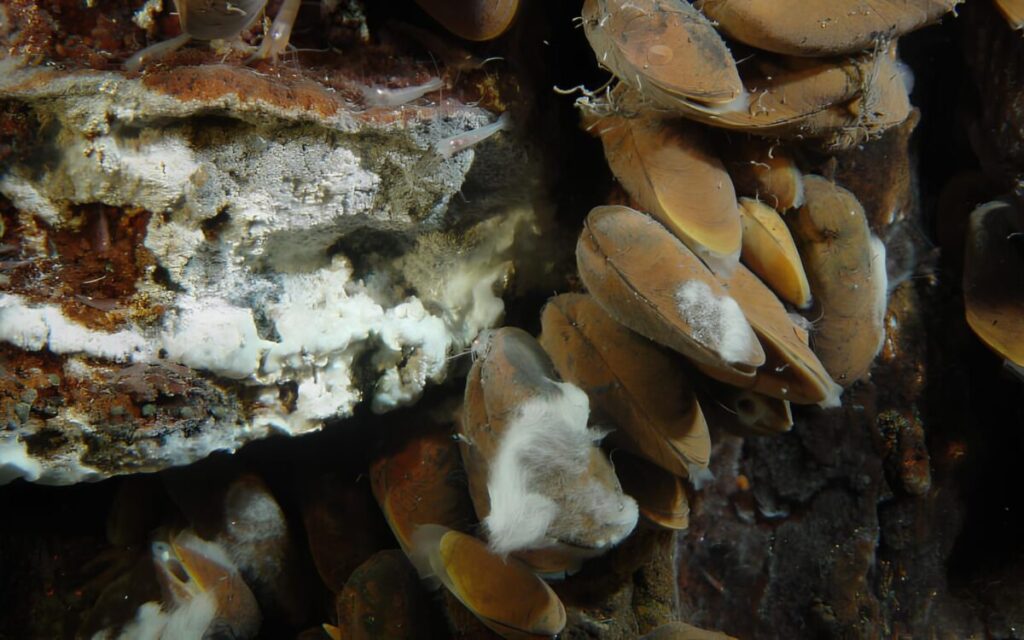
To put yourself in the shoes of the scientists, nothing could be simpler. First, you need to create an account on the platform. Then choose, among three ecosystems, the one you want to explore: the cold-water coral reefs of the Lampaul Canyon 300 km off the coast of Brittany, the seabed of Brest harbor, or the geysers located more than 1700 m deep off the Azores. Because, of course, the species vary from one site to another. Lists and photos guide the users, knowing that it is possible to find nothing on some images.
The volunteers have the full trust of the scientists. "The goal is to try to identify everything that is present, without looking for things where there are none. What we ask to annotate is within everyone's reach, it's not complicated," reassures the coordinator of Ocean Spies. The only requirement is for the budding observers to use a computer or tablet. "The platform is suitable for viewing on a smartphone, but the screen is too small for annotation," she points out.
Very useful data
The goal of Ocean Spies is to relieve the work of scientists, so the annotations of volunteers are not verified. However, to ensure obtaining quality data, the same image is submitted to several different users. The observations are then compared using statistical methods, which show researchers what stands out the most in the pictures and if there are many omissions.
This data proves to be very useful in the pursuit of their work. "We obtain information about the presence and distribution of species, their evolution over time, how they interact, reproduce... This allows us to improve our knowledge of the biodiversity of ecosystems," says Catherine Borremans. It is thus possible to assess the situation of each of the observed sites.
Nearly 23,000 annotated images
This is not the first time that Ifremer has called on citizens. In 2016, researchers had already enlisted volunteers to scrutinize life in the great depths of the Pacific and Atlantic oceans. "More than 1,500 users participated in this initiative and annotated over 50,000 images. Without their help, analyzing this volume of images would have taken nearly 78 days of uninterrupted work for the scientists," emphasizes Catherine Borremans.
To date, more than 4200 people have contributed to the study and helped annotate nearly 23,000 images. The images are grouped into batches, which are replaced as soon as they have been sufficiently annotated. But the stock is far from being depleted. "We are far from having analyzed everything, as we acquire images continuously throughout the year," she explains. That is why Ifremer encourages users to dedicate themselves to it, if possible, regularly and over the long term. Because, with enough observation, the eye becomes accustomed and more skilled. Active scrutineers are also "rewarded": they are granted access to more complex photos. But thanks to the experience gained, this remains within their capabilities, reassures the researcher.
Knowing well to better protect
In parallel, these data are used to train algorithms to recognize underwater species. Because the goal is to eventually automate this spotting task through artificial intelligence. "However, we will always need humans to verify the work of the machines. Nevertheless, they will save us time," says Catherine Borremans. Since only 25% of the seabed has been mapped so far, all tools to speed up the process are welcome.
"Oceans Spies" also serves to raise public awareness. "We provide them with real images of places they will never have access to. This allows everyone to discover them, to make them aware that there is life and that it needs to be protected," points out the coordinator. As the famous Captain Jacques-Yves Cousteau said: "We protect what we love, and we love what we know."