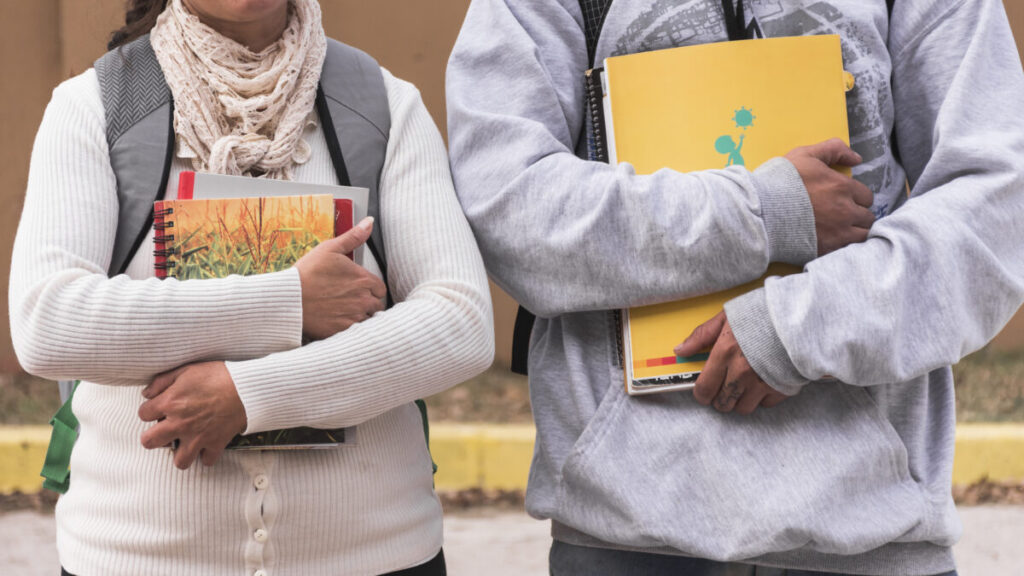
Access to education is a fundamental human right, but for many refugees, it remains a distant dream. In fact, only 5% of them have access to university. This is a reality that the project University Corridors for Refugees (Unicore) aims to change by offering young refugees the opportunity to obtain visas to study in third countries, including Italy. So far, 40 Italian universities have joined, allowing 142 refugee students to continue their studies in the country.
"It is a project launched in 2019 and coordinated by the UNHCR (United Nations High Commissioner for Refugees) agency," explains Alessandra Carucci, the internationalization rector of the University of Cagliari, who has been involved in the initiative for 5 years. "The aim is to select undergraduate graduate students, refugees in another country, to allow them to study in Italy for a master's degree, with a regular study visa." The students come from Ethiopia, Niger, Nigeria, Malawi, Mozambique, South Africa, Zambia, and Zimbabwe.
Marco Catarci, full professor of Intercultural Education at the University Roma Tre and rector, mentions the impact of Unicore: "It is also a crucial element to allow in our countries a coexistence based on irrevocable principles such as democracy, pluralism, and social justice". He adds: "The project offers refugee students the opportunity to arrive in Italy safely to continue their studies, rebuild their future, and pursue a profession in line with their potential and desires." Among the benefits included in this program are services such as accommodation, meals, expenses related to the residence permit for studying in Italy, legal and psychological support, and school supplies such as laptops and books.
The situation of refugee education is dramatic. "According to the United Nations High Commissioner for Refugees (UNHCR), only 68% of refugee children attend primary school, and 34% attend secondary school. When it comes to higher education, the percentage drops to 5%," Catarci reports. However, there is a glimmer of hope. The 1951 Geneva Convention states that refugees should receive the same treatment as citizens regarding primary education. For higher education, concerning admission to studies, recognition of diplomas, and scholarships, refugees should receive the best possible treatment, at least equal to that reserved for other foreigners.
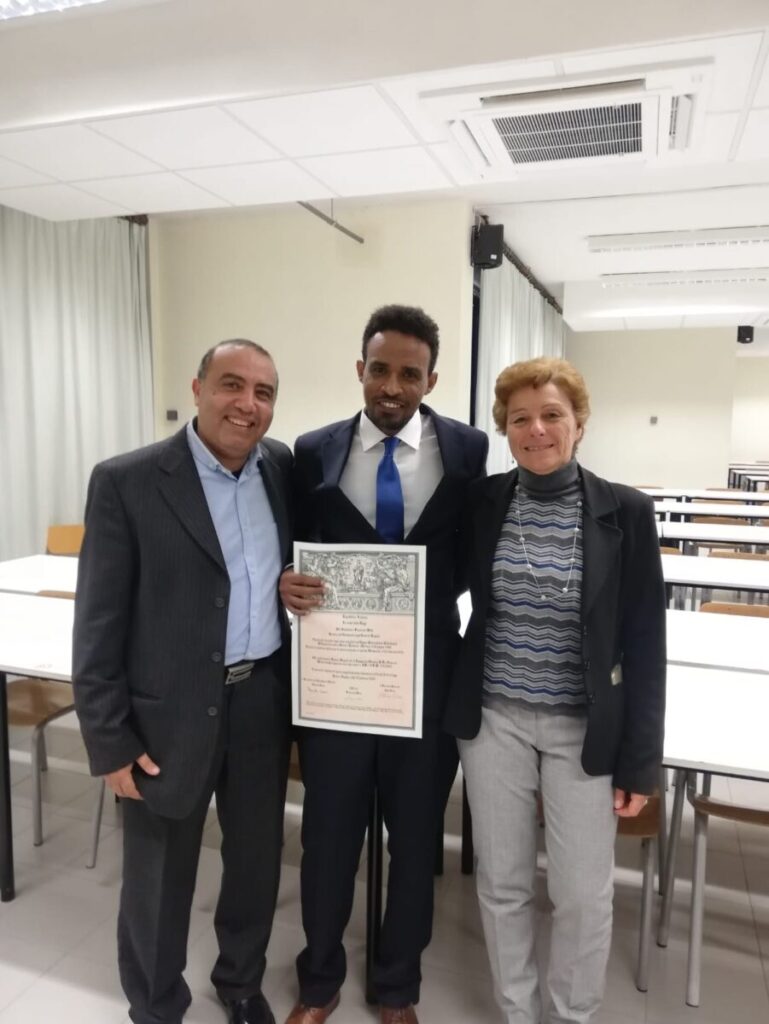
University corridors are part of the UNHCR's strategy "Refugee Education 2030: A Strategy for Refugee Inclusion" which aims to promote conditions, partnerships, and collaborations ensuring young refugees access quality, inclusive, and equitable education. This includes at the university level, in line with the objectives of the Global Compact on Refugees, for more sustainable international cooperation.
The DAFI program, managed by UNHCR, is another example of the effort to improve access to higher education for refugees. According to the 2022 report for the 30th anniversary of the DAFI program, the refugee enrollment rate in higher education reached 7% globally in 2023. Last year, scholarships were awarded in 56 countries to over 9,000 refugee students, an increase of nearly 1,000 students compared to the previous year. In 2022, 43% of the scholarship recipients were women, the highest percentage ever recorded.
"We are at the sixth edition, and it's a project we have been part of for five years," explains Alessandra Carucci. She highlights the growth of the project: "At the time of selection, we only had the University of Cagliari and 50 applications to choose from. Participation in this project has expanded to many other universities. The first edition was piloted at the University of Bologna, and we joined from the second edition."
More and more Italian universities are joining the project, such as Rome Tre, where the program will be launched this year. The vice-rector announced: "The University Roma Tre received 45 applications this year, mainly from male candidates." In this regard, to ensure gender equality, the University of Cagliari has stipulated that "in the presence of suitable applications, both positions must be assigned to one man and one woman. So we establish two separate ranking lists," concluded the vice-rector of Cagliari.
The DAFI scholarship program (German acronym for "German Academic Initiative Albert Einstein for Refugees") is dependent on the UNHCR and is one of the five pillars of the strategy aiming to achieve a 15% enrollment rate of young male and female refugees in higher education.